Piracetam
also Nootropil · 2-Oxo-1-pyrrolidineacetamide · Normabrain
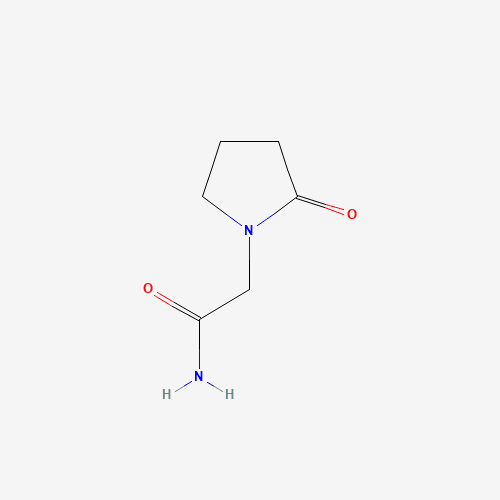
Piracetam is the original "nootropic". C. Giurgea developed it in the late 1960s and coined the word to describe it [1]. It is licensed in several countries for cognitive disorders, vertigo and cortical myoclonus [2]. The evidence is mixed. An older meta-analysis found a global benefit in older adults with cognitive impairment [3], but a 2024 meta-analysis could not confirm an effect on memory [4].
Historically important and very well tolerated, but the case for memory benefit is weaker than its reputation, and for healthy people it is largely untested.
- meta-analysis
- RCT
- trial
- observational
- preclinical / case
- review / patent / other
- retracted
- + The founding compound of the racetam family
- + Unusually clean tolerability, even at high doses
- + Licensed medicine in several countries
- − Recent meta-analysis found no clear memory effect
- − Little evidence in healthy, unimpaired people
- − Mechanism still not established
Overview
Piracetam is a cyclic derivative of GABA. It is the first member of the pyrrolidone family, a class that later produced the antiepileptic levetiracetam [1]. What originally set the class apart was cognitive activity without the sedation, analgesia or behavioural changes of other psychoactive drug classes [1].
Its licensed uses are cognitive disorders and dementia, vertigo, cortical myoclonus, dyslexia and sickle cell anaemia [2]. In the nootropics community it is usually the first racetam people try, and it is often combined with a choline source such as Citicoline or alpha-GPC.
Mechanism
How piracetam works has never been pinned down. The review literature says the mechanism is not fully established, and that different pyrrolidones may act in different ways [1]. The leading explanation is restoration of cell membrane fluidity. From that, downstream effects on cholinergic and glutamatergic transmission, neuroplasticity and neuroprotection would follow [2].
It also has vascular effects that are unusual for a cognitive drug. It reduces red blood cell adhesion to the vessel wall, hinders vasospasm and improves microcirculation. Those effects underlie some of its non-cognitive licensed uses [2].
- Neuronal and cell membranesmodulatesrestoring membrane fluidity is the leading explanation for its diverse effects [2]moderate
Safety
risks and cautions, not medical advicePiracetam is well tolerated, even at the high doses sometimes needed clinically [2]. The class was defined in part by what it lacked: sedation, analgesia and motor or behavioural effects [1].
In healthy people the bigger question is efficacy rather than safety. Reviews of "smart drug" use conclude that benefits in unimpaired brains are uncertain and at most temporary [5].
- It reduces red cell adhesion and affects microcirculation [2]; combination with anticoagulants is not covered by the evidence here
- Not approved as a medicine in the United States
- The 2002 positive meta-analysis pooled a clinical global impression outcome, not specific cognitive tests [3]
- A 2024 meta-analysis of 18 studies found no statistically significant memory effect, with very high heterogeneity (I² = 96%) [4]
- Trials in healthy, unimpaired adults are essentially absent [5]
Interactions
documented pairs only, not exhaustive- any choline sourcecompatibleCommonly combined in practice; no adverse interaction documented, though the combination itself has not been trialled
- CaffeinecompatibleNo interaction documented
History
Piracetam came out of UCB's laboratories in Belgium in the 1960s. Corneliu Giurgea's work on it led him to coin "nootropic" for drugs that enhance learning and memory without other psychoactive effects [1].
Reputation
how it is regarded elsewhere, not this wiki's readingIn online communities piracetam has a reputation as a safe, mild starting point, with the complaint that the effects are subtle. That matches the literature better than most nootropic reputations do. The safety holds up, but the effect size in healthy users is unmeasured and in impaired older adults it is contested.
FAQ
- Does piracetam improve memory?
- The evidence is mixed. A 2002 meta-analysis found a global clinical benefit in older adults with cognitive impairment [3], while a 2024 meta-analysis found no significant memory effect [4].
- Do I need a choline source with it?
- That is community practice rather than something trials have tested; no study cited here establishes the need.
References
entry last reviewed 2026-09-18- [1]Pyrrolidone derivatives.Shorvon SLancet 2001reviewPMID 11741647◌ unreviewed
- [2]Piracetam: a review of pharmacological properties and clinical uses.Winblad BCNS Drug Rev 2005reviewPMID 16007238◌ unreviewed
- [3]Clinical efficacy of piracetam in cognitive impairment: a meta-analysis.Waegemans T, Wilsher CR, Danniau A et al.Dement Geriatr Cogn Disord 2002meta-analysis · humanPMID 12006732◌ unreviewed
- [4]Cognitive effects of piracetam in adults with memory impairment: A systematic review and meta-analysis.Gouhie FA, Barbosa KO, Cruz ABR et al.Clin Neurol Neurosurg 2024meta-analysis · humanPMID 38878641◌ unreviewed
- [5]Benefits and Harms of 'Smart Drugs' (Nootropics) in Healthy Individuals.Schifano F, Catalani V, Sharif S et al.Drugs 2022reviewPMID 35366192◌ unreviewed