Alpha-GPC
also Choline alfoscerate · L-alpha-Glycerylphosphorylcholine · Glycerophosphocholine · GPC
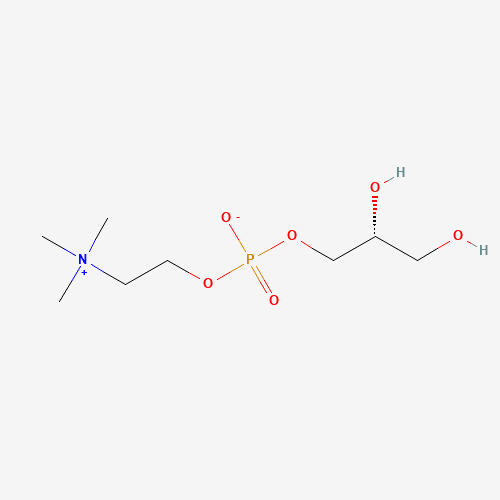
Alpha-GPC (choline alfoscerate) is a choline-containing phospholipid breakdown product, sold as a prescription drug in some countries and a supplement elsewhere [1]. It is a precursor of both choline and acetylcholine [1]. Its record is unusually mixed. One very large Korean cohort linked it to lower dementia conversion [2], while another linked it to higher 10-year stroke risk [3].
An effective choline donor with a real open question about long-term stroke risk; it is worth knowing about that signal before taking it daily for years.
- meta-analysis
- RCT
- trial
- observational
- preclinical / case
- review / patent / other
- retracted
- + Efficient choline and acetylcholine precursor
- + Outperformed citicoline in an old vascular dementia trial
- + Linked to slower dementia conversion in a large cohort
- − Linked to higher 10-year stroke risk in a 12-million-person cohort
- − Much of the evidence is observational
Overview
Alpha-GPC is used as a cognitive supplement and, in some countries, as a prescription drug for cognitive decline. A 2025 review summarises preclinical and clinical evidence for cognitive impairment in Alzheimer's disease, vascular dementia and cerebral ischaemia. It also covers claimed benefits for exercise performance and growth hormone release [1].
The oldest comparison with Citicoline is a 1991 open, multicentre trial in 120 patients with vascular dementia. Both drugs were given intramuscularly. Both improved symptoms, and alpha-GPC scored higher on most tests [4].
Mechanism
Alpha-GPC is metabolised to choline and glycerophosphate. That makes it a precursor of acetylcholine and of membrane phospholipids [1]. Preclinical work also reports GABA release, protein kinase C activation, hippocampal neurogenesis and anti-inflammatory effects [1].
- Acetylcholine synthesisactivatessupplies choline for acetylcholine and phospholipid synthesis [1]moderate
Safety
risks and cautions, not medical adviceThe safety question is a single, very large observational signal. In a Korean national cohort of about 12 million people aged 50 or over, alpha-GPC users had a 43% higher adjusted risk of stroke over 10 years than matched non-users, with a dose-response relationship [3].
Observational data cannot prove cause, and people who are prescribed alpha-GPC may already differ in vascular risk in ways the adjustment did not capture. A later cohort of people with mild cognitive impairment found lower dementia conversion, and lower stroke risk among those who did not progress [2]. The two studies point in different directions, and neither is a randomised trial.
- Associated with higher long-term stroke risk in one large cohort; causation unproven [3]
- People with cardiovascular risk factors may want to weigh the stroke signal before long-term daily use [3]
Interactions
documented pairs only, not exhaustive- CiticolinecompatibleNo adverse interaction documented; both supply choline, so combining them mainly duplicates one mechanism
- any racetamcompatibleCommonly combined in practice; no adverse interaction documented
FAQ
References
entry last reviewed 2026-09-18- [1]Unlocking the Potential of l-α-Glycerylphosphorylcholine: From Metabolic Pathways to Therapeutic Applications.Che X, Zhao Y, Xu Z et al.Nutr Rev 2025reviewPMID 40036805◌ unreviewed
- [2]Association between L-α glycerylphosphorylcholine use and delayed dementia conversion: A nationwide longitudinal study in South Korea.Kim HK, Park S, Kim SW et al.J Prev Alzheimers Dis 2025observational · humanPMID 40155153◌ unreviewed
- [3]Association of L-α Glycerylphosphorylcholine With Subsequent Stroke Risk After 10 Years.Lee G, Choi S, Chang J et al.JAMA Netw Open 2021observational · humanPMID 34817582◌ unreviewed
- [4]A multicentre trial to evaluate the efficacy and tolerability of alpha-glycerylphosphorylcholine versus cytosine diphosphocholine in patients with vascular dementia.Di Perri R, Coppola G, Ambrosio LA et al.J Int Med Res 1991clinical trial · humanPMID 1916007◌ unreviewed