Melatonin
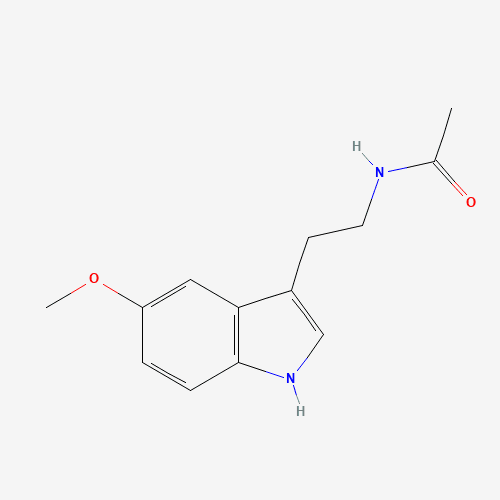
also N-Acetyl-5-methoxytryptamine · Circadin
Melatonin is the hormone the pineal gland releases at night to signal darkness. Taken as a supplement, its most convincing use is jet lag, where a Cochrane review put the number needed to treat at 2 [1]. For insomnia the benefit is real but modest: about 7 minutes faster sleep onset and 8 minutes more sleep on average [2]. Timing matters as much as dose.
A body-clock signal rather than a sedative; excellent for jet lag, modest for insomnia, and supplement doses often do not match the label.
- meta-analysis
- RCT
- trial
- observational
- preclinical / case
- review / patent / other
- retracted
- + Strong evidence for jet lag (NNT 2)
- + Modest, durable improvements in sleep onset and quality
- + Low side-effect burden
- − Insomnia benefit is small in absolute terms
- − Wrong timing can shift the clock the wrong way
- − Supplement content often far from label
Overview
Melatonin is a prescription medicine in some countries and an over-the-counter supplement in others, including the US. Its best evidence is for circadian problems rather than general insomnia.
For jet lag, nine of ten trials found that melatonin taken close to bedtime at the destination reduced jet lag after flights crossing five or more time zones [1]. For primary sleep disorders, a meta-analysis of 19 studies (1,683 people) found reduced sleep latency and increased total sleep time, and the effects did not fade with continued use [2]. A 2024 dose-response meta-analysis found the benefits peaked at around 4 mg a day, with earlier dosing working better [3].
Mechanism
Melatonin is a timing signal rather than a sedative. Released at night, it tells the brain's master clock that it is dark. That is why timing decides whether a dose helps. Taken early in the day, melatonin can cause sleepiness and delay adaptation to local time [1].
Pharmacokinetically it is short-lived. Oral immediate-release doses peak at about 50 minutes and have a half-life of about 45 minutes, and oral bioavailability is 9 to 33% [4]. In the jet lag data, 2 mg slow-release melatonin worked relatively poorly, which suggests a short, high peak works better [1].
- MT1 / MT2 melatonin receptorsactivatessignals biological night to the circadian system, shifting sleep timingstrong
Safety
risks and cautions, not medical adviceSide effects are infrequent in trials [1]. The Cochrane review flagged case reports suggesting people with epilepsy and people taking warfarin may come to harm [1].
The bigger practical problem is product quality. In an analysis of 31 supplements, melatonin content ranged from 83% below to 478% above the label, and it varied by up to 465% between lots of the same product. A quarter of the products also contained serotonin [5].
Interactions
documented pairs only, not exhaustiveMelatonin's pharmacokinetics are affected by age, caffeine, smoking, oral contraceptives, feeding status and fluvoxamine [4]. Fluvoxamine, a strong CYP1A2 inhibitor, is the one most worth knowing about.
- Caffeinecaution
- L-TheaninecompatibleNo interaction documented
- ModafinilcautionOpposing aims; a wakefulness drug in the same day's roster works against melatonin's timing signal
FAQ
- How much melatonin should I take?
- In jet lag trials, 0.5 to 5 mg were similarly effective and more than 5 mg gave no further benefit [1]. A dose-response meta-analysis found insomnia benefits peaked around 4 mg [3].
- When should I take it?
- For jet lag, close to the target bedtime at the destination [1]. Taken at the wrong time it can delay adaptation.
- Does it stop working over time?
- In a meta-analysis, the effects on sleep did not appear to fade with continued use [2].
References
entry last reviewed 2026-09-18- [1]Melatonin for the prevention and treatment of jet lag.Herxheimer A, Petrie KJCochrane Database Syst Rev 2002meta-analysis · humanPMID 12076414◌ unreviewed
- [2]Meta-analysis: melatonin for the treatment of primary sleep disorders.Ferracioli-Oda E, Qawasmi A, Bloch MHPLoS One 2013meta-analysis · humanPMID 23691095◌ unreviewed
- [3]Optimizing the Time and Dose of Melatonin as a Sleep-Promoting Drug: A Systematic Review of Randomized Controlled Trials and Dose-Response Meta-Analysis.Cruz-Sanabria F, Bruno S, Crippa A et al.J Pineal Res 2024meta-analysis · humanPMID 38888087◌ unreviewed
- [4]Clinical pharmacokinetics of melatonin: a systematic review.Harpsøe NG, Andersen LP, Gögenur I et al.Eur J Clin Pharmacol 2015meta-analysis · humanPMID 26008214◌ unreviewed
- [5]Melatonin Natural Health Products and Supplements: Presence of Serotonin and Significant Variability of Melatonin Content.Erland LA, Saxena PKJ Clin Sleep Med 2017otherPMID 27855744◌ unreviewed
- [6]Effects of caffeine on the human circadian clock in vivo and in vitro.Burke TM, Markwald RR, McHill AW et al.Sci Transl Med 2015RCT · humanPMID 26378246◌ unreviewed