Lemborexant
also Dayvigo · E2006 · E-2006
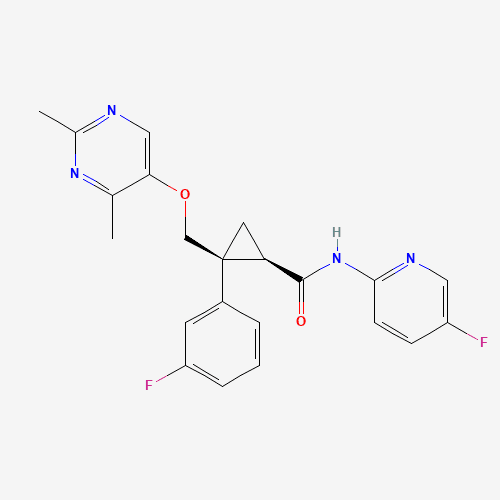
Lemborexant (Dayvigo) is a dual orexin receptor antagonist from Eisai, approved for adult insomnia in the United States in 2019 [1][2] and in Japan, Canada, Australia and several Asian countries [3]. In older adults it shortened the time to fall asleep and cut night-time waking more than both placebo and extended-release zolpidem [2], and in a 12-month trial its benefits over placebo at 6 months were still present at a year [4][5]. It had the largest effect on falling asleep of the three licensed orexin antagonists in a 2025 network meta-analysis [6]; the price is a long half-life of 17–19 hours and dose-related somnolence, most of all at 10 mg [1][4].
The orexin antagonist with the strongest trial record on falling asleep, including a head-to-head win over extended-release zolpidem and a year of placebo-controlled and open data; its long half-life and somnolence at 10 mg are the trade-off.
- meta-analysis
- RCT
- trial
- observational
- preclinical / case
- review / patent / other
- retracted
- + In adults aged 55 and over it shortened time to persistent sleep and cut night-time waking more than both placebo and extended-release zolpidem over a month
- + Benefits on falling asleep and staying asleep held through 6 months against placebo and to 12 months
- + The largest effect on time to fall asleep among the three licensed dual orexin antagonists in a 2025 network meta-analysis
- + No average impairment of next-morning driving in adults or older adults at up to 10 mg
- + Less middle-of-the-night unsteadiness than zolpidem, with no loss of the ability to wake to a sound
- + Did not worsen breathing over 8 nights in sleep apnea of any severity or in moderate-to-severe COPD
- − Somnolence in 13% on 10 mg over 6 months against 2% on placebo, the commonest reason for stopping
- − A half-life of 17–19 hours: about a quarter of the peak level is still present 9 hours after a dose
- − Balance, attention and memory were worse than on placebo when people were woken 4 hours after a dose
- − Sleep paralysis in about 1–2% and hypnagogic hallucinations, against none on placebo
- − Alcohol raised its blood levels by 70% and added to its effects on attention and memory
- − Recreational sedative users liked it about as much as zolpidem and suvorexant; Schedule IV in the United States
- − Lowers blood levels of drugs cleared by CYP2B6, such as bupropion and methadone
Lemborexant (E2006) is a dual orexin receptor antagonist (DORA) developed by Eisai [2]. It was approved in the United States in 2019 for adult insomnia with difficulty falling asleep, staying asleep or both [1], and is also approved in Japan, Canada, Australia and several Asian countries [3].
Trials in insomnia. A Bayesian adaptive phase 2 trial in 291 adults tested 1–25 mg for 15 nights; doses of 5 mg and above improved sleep efficiency and sleep onset on polysomnography and diaries at the start and end of treatment, while objectively measured waking during the night improved only at the higher doses [7]. SUNRISE 1 randomized 1,006 women aged 55 and over and men aged 65 and over with sleep-maintenance insomnia to 5 mg, 10 mg, extended-release zolpidem 6.25 mg or placebo for a month [2]. At the end, latency to persistent sleep was 23–28% shorter than on placebo and 37–41% shorter than on zolpidem; sleep efficiency rose 7–8 percentage points and wake after sleep onset fell 24–25 minutes more than on placebo, and 8–9 minutes more than on zolpidem, mostly in the second half of the night [2]. SUNRISE 2 randomized 971 adults to 5 mg, 10 mg or placebo for 6 months [4]. By sleep diary at month 6, time to fall asleep was about 27–30% shorter than on placebo, total sleep 19–23 minutes longer and wake after sleep onset 13–17 minutes shorter, and about 30% of people on lemborexant met the trial's definition of a sleep-onset responder against 18% on placebo [4]. These benefits were maintained in people who continued treatment to 12 months, with no rebound insomnia or withdrawal after stopping [5].
How it compares. In a 2025 network meta-analysis of eight trials, 10 mg had the largest effect of any licensed DORA dose on self-reported time to fall asleep (standardized mean difference −0.43), better than suvorexant and daridorexant 25 mg on that measure, and 10 mg also beat 5 mg on total sleep [6]; in an earlier network meta-analysis of week-1 outcomes, 10 mg had the largest effect against placebo on every primary outcome [8]. The 2022 Lancet network meta-analysis of 154 trials found lemborexant and eszopiclone the only drugs that beat placebo in long-term use (lemborexant standardized mean difference 0.41, very low certainty) and judged lemborexant's profile favorable, while calling its safety data inconclusive [9].
Older adults and dementia. SUNRISE 1 was run entirely in adults aged 55 and over [2]. In a 2026 meta-analysis of DORAs in people aged 65 and over, lemborexant and suvorexant caused more treatment-emergent adverse events than placebo, though not more serious ones [10]. In a small phase 2 trial in 62 people with Alzheimer's dementia and an irregular sleep–wake rhythm, some doses reduced night-time restlessness, sharpened the day–night difference in activity and shortened daytime sleep bouts, with no worsening of cognition, but each dose arm had only about 12 people [11]. A 2025 meta-analysis pooling lemborexant, suvorexant and ramelteon found fewer cases of delirium in hospitalized patients, on low-certainty evidence [12].
Midlife women. In the 280 women aged 40–58 in SUNRISE 2, the age range of the menopausal transition, lemborexant improved self-reported sleep through 12 months [13].
Orexin and wakefulness. Orexin neurons in the lateral hypothalamus fire during wakefulness and fall silent in sleep, and losing them causes narcolepsy [14][15]. Blocking their two receptors lowers the wake drive rather than sedating the brain through GABA-A receptors [16].
Binding. Lemborexant is a competitive antagonist at both orexin receptors, with IC50 values of 6.1 nM at OX1 and 2.6 nM at OX2 [1]. It binds and dissociates quickly, is equally potent at human, rat and mouse receptors, is selective over 88 other targets, and in computer models sits in the receptor pocket in the same folded "horseshoe" shape as suvorexant [17]. Its main metabolite, M10, binds the receptors about as well as the parent drug [1].
In animals. Oral lemborexant blocked the orexin-induced rise in the stress hormone ACTH in rats and promoted sleep in mice and rats; it increased REM and non-REM sleep in proportion, whereas zolpidem reduced REM sleep [18]. It had no sleep-promoting effect in mice lacking orexin neurons, showing that it works through orexin signaling; repeated dosing did not reduce its effect, and it did not deepen ethanol anesthesia or impair motor coordination [18]. Mice given 10 or 30 mg/kg showed cataplexy-like behavior when offered chocolate, a trigger for cataplexy in narcoleptic mice [1].
Circadian rest–activity. In Alzheimer's dementia with an irregular sleep–wake rhythm, actigraphy suggested less night-time activity and more consolidated daytime wakefulness on some doses [11].
- Orexin 2 receptor (OX2R, HCRTR2)blocksstrong
- Orexin 1 receptor (OX1R, HCRTR1)blocksstrong
- M10, the main circulating metaboliteblocksbinds OX1 and OX2 receptors about as well as lemborexant itself (IC50 4.2 and 2.9 nM) [1]strong
Formulation
how the form changes blood levelsTablets and food. Lemborexant comes as 5 and 10 mg film-coated tablets [1]. A high-fat meal lowers the peak level by 23%, raises total exposure by 18% and delays the peak by 2 hours [1].
A long tail. Its effective half-life is 17–19 hours, and 9 hours after a 10 mg dose about a quarter of the peak level remains [19]. Even so, phase 1 studies found no clinically relevant next-morning effects on sleepiness, coding speed or vigilance at doses up to 10 mg [19].
Special groups. In mild liver impairment the peak rose 58% and total exposure 25%; in moderate impairment the peak rose 22% and total exposure 54%, so the dose there is capped at 5 mg [20]. Severe kidney impairment raised total exposure about 1.5-fold without a dose change [21]. Age, sex, race and body mass index made no clinically relevant difference [1].
Dosing
as studied or commonly reported; not a recommendationDoses below are what studies used or, where marked, what is commonly reported. None is a recommendation.
Oral
- 5 or 10 mgSUNRISE 1: 1,006 women aged 55 and over and men aged 65 and over with sleep-maintenance insomnia, against placebo and zolpidem extended release 6.25 mgonce nightly · 30 nightshuman study[2]
- 5 or 10 mg
- 1, 2.5, 5, 10, 15 or 25 mgphase 2 dose-finding trial in 291 adults with insomnia; doses of 2.5–10 mg judged to balance benefit against next-morning sleepinessonce nightly · 15 nightshuman study[7]
- 2.5, 5, 10 or 15 mg62 people aged 60–90 with Alzheimer's dementia and irregular sleep–wake rhythm disorder, about 12 per armonce nightly at bedtime · 4 weekshuman study[11]
- 10 mg
- 2.5, 5 or 10 mg48 healthy adults aged 23–78; next-morning on-road driving not impaired on averageat bedtime · 8 nightshuman study[25]
- 5 or 10 mghealthy women aged 55 and over and men aged 65 and over, tested when woken 4 hours later and in the morning, against zolpidem and placebosingle dose at bedtimehuman study[26]
- 1–300 mg/kgmice and rats; promoted non-REM and REM sleep alike, with no effect in mice lacking orexin neuronssingle doses, and 30 mg/kg repeatedanimal study[18]
- Form
- Film-coated tablets of 5 and 10 mg [1].
- Timing and food
- Taken no more than once a night, immediately before going to bed, with at least 7 hours before the planned time of waking; taking it with or soon after a meal may delay sleep onset [1].
- Time to effect
- Effects on sleep onset and maintenance were present on the first two nights [2] and in the first week of sleep diaries, and were maintained through 6 months [4].
- Notes
- The label starts at 5 mg and allows up to 10 mg, advises caution above 5 mg in people aged 65 and over, caps the dose at 5 mg with weak CYP3A inhibitors and in moderate liver impairment, and advises against strong or moderate CYP3A inhibitors and inducers and against use in severe liver impairment [1]. In the phase 2 trial, 15 mg had the highest utility score, but 2.5–10 mg were judged to give efficacy with the least next-morning sleepiness [7].
Pharmacokinetics
what the body does with it| Half-life | Effective half-life 17 hours at 5 mg and 19 hours at 10 mg [1][19]. |
|---|---|
| Onset | Sleep onset and maintenance improved on polysomnography from the first two nights in older adults [2]. A meal shortly before may delay sleep onset [1]. |
| Time to peak | About 1–3 hours [1][19]. A high-fat, high-calorie meal delayed it by 2 hours, lowered the peak by 23% and raised total exposure by 18% [1]. |
| Peak level | Peak and total exposure rise slightly less than in proportion to dose from 2.5 to 75 mg [1]. After repeated 10 mg doses, the level 9 hours after a dose was 27% of the peak [19]. |
| Bioavailability | Absolute bioavailability is not given in the label; the volume of distribution is large, about 1,970 L, and 94% is protein-bound in clinical samples [1]. |
| Steady state | Accumulates 1.5- to 3-fold at steady state across 2.5–75 mg [1]; trough levels reached steady state by days 7–10 of daily dosing [19]. |
| Metabolism | Mainly by CYP3A4, with a smaller role for CYP3A5; the main circulating metabolite, M10, is active at orexin receptors [1]. Exposure rose 25% in mild and 54% in moderate liver impairment [20], and about 1.5-fold in severe kidney impairment [21]. |
| Excretion | 57.4% of a dose is recovered in feces and 29.1% in urine, less than 1% of it unchanged [1]. |
Safety
risks and cautions, not medical adviceCommon effects. In the first 30 days of the phase 3 trials, somnolence or fatigue affected 6.9% on 5 mg and 9.6% on 10 mg against 1.3% on placebo, headache 5.9% and 4.5% against 3.4%, and nightmares or abnormal dreams 2.2% on 10 mg [1]. Over 6 months in SUNRISE 2, somnolence affected 8.6% on 5 mg and 13.1% on 10 mg against 1.6% on placebo, and 8.3% on 10 mg stopped because of side effects against 4.1% on 5 mg and 3.8% on placebo [4]. In SUNRISE 1, adverse events were reported by 28–31% on lemborexant, 35% on zolpidem and 25% on placebo [2]. Somnolence on 10 mg was more frequent in people aged 65 and over: 9.8% against 7.7% in the first month [1], and 19.0% against 10.9% over 6 months in SUNRISE 2 [4].
Narcolepsy-like effects. Sleep paralysis occurred in 1.3% on 5 mg and 1.6% on 10 mg, and hypnagogic hallucinations in 0.1% and 0.7%, with none on placebo; two complex sleep behavior events occurred, both on 10 mg [1]. No events were judged to be cataplexy in SUNRISE 1 or SUNRISE 2 [2][4]. Sleep paralysis was its strongest signal in US adverse-event reports [27].
At night and the next day. When healthy older adults were woken 4 hours after a dose, both doses increased body sway compared with placebo, although less than zolpidem did; neither changed how loud a sound was needed to wake them, and 10 mg worsened attention and memory, but by morning there were no residual effects on balance or cognition [26]. In on-road driving tests 9 hours after bedtime doses of up to 10 mg, average performance was not impaired [25], although the label notes impairment in some individuals on 10 mg [1]. Falls were no more frequent than on placebo over 6 months in SUNRISE 2 (1.6% against 3.1%) [4].
Alcohol. A single 10 mg dose taken with alcohol worsened attention and memory more than alcohol alone, and alcohol raised lemborexant's total exposure by 70% and its peak by 35% [28].
Breathing. Over 8 nights at 10 mg, the apnea–hypopnea index did not change in mild sleep apnea [22] or in moderate-to-severe sleep apnea [23], and overnight oxygen saturation did not fall in moderate-to-severe COPD [24]. The label still advises weighing respiratory effects, because these studies were short [1].
Mood. Suicidal ideation or behavior on questionnaires was slightly more frequent on lemborexant (0.3–0.4%) than placebo (0.2%) [1]; in US adverse-event reports, DORAs were not linked to more suicidality than trazodone [29].
Abuse and dependence. In 32 recreational sedative users, single 10, 20 and 30 mg doses produced drug-liking scores well above placebo and not different from suvorexant 40 mg or zolpidem 30 mg [3], and lemborexant is in Schedule IV [1]. Animal and human studies found no physical dependence, and there was no rebound insomnia after stopping [1].
Other findings. Lemborexant did not prolong the QTc interval at 5 times the top dose, and multiple doses up to 75 mg mainly caused dose-dependent somnolence [1]. Malformations appeared in rats only at more than 300 times the human exposure, and in breast milk the infant dose is under 2% of the mother's [1].
- Somnolence or fatigue, headache, and nightmares or abnormal dreams [1]
- Next-day sleepiness and, in some people, impaired driving on 10 mg [1]
- Sleep paralysis, hypnagogic hallucinations and cataplexy-like symptoms [1]
- Complex sleep behaviors such as sleep-walking [1]
- Unsteadiness and impaired attention if woken during the night [26]
- Palpitations led some people on 10 mg to stop treatment [1]
- Contraindicated in narcolepsy [1]
- Allow at least 7 hours in bed; the risk of next-day impairment rises with less sleep or higher doses [1]
- Avoid alcohol, strong or moderate CYP3A inhibitors and inducers; maximum 5 mg with weak inhibitors or moderate liver impairment [1]
- Use caution above 5 mg in people aged 65 and over, who are at higher risk of falls [1]
- Be careful getting up during the night: balance is impaired 4 hours after a dose [1][26]
- Watch for worsening depression or suicidal thoughts [1]
- The phase 2 and phase 3 trials were sponsored by Eisai [2][4][10]
- SUNRISE 2's long-term outcomes were self-reported in sleep diaries, not measured by polysomnography [4]
- The Lancet network meta-analysis rated the long-term evidence very low certainty and called lemborexant's safety data inconclusive [9]
- The Alzheimer's rhythm-disorder trial had about 12 people per dose and lasted 4 weeks [11]
- The 12-month SUNRISE 2 results, the in vitro characterization and the 2020 and 2022 network meta-analyses were read from their abstracts
Interactions
documented pairs only, not exhaustiveLemborexant is cleared mainly by CYP3A4, and the label advises avoiding strong or moderate CYP3A inhibitors (such as itraconazole, clarithromycin, fluconazole and verapamil) and strong or moderate inducers (such as rifampin, carbamazepine, St John's wort and modafinil), and capping the dose at 5 mg with weak inhibitors [1]. It lowers exposure to CYP2B6 substrates such as bupropion and methadone, so their effect should be watched [1]. Alcohol raises its levels and adds to its impairment [28], and the label advises against alcohol and against combining it with other insomnia drugs or central depressants such as benzodiazepines, opioids and tricyclics [1].
- ModafinilavoidLemborexant's label names modafinil as a moderate CYP3A inducer and advises avoiding moderate inducers, which lower lemborexant exposure and may reduce its effect; modafinil is also wake-promoting [1]
- Trazodonecaution
- Is lemborexant better than zolpidem?
- In SUNRISE 1, in adults aged 55 and over, it shortened time to fall asleep and reduced night-time waking more than extended-release zolpidem 6.25 mg, with numerically fewer adverse events [2], and it caused less middle-of-the-night unsteadiness than zolpidem [26]. Its abuse potential in recreational users was similar to zolpidem's [3].
- With a half-life of 17–19 hours, will it leave me groggy?
- Somnolence is its commonest side effect, especially at 10 mg [4], and the label notes driving impairment in some people on 10 mg [1]. On average, though, next-morning driving, balance and cognition were not impaired in healthy adults and older adults [25][26].
References
entry last reviewed 2026-10-16- [1]DAYVIGO (lemborexant) tablets, for oral use, CIV Initial U.S. Approval: 2019DailyMed prescribing information 2025other◌ unreviewed
- [2]Comparison of Lemborexant With Placebo and Zolpidem Tartrate Extended Release for the Treatment of Older Adults With Insomnia Disorder: A Phase 3 Randomized Clinical Trial.Rosenberg R, Murphy P, Zammit G et al.JAMA Netw Open 2019RCT · humanPMID 31880796◌ unreviewed
- [3]Abuse Potential of Lemborexant, a Dual Orexin Receptor Antagonist, Compared With Zolpidem and Suvorexant in Recreational Sedative Users.Landry I, Hall N, Aluri J et al.J Clin Psychopharmacol 2022RCT · humanPMID 35749758◌ unreviewed
- [4]Long-term efficacy and tolerability of lemborexant compared with placebo in adults with insomnia disorder: results from the phase 3 randomized clinical trial SUNRISE 2.Kärppä M, Yardley J, Pinner K et al.Sleep 2020RCT · humanPMID 32585700◌ unreviewed
- [5]Long-term effectiveness and safety of lemborexant in adults with insomnia disorder: results from a phase 3 randomized clinical trial.Yardley J, Kärppä M, Inoue Y et al.Sleep Med 2021RCT · humanPMID 33636648◌ unreviewed
- [6]Comparative efficacy and safety of daridorexant, lemborexant, and suvorexant for insomnia: a systematic review and network meta-analysis.Kishi T, Ikuta T, Citrome L et al.Transl Psychiatry 2025meta-analysis · humanPMID 40555730◌ unreviewed
- [7]Lemborexant, A Dual Orexin Receptor Antagonist (DORA) for the Treatment of Insomnia Disorder: Results From a Bayesian, Adaptive, Randomized, Double-Blind, Placebo-Controlled Study.Murphy P, Moline M, Mayleben D et al.J Clin Sleep Med 2017RCT · humanPMID 29065953◌ unreviewed
- [8]Lemborexant vs suvorexant for insomnia: A systematic review and network meta-analysis.Kishi T, Nomura I, Matsuda Y et al.J Psychiatr Res 2020meta-analysis · humanPMID 32531478◌ unreviewed
- [9]Comparative effects of pharmacological interventions for the acute and long-term management of insomnia disorder in adults: a systematic review and network meta-analysis.De Crescenzo F, D'Alò GL, Ostinelli EG et al.Lancet 2022meta-analysis · humanPMID 35843245◌ unreviewed
- [10]Treatment of chronic insomnia in elderly adults with dual orexin receptor antagonists: a systematic review and meta-analysis.Rollo E, Antonioni A, Manzoli L et al.Sleep 2026meta-analysis · humanPMID 42143581◌ unreviewed
- [11]Safety and Efficacy of Lemborexant in Patients With Irregular Sleep-Wake Rhythm Disorder and Alzheimer's Disease Dementia: Results From a Phase 2 Randomized Clinical Trial.Moline M, Thein S, Bsharat M et al.J Prev Alzheimers Dis 2021RCT · humanPMID 33336219◌ unreviewed
- [12]Efficacy of Ramelteon, Suvorexant, and Lemborexant for Delirium Prevention in Hospitalized Patients: A Systematic Review and Meta-Analysis.de Oliveira HM, Gallo Ruelas M, Zamora FV et al.Crit Care Med 2025meta-analysis · humanPMID 40511987◌ unreviewed
- [13]Efficacy and safety of lemborexant in midlife women with insomnia disorder.Terauchi M, Cheng JY, Yardley J et al.Menopause 2023RCT · humanPMID 37339396◌ unreviewed
- [14]International Union of Basic and Clinical Pharmacology. LXXXVI. Orexin receptor function, nomenclature and pharmacology.Gotter AL, Webber AL, Coleman PJ et al.Pharmacol Rev 2012reviewPMID 22759794◌ unreviewed
- [15]Narcolepsy in orexin knockout mice: molecular genetics of sleep regulation.Chemelli RM, Willie JT, Sinton CM et al.Cell 1999preclinical · animalPMID 10481909◌ unreviewed
- [16]The orexin story and orexin receptor antagonists for the treatment of insomnia.Muehlan C, Roch C, Vaillant C et al.J Sleep Res 2023reviewPMID 37086045◌ unreviewed
- [17]In Vitro and In Silico Characterization of Lemborexant (E2006), a Novel Dual Orexin Receptor Antagonist.Beuckmann CT, Suzuki M, Ueno T et al.J Pharmacol Exp Ther 2017preclinical · cellPMID 28559480◌ unreviewed
- [18]Preclinical in vivo characterization of lemborexant (E2006), a novel dual orexin receptor antagonist for sleep/wake regulation.Beuckmann CT, Ueno T, Nakagawa M et al.Sleep 2019preclinical · animalPMID 30923834◌ unreviewed
- [19]Pharmacokinetics, Pharmacodynamics, and Safety of the Dual Orexin Receptor Antagonist Lemborexant: Findings From Single-Dose and Multiple-Ascending-Dose Phase 1 Studies in Healthy Adults.Landry I, Nakai K, Ferry J et al.Clin Pharmacol Drug Dev 2021RCT · humanPMID 32468649◌ unreviewed
- [20]Effect of hepatic impairment on pharmacokinetics, safety, and tolerability of lemborexant.Dayal S, Aluri J, Hall N et al.Pharmacol Res Perspect 2021clinical trial · humanPMID 33822479◌ unreviewed
- [21]Effect of severe renal impairment on pharmacokinetics, safety, and tolerability of lemborexant.Landry I, Aluri J, Hall N et al.Pharmacol Res Perspect 2021clinical trial · humanPMID 33689224◌ unreviewed
- [22]Respiratory safety of lemborexant in healthy adult and elderly subjects with mild obstructive sleep apnea: A randomized, double-blind, placebo-controlled, crossover study.Cheng JY, Filippov G, Moline M et al.J Sleep Res 2020RCT · humanPMID 32187781◌ unreviewed
- [23]A randomized, double-blind, placebo-controlled, crossover study of respiratory safety of lemborexant in moderate to severe obstructive sleep apnea.Cheng JY, Lorch D, Lowe AD et al.J Clin Sleep Med 2024RCT · humanPMID 37677076◌ unreviewed
- [24]Respiratory safety of lemborexant in adult and elderly subjects with moderate-to-severe chronic obstructive pulmonary disease.Cheng JY, Lorch D, Hall N et al.J Sleep Res 2025RCT · humanPMID 39266012◌ unreviewed
- [25]On-the-road driving performance the morning after bedtime administration of lemborexant in healthy adult and elderly volunteers.Vermeeren A, Jongen S, Murphy P et al.Sleep 2019RCT · humanPMID 30597112◌ unreviewed
- [26]Safety of lemborexant versus placebo and zolpidem: effects on auditory awakening threshold, postural stability, and cognitive performance in healthy older participants in the middle of the night and upon morning awakening.Murphy P, Kumar D, Zammit G et al.J Clin Sleep Med 2020RCT · humanPMID 32022664◌ unreviewed
- [27]Safety of dual orexin receptor antagonists: a real-world pharmacovigilance study.Sun Y, Xu T, Xu HExpert Opin Drug Saf 2026observational · humanPMID 39985333◌ unreviewed
- [28]Effect of alcohol coadministration on the pharmacodynamics, pharmacokinetics, and safety of lemborexant: A randomized, placebo-controlled crossover study.Landry I, Hall N, Aluri J et al.J Psychopharmacol 2022RCT · humanPMID 35634694◌ unreviewed
- [29]Association between dual orexin receptor antagonists (DORAs) and suicidality: reports to the United States Food and Drug Administration Adverse Event Reporting System (FAERS).McIntyre RS, Wong S, Kwan ATH et al.Expert Opin Drug Saf 2025observational · humanPMID 38804896◌ unreviewed
- [30]TRAZODONE HYDROCHLORIDE tablets, for oral use Initial U.S. Approval: 1981DailyMed prescribing information 2025other◌ unreviewed
- [31]INTUNIV (guanfacine) extended-release tablets, for oral use Initial U.S. Approval: 1986DailyMed prescribing information 2025other◌ unreviewed