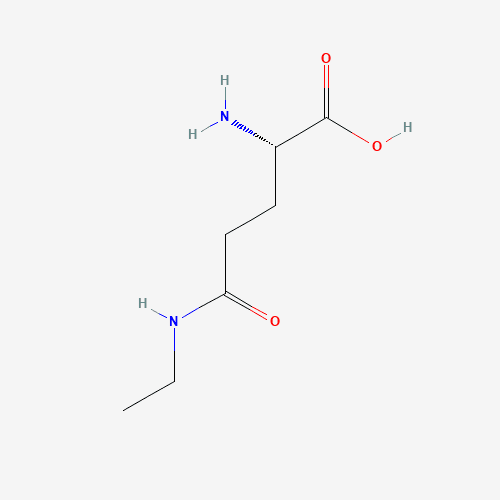
L-Theanine
also Theanine · Suntheanine · delta-glutamylethylamide
L-theanine is an amino acid found almost only in tea. Taken at 200 to 400 mg a day, it may reduce stress and anxiety in people under stressful conditions [1]. Its best-known use is alongside Caffeine, where the pair improves attention switching more than either alone [2]. A 2025 meta-analysis found small improvements in subjective sleep [3].
A gentle, well-tolerated calming amino acid with modest but consistent effects; its strongest evidence is as a partner to caffeine.
- meta-analysis
- RCT
- trial
- observational
- preclinical / case
- review / patent / other
- retracted
- + Takes the edge off caffeine while keeping the focus
- + Small, consistent improvements in subjective stress
- + Modest help with subjective sleep quality
- − Effects are subtle; many people notice nothing on their own
- − Most trials are small and short
Overview
L-theanine is a non-protein amino acid found in green and black tea (Camellia sinensis). It is sold as a stand-alone supplement and as an ingredient in "focus" and sleep blends.
Most of the research falls into three groups. The largest looks at the combination with caffeine, where a meta-analysis of randomised trials found moderate effect sizes for alertness and attention switching accuracy in the first two hours [2]. Not every outcome improves: one trial found better task switching but no change in intersensory attention or subjective alertness [4]. A 2025 meta-analysis concluded that theanine plus caffeine, and theanine alone, could benefit cognition and mood [5]. A second group looks at stress and anxiety. A systematic review of nine randomised trials concluded that 200 to 400 mg a day may reduce stress and anxiety in people under stress [1]. In a four-week crossover trial in healthy adults, 200 mg a day lowered depression, anxiety and sleep-quality scores and improved verbal fluency [6]. The third and newest looks at sleep, where a 2025 meta-analysis of 18 trials found small improvements in subjective sleep onset, daytime dysfunction and overall sleep quality [3].
Mechanism
Its mechanism in humans is not settled. L-theanine is structurally related to glutamate. Reviews propose effects on glutamate signalling and on GABA, serotonin and dopamine levels as the basis of its anxiolytic and anti-stress effects, but most of that evidence comes from animals [7].
Why it pairs well with caffeine is also unresolved. In one EEG study, theanine and caffeine each enlarged an attention-related brain response, and together they enlarged it further. The study found no statistical interaction between them, which suggests their effects simply add together rather than one amplifying the other [8].
- Glutamate receptors and transportmodulatesproposed basis of its calming effect; direct human evidence is limited [7]unclear
Safety
risks and cautions, not medical adviceL-theanine has a clean safety record in the trial literature. Daily doses of 200 to 400 mg for up to eight weeks are described as safe [7]. No serious adverse effects appear in the controlled studies cited here.
- None consistently reported at 200 to 400 mg a day in trials [7]
- Evidence for use in psychiatric conditions such as schizophrenia is preliminary [7]
Interactions
documented pairs only, not exhaustiveNo meaningful drug interactions are documented. Because it is taken for calming effects, stacking it with sedatives is the main thing to think about, though no study has shown harm.
- Caffeinecompatible
- MelatonincompatibleNo interaction documented; both are commonly combined in sleep products
What it feels like
subjective reports, the weakest evidence on the pageOften described as a quieter version of alertness. On its own the effect is mild enough that many people are unsure it is working, but next to caffeine the difference is easier to notice.
FAQ
References
entry last reviewed 2026-09-18- [1]The Effects of Green Tea Amino Acid L-Theanine Consumption on the Ability to Manage Stress and Anxiety Levels: a Systematic Review.Williams JL, Everett JM, D'Cunha NM et al.Plant Foods Hum Nutr 2020meta-analysis · humanPMID 31758301◌ unreviewed
- [2]Acute effects of tea constituents L-theanine, caffeine, and epigallocatechin gallate on cognitive function and mood: a systematic review and meta-analysis.Camfield DA, Stough C, Farrimond J et al.Nutr Rev 2014meta-analysis · humanPMID 24946991◌ unreviewed
- [3]The effects of L-theanine consumption on sleep outcomes: A systematic review and meta-analysis.Bulman A, D'Cunha NM, Marx W et al.Sleep Med Rev 2025meta-analysis · humanPMID 40056718◌ unreviewed
- [4]L-theanine and caffeine improve task switching but not intersensory attention or subjective alertness.Einöther SJ, Martens VE, Rycroft JA et al.Appetite 2010RCT · humanPMID 20079786◌ unreviewed
- [5]Effects of Tea (Camellia sinensis) or its Bioactive Compounds l-Theanine or l-Theanine plus Caffeine on Cognition, Sleep, and Mood in Healthy Participants: A Systematic Review and Meta-Analysis of Randomized Controlled Trials.Payne ER, Aceves-Martins M, Dubost J et al.Nutr Rev 2025meta-analysis · humanPMID 40314930◌ unreviewed
- [6]Effects of L-Theanine Administration on Stress-Related Symptoms and Cognitive Functions in Healthy Adults: A Randomized Controlled Trial.Hidese S, Ogawa S, Ota M et al.Nutrients 2019RCT · humanPMID 31623400◌ unreviewed
- [7]Psychotropic effects of L-theanine and its clinical properties: From the management of anxiety and stress to a potential use in schizophrenia.Lopes Sakamoto F, Metzker Pereira Ribeiro R, Amador Bueno A et al.Pharmacol Res 2019reviewPMID 31412272◌ unreviewed
- [8]Acute effects of theanine, caffeine and theanine-caffeine combination on attention.Kahathuduwa CN, Dassanayake TL, Amarakoon AMT et al.Nutr Neurosci 2017RCT · humanPMID 26869148◌ unreviewed
- [9]The combined effects of L-theanine and caffeine on cognitive performance and mood.Owen GN, Parnell H, De Bruin EA et al.Nutr Neurosci 2008RCT · humanPMID 18681988◌ unreviewed
- [10]The combination of L-theanine and caffeine improves cognitive performance and increases subjective alertness.Giesbrecht T, Rycroft JA, Rowson MJ et al.Nutr Neurosci 2010RCT · humanPMID 21040626◌ unreviewed