The Limitless Stack v2
eleven compounds aimed at learning and memory: acetylcholine supply, a stronger response to glutamate, and more growth-factor signaling at the synapse
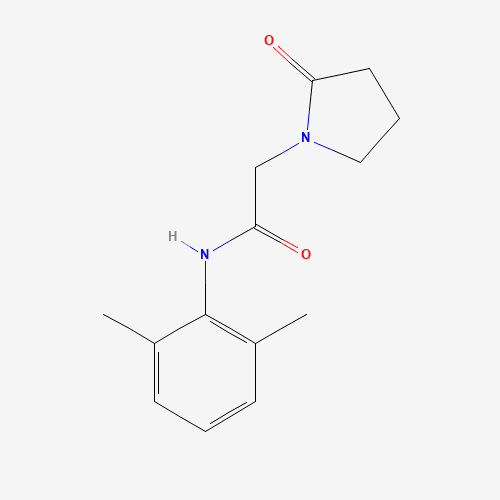 Nefiracetamracetam that potentiates nicotinic and NMDA receptorsHuman RCTs
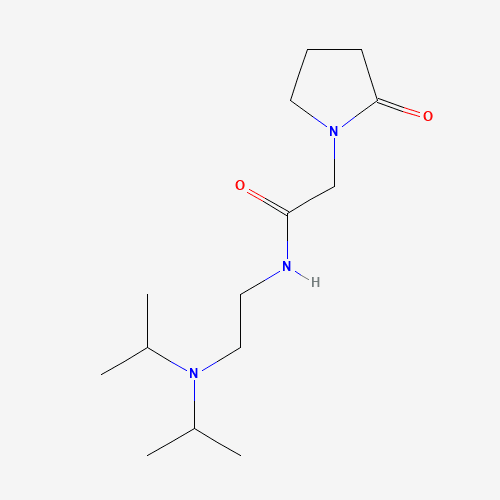 Pramiracetamracetam acting on brain cholineHuman RCTs
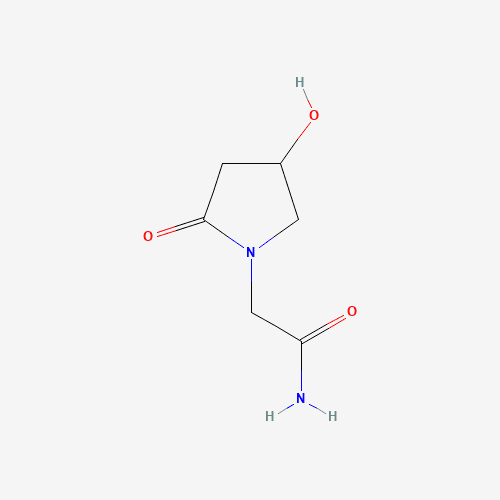 Oxiracetamracetam that positively modulates AMPA receptorsHuman RCTs
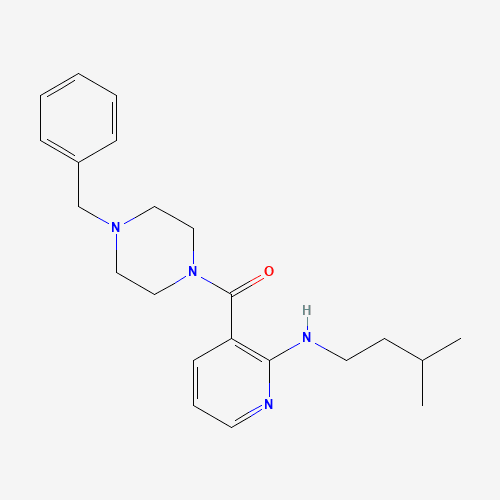 NSI-189neurogenic compound found by a neural-stem-cell screenEarly human trials
- no structure on fileACD856Trk receptor positive allosteric modulatorEarly human trials
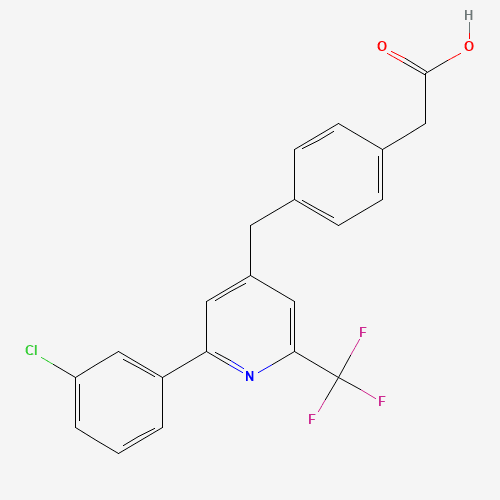 BPN14770allosteric PDE4D inhibitorHuman RCTs
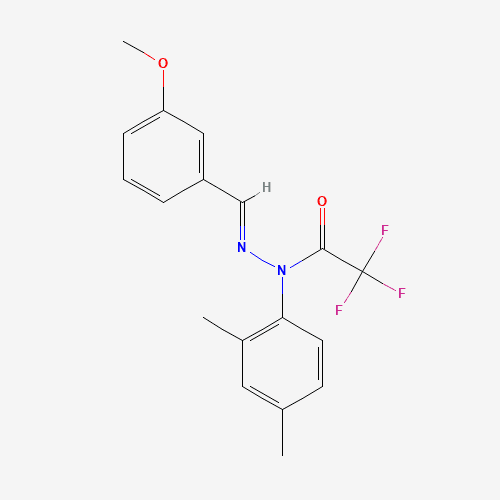 J-147partial inhibitor of mitochondrial ATP synthasePreclinical
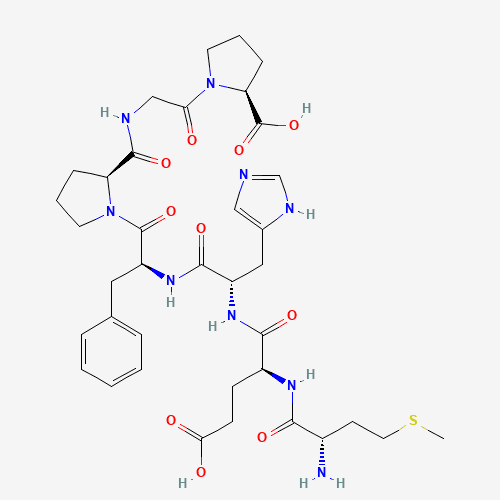 Semaxheptapeptide analog of the ACTH(4-10) fragmentEarly human trials
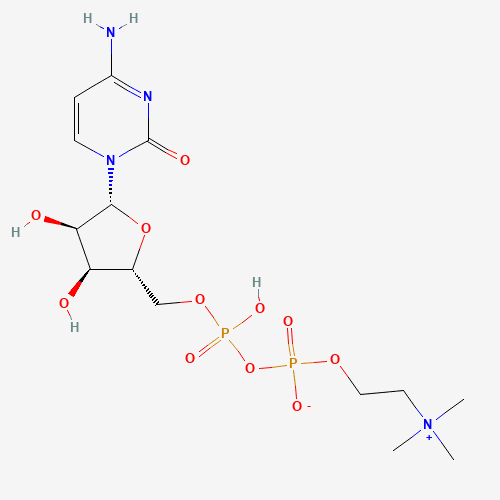 Citicolinecholine source, plus cytidineHuman RCTs
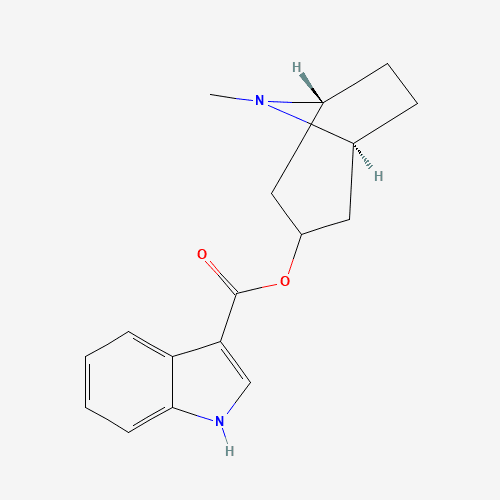 Tropisetronα7 nicotinic partial agonist and 5-HT3 antagonistHuman RCTs
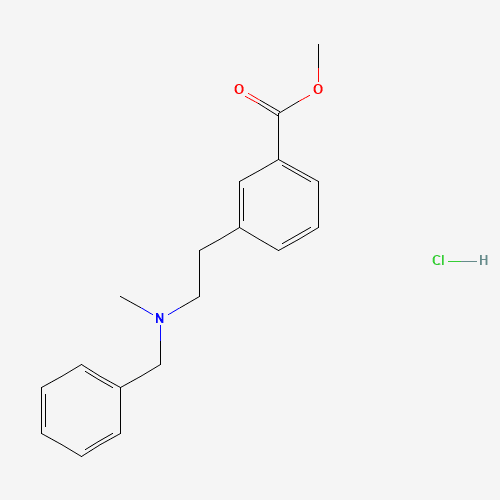 PRL-8-53phenethylamine-derived benzoate studied for verbal memoryEarly human trials
Protocol
as reported; not a recommendation| Compound | Route | Dose range | Timing |
|---|---|---|---|
| Nefiracetam | Oral | 100–1,000 mg | 2–3x Daily, With Fat |
| Pramiracetam | Oral | 500–5,000 mg | Morning and Early Afternoon, With Fat |
| Oxiracetam | Oral | 500–2,000 mg or more | Morning and Early Afternoon |
| NSI-189 | Oral | 20–80 mg | Daily or 3x Weekly, Morning |
| ACD856 | Oral | 5–30 mg | Daily, Morning |
| BPN14770 | Oral | 2.5–5 mg or more | 1–2x Daily |
| J-147 | Oral | 10–30 mg | Daily, Morning |
| Semax | Intranasal | 100–1,000 µg | Daytime |
| CDP-Choline | Oral | 100–900 mg | 1–2x Daily, Morning or Morning/Midday |
| Tropisetron | Oral | 5–20 mg | Daily |
| PRL-8-53 | Oral | 10–60 mg | As Needed, Morning or Before Learning |
| Compound | How it contributes |
|---|---|
Learning Taking in something new and keeping it. This is the whole process; attention, encoding, consolidation and recall below are its parts. | |
| PRL-8-53 | Strengthens dopamine signaling in rats [1], which may help new material go in. In people, a word list was learned slightly faster after taking it [2]. |
| Oxiracetam | Raises the brain's use of acetylcholine in rats [3], which may help learning. In people with mild to moderate dementia, it improved the learning of a 15-word list [4]. |
| CDP-Choline | Supplies choline, the raw material brain cells make acetylcholine from [5], which may help learning. In healthy older adults with age-related memory complaints, it raised overall memory-test scores [6]. |
| Tropisetron | Switches on the α7 nicotinic receptor, one of the receptors for acetylcholine [7], which may help learning. In people with schizophrenia, it raised overall scores on a battery of memory and attention tests [8]. |
| Nefiracetam | Raises the release of acetylcholine and the enzyme that makes it, which may help learning. In rats that had lost the brain cells that make acetylcholine, it improved learning [9]. |
| Semax | Raises BDNF, a growth factor that supports brain cells and their connections, which may help learning. Rats given a single dose through the nose more often acted on a learned warning signal to avoid something unpleasant [10]. |
Sensory gating The brain's automatic filter. It turns down repeated or irrelevant sounds before they reach your attention. | |
| Tropisetron | Switches on the α7 nicotinic receptor [7], which may strengthen this filter. In people with schizophrenia, in whom the filter is weak, it improved it [8][11][12]. |
| CDP-Choline | Supplies choline, which itself switches on the α7 nicotinic receptor and may strengthen this filter. In healthy volunteers whose filtering was weak to begin with, a single dose strengthened it [13]. |
Attention Staying on a task (attention span) and picking out what matters within it (selective attention). | |
| CDP-Choline | Supplies choline, the raw material for acetylcholine [5], which may sharpen attention. In healthy teenage boys, it improved attention-test scores [14]. |
| Pramiracetam | Acts on how the brain takes up choline, the raw material for acetylcholine, in rats [15], which may support attention. In healthy men, it partly reversed the loss of selective attention caused by scopolamine, a drug that blocks acetylcholine [16]. |
| Tropisetron | Switches on the α7 nicotinic receptor [7], which may sharpen attention. In people with schizophrenia, it improved a test of sustained visual attention [11]. |
| Oxiracetam | Raises the brain's use of acetylcholine in rats [3], which may sharpen attention. In people with mild to moderate dementia, it improved a test of sustained attention to sounds [4][17]. |
| Nefiracetam | Raises the release of acetylcholine in the front of the brain in rats [9] and makes the nicotinic receptors it acts on respond more strongly [18], which may sharpen attention. |
Processing speed How quickly the brain handles simple information: reacting, scanning, tracking. It measures speed, not memory. | |
| CDP-Choline | Supplies choline for acetylcholine and for the membranes around brain cells [5], which may help the brain work faster. In healthy teenage boys, it raised movement speed, measured by finger tapping [14]. |
| Oxiracetam | Makes the receptors that carry the brain's fast glutamate signals respond more strongly [19], which may speed up processing. In the hippocampus of mice with Alzheimer's-like disease, those signals were larger and more frequent [20]. |
Working memory Holding something in mind for a few seconds while you use it, like a phone number you are about to dial. | |
| BPN14770 | Blocks PDE4D, an enzyme that breaks down the messenger cAMP, and so raises cAMP in the brain of mice [21], which may help hold information in mind. In healthy volunteers aged 60 and over, two weeks of it was reported to improve working memory [22]. |
| Oxiracetam | Makes the receptors that carry the brain's fast glutamate signals respond more strongly [19], which may help hold information in mind. In people with mild to moderate dementia, it lengthened the sequence of locations they could repeat back [4][17]. |
| J-147 | Raises the growth factors BDNF and NGF, which may help hold information in mind. In mice given scopolamine, a drug that blocks acetylcholine, it protected working memory [23]. |
| Nefiracetam | Makes the NMDA receptor, one of the receptors for the messenger glutamate, respond more strongly in rat brain cells [24], which may help hold information in mind. |
Encoding Getting new information into memory at the moment you meet it. Processing speed is how fast you take it in; encoding is whether it gets stored. | |
| Pramiracetam | Acts on how the brain takes up choline in rats [15], which may help new memories form. In healthy men, it partly reversed the memory loss caused by scopolamine, a drug that blocks acetylcholine [16]. |
| Oxiracetam | Makes the receptors that carry the brain's fast glutamate signals respond more strongly [19], which may help new memories form. In healthy volunteers given scopolamine, it improved their later recall of word lists [25]. |
| CDP-Choline | Supplies choline, the raw material for acetylcholine [5], which may help new memories form. In healthy older adults with age-related memory complaints, it improved a test of remembering which items go together [6]. |
| Tropisetron | Switches on the α7 nicotinic receptor [7], which may help new memories form. In people with schizophrenia, it improved immediate memory, the recall of information just presented [8][12]. |
| Nefiracetam | Makes nicotinic and NMDA receptors respond more strongly in rat brain cells [18][24], which may help new memories form. In rats, it countered the memory loss caused by scopolamine [9]. |
Consolidation Turning a fresh, fragile memory into a lasting one in the hours and days after learning. | |
| BPN14770 | In mice, raises cAMP, a messenger inside brain cells, and with repeated dosing switches on CREB, a protein that turns on genes, which may help memories last; the mice remembered an object better a day later [21]. Mice kept awake after learning were spared the memory loss that sleep deprivation causes [26][27]. |
| ACD856 | Makes brain cells respond more strongly to BDNF and related growth factors, which may help memories last. In mice with drug-induced amnesia it rescued the memory when given just after training, and one dose left old mice remembering a task as well as young ones 11 days later [28]. |
| J-147 | Helped connections between brain cells strengthen after use, in slices of rat brain, which may help memories last. Mice fed it remembered a maze better six weeks after learning it [29]. |
| Nefiracetam | Strengthens long-term potentiation, the lasting boost a connection between brain cells gets from use, in rat brain tissue [30], which may help memories last. In rats, it countered the memory loss caused by cycloheximide, a drug that stops brain cells making new proteins [9]. |
| Semax | In rats, a single dose through the nose raised the output of the genes for BDNF, a growth factor that supports brain cells and their connections, and for its receptor in the hippocampus [10], which may help memories last. |
Recall and retention Retention is how much of a memory is still there later; recall is getting it back out. Retention is the result of consolidation, so this row overlaps the one above. | |
| PRL-8-53 | Reported to produce an acetylcholine response in animals, which may help memories stay. People who took it before learning a word list remembered more of the words a day later and a week later [2]. |
| Pramiracetam | Acts on how the brain takes up choline in rats [15], which may help recall. In young men with memory problems after a head injury, it improved delayed recall, remembering something after a gap [31]. |
| Tropisetron | Switches on the α7 nicotinic receptor [7], which may help recall. In people with schizophrenia, it improved delayed memory, the recall of information after a gap [8]. |
| ACD856 | Makes brain cells respond more strongly to BDNF and related growth factors, which may help recall. In mice with drug-induced amnesia, a dose given shortly before the memory test improved recall [28]. |
Neuroplasticity The brain's ability to grow and rewire: new cells, new connections and the materials they are built from. It is not a memory stage; it is the groundwork the stages above depend on. | |
| NSI-189 | Makes stem cells from the human hippocampus divide in the lab [32], which may help the brain grow new nerve cells. In rats recovering from radiation, it raised the number of new nerve cells in the hippocampus [33]. |
| Oxiracetam | Makes the receptors that carry the brain's fast glutamate signals respond more strongly [19], which may help connections between brain cells grow and hold. In mice with Alzheimer's-like disease, it reduced the loss of nerve cells in the hippocampus and restored proteins that nerve-cell branches and connections are built from [20]. |
| ACD856 | Makes brain cells respond more strongly to growth factors [28], which may help connections between them grow. Old mice given it daily for four weeks had more BDNF in their brains [34]. |
| BPN14770 | In mice, raises cAMP and CREB signaling, which may help connections between brain cells grow; it raised the proteins those connections are built from in the mouse hippocampus [21]. |
| J-147 | Partly blocks ATP synthase, the enzyme that makes energy in mitochondria, switching on the energy sensor AMPK [35], which may help brain cells grow and repair. In mice with Alzheimer's-like disease, it raised the growth factors BDNF and NGF in the hippocampus [23]. |
| Semax | Raises BDNF, a growth factor that supports brain cells and their connections, which may help the brain rewire. In rats, a single dose through the nose raised BDNF in the hippocampus and switched on its receptor [10], and raised BDNF in the basal forebrain [36]. |
| Nefiracetam | Acting through nicotinic receptors, raises the release of the messenger glutamate, which may help connections between brain cells strengthen. In hippocampal tissue, it gave a lasting boost to the signals passing between cells [37]. |
| CDP-Choline | A building block of phosphatidylcholine, the main fat in the membranes around every brain cell, which may support the growth of new branches and connections. In animal models of stroke, it slowed the breakdown of those membranes [5]. |
| Compound | What it does |
|---|---|
| Nefiracetam | Potentiates α4β2 nicotinic acetylcholine receptor currents through Gs proteins [18] and NMDA receptor currents through protein kinase Cα [24]. Enhances long-term potentiation in the hippocampus [30]. |
| Pramiracetam | In rats, prevents the scopolamine-induced rise in choline extraction across the blood-brain barrier and increases cerebral blood flow [15]. Partly reverses the memory and attention deficits caused by the acetylcholine blocker scopolamine [16]. |
| Oxiracetam | Raises the response of AMPA receptors to glutamate, with no change to kainate or NMDA responses [19], and slows the desensitization of their GluA1 and GluA2 subunits [20]. In rats, raises acetylcholine use and high-affinity choline uptake in the hippocampus [3]. |
| NSI-189 | Stimulates the proliferation of hippocampal neural stem cells [32] and raised the number of newly born hippocampal neurons in irradiated rats [33]. Raises BDNF and stem cell factor in oxygen- and glucose-deprived hippocampal cultures [38]. |
| ACD856 | Makes the TrkA, TrkB and TrkC receptors respond more strongly to their neurotrophins NGF, BDNF and NT-3 [28]. In cortical neurons it raises ERK1/2 phosphorylation in the neurites and BDNF protein [34]. |
| BPN14770 | Inhibits the PKA-activated long forms of phosphodiesterase-4D [39]. In mice carrying the human enzyme it raises brain cAMP and, with repeated dosing, CREB phosphorylation and BDNF in the hippocampus [21]. |
| J-147 | Partly inhibits the mitochondrial ATP synthase, which raises cytosolic calcium and activates AMPK through the kinase CAMKK2 [35]. Raises BDNF and NGF in the hippocampus of Alzheimer's-model mice [23]. |
| Semax | Raises BDNF protein and the phosphorylation of its receptor trkB in the rat hippocampus after a single intranasal dose [10]. Binds specific, calcium-dependent sites in rat basal forebrain membranes and raises BDNF there [36]. |
| CDP-Choline | An intermediate in the synthesis of phosphatidylcholine, the main membrane phospholipid. Also supplies choline for acetylcholine synthesis [5]. |
| Tropisetron | Partially activates α7 nicotinic acetylcholine receptors, with no effect at the α4β2 subtype [7], and blocks 5-HT3 serotonin receptors [40]. Improves impaired P50 auditory sensory gating in schizophrenia [11]. |
| PRL-8-53 | Improved the retention of verbal information in people, with a smaller effect on its acquisition. Potentiates apomorphine-induced gnawing, a dopamine-dependent behavior, and promotes conditioned avoidance learning in rats [1]. Reported to produce a cholinergic response and partly inhibit serotonin in animals [2]. |
- Cholinergic signaling
Five compounds act on acetylcholine at different points. CDP-choline supplies the choline it is made from [5], and pramiracetam acts on the transport of choline across the blood-brain barrier [15]. Oxiracetam raises high-affinity choline uptake and acetylcholine use in the rat hippocampus [3], and increases evoked acetylcholine release from hippocampal slices [41]. Nefiracetam stimulates acetylcholine release in the frontal cortex and raises the activity of choline acetyltransferase, the enzyme that makes it [9], and potentiates the α4β2 nicotinic receptors acetylcholine acts on [18]. Tropisetron acts on a second nicotinic receptor, α7, as a partial agonist [7].
- Sensory gating
- Glutamate receptors
Two compounds strengthen the response to glutamate, each at a different receptor. Oxiracetam raises the efficacy of glutamate at AMPA receptors, leaving kainate and NMDA responses unchanged [19], and slows the receptors' desensitization [20]. Nefiracetam potentiates NMDA receptors through protein kinase Cα, enhancing glycine binding and largely removing the channel's magnesium block [24].
- Long-term potentiation
Three compounds favor the lasting strengthening of a synapse after it is used. Nefiracetam enhances long-term potentiation in the hippocampus through CaMKII, PKCα and the phosphorylation of AMPA receptors [30]. BPN14770 let a weak stimulus produce long-lasting potentiation in hippocampal slices from mice carrying the human PDE4D [21], and J-147 helped potentiation form in rat hippocampal slices [29].
- cAMP–CREB signaling
BPN14770 inhibits PDE4D most strongly once PKA has activated the enzyme, so it acts where cAMP signaling is already under way [39]. In mice carrying the human enzyme it raised brain cAMP and, after two weeks, phosphorylation of the transcription factor CREB in the hippocampus [21]; a PKA inhibitor blocked its memory effects [42].
- Neurotrophin signaling
Four compounds raise the growth factor BDNF and a fifth acts on its receptor. BPN14770 raised it in the hippocampus with repeated dosing [21], J-147 raises hippocampal BDNF and NGF [23], and NSI-189 raised BDNF and stem cell factor in oxygen- and glucose-deprived hippocampal cultures [38]. Semax raised BDNF protein and the mRNA for BDNF and its receptor trkB in the rat hippocampus, with more of the receptor phosphorylated [10], and raised BDNF in the basal forebrain but not the cerebellum [36]. ACD856 works on the receptor side: it makes the Trk receptors respond more strongly to BDNF, NGF and NT-3 [28].
- Neurogenesis
- Synapses and neurites
BPN14770 raised phosphorylated synapsin and the postsynaptic protein PSD95 in the hippocampus [21], and J-147 restored synaptic proteins in Alzheimer's-model mice [29]. In cultured cells ACD856 largely prevented the loss of the synaptic protein SNAP25 caused by amyloid-β and lengthened the neurites grown in response to NGF [34]. NSI-189 increased the neurite marker MAP2 in the hippocampus and cortex of rats after stroke [38], and oxiracetam restored MAP2, GAP43 and the synaptic protein synaptophysin in the hippocampus of Alzheimer's-model mice [20].
- Cell membranes
CDP-choline is the direct precursor of phosphatidylcholine, the main phospholipid in cell membranes. In animal models of cerebral ischemia it also slows membrane breakdown by inhibiting phospholipases [5].
- Energy metabolism
J-147 partly inhibits the mitochondrial ATP synthase, raises whole-cell ATP and activates AMPK through the calcium-sensing kinase CAMKK2 [35]. AMPK then inhibits ACC1, which raises acetyl-CoA in neurons and the acetylation of histone H3, a mark linked to memory formation [43]. ACD856 kept ATP levels up in cortical neurons deprived of glucose and pyruvate [34].
- Monoamine balance
- Learning and retention
PRL-8-53 improved the retention of verbal information in people, with a slight improvement in its acquisition; visual reaction time and motor control did not change [2]. In rats it promoted conditioned avoidance learning and maze performance [1]. Semax raised the number of conditioned avoidance responses rats made after a single intranasal dose [10].
- [1]A novel spasmolytic and CNS active agent: 3-(2-benzylmethylamino ethyl) benzoic acid methyl ester hydrochloride.Hansl NRExperientia 1974other · animalPMID 4824605◌ unreviewed
- [2]PRL-8-53: enhanced learning and subsequent retention in humans as a result of low oral doses of new psychotropic agent.Hansl NR, Mead BTPsychopharmacology (Berl) 1978RCT · humanPMID 418433◌ unreviewed
- [3]Effect of oxiracetam and piracetam on central cholinergic mechanisms and active-avoidance acquisition.Spignoli G, Pedata F, Giovannelli L et al.Clin Neuropharmacol 1986preclinical · animalPMID 3594455◌ unreviewed
- [4]Clinical studies with oxiracetam in patients with dementia of Alzheimer type and multi-infarct dementia of mild to moderate degree.Villardita C, Grioli S, Lomeo C et al.Neuropsychobiology 1992RCT · humanPMID 1603291◌ unreviewed
- [5]Citicoline: neuroprotective mechanisms in cerebral ischemia.Adibhatla RM, Hatcher JF, Dempsey RJJ Neurochem 2002reviewPMID 11796739◌ unreviewed
- [6]Citicoline and Memory Function in Healthy Older Adults: A Randomized, Double-Blind, Placebo-Controlled Clinical Trial.Nakazaki E, Mah E, Sanoshy K et al.J Nutr 2021RCT · humanPMID 33978188◌ unreviewed
- [7]Molecular dissection of tropisetron, an alpha7 nicotinic acetylcholine receptor-selective partial agonist.Papke RL, Schiff HC, Jack BA et al.Neurosci Lett 2005preclinical · cellPMID 15781147◌ unreviewed
- [8]Short-term tropisetron treatment and cognitive and P50 auditory gating deficits in schizophrenia.Zhang XY, Liu L, Liu S et al.Am J Psychiatry 2012RCT · humanPMID 22952075◌ unreviewed
- [9]Effects of nefiracetam on amnesia animal models with neuronal dysfunctions.Hiramatsu M, Shiotani T, Kameyama T et al.Behav Brain Res 1997preclinical · animalPMID 9062668◌ unreviewed
- [10]Semax, an analog of ACTH(4-10) with cognitive effects, regulates BDNF and trkB expression in the rat hippocampus.Dolotov OV, Karpenko EA, Inozemtseva LS et al.Brain Res 2006preclinical · animalPMID 16996037◌ unreviewed
- [11]A randomised, double-blind, placebo-controlled trial of tropisetron in patients with schizophrenia.Shiina A, Shirayama Y, Niitsu T et al.Ann Gen Psychiatry 2010RCT · humanPMID 20573264◌ unreviewed
- [12]One-day tropisetron treatment improves cognitive deficits and P50 inhibition deficits in schizophrenia.Xia L, Liu L, Hong X et al.Neuropsychopharmacology 2020RCT · humanPMID 32349117◌ unreviewed
- [13]CDP-choline: effects of the procholine supplement on sensory gating and executive function in healthy volunteers stratified for low, medium and high P50 suppression.Knott V, Smith D, de la Salle S et al.J Psychopharmacol 2014RCT · humanPMID 25315828◌ unreviewed
- [14]The Effect of Citicoline Supplementation on Motor Speed and Attention in Adolescent Males.McGlade E, Agoston AM, DiMuzio J et al.J Atten Disord 2019RCT · humanPMID 26179181◌ unreviewed
- [15]Reversal of scopolamine-induced alterations of choline transport across the blood-brain barrier by the nootropics piracetam and pramiracetam.Brust PArzneimittelforschung 1989other · animalPMID 2610714◌ unreviewed
- [16]Pramiracetam effects on scopolamine-induced amnesia in healthy volunteers.Mauri M, Sinforiani E, Reverberi F et al.Arch Gerontol Geriatr 1994RCT · humanPMID 15374306◌ unreviewed
- [17]Clinical and neuropsychological study with oxiracetam versus placebo in patients with mild to moderate dementia.Villardita C, Parini J, Grioli S et al.J Neural Transm Suppl 1987RCT · humanPMID 3479527◌ unreviewed
- [18]Nootropic drug modulation of neuronal nicotinic acetylcholine receptors in rat cortical neurons.Zhao X, Kuryatov A, Lindstrom JM et al.Mol Pharmacol 2001other · animalPMID 11259610◌ unreviewed
- [19]Nootropic drugs positively modulate alpha-amino-3-hydroxy-5-methyl-4-isoxazolepropionic acid-sensitive glutamate receptors in neuronal cultures.Copani A, Genazzani AA, Aleppo G et al.J Neurochem 1992preclinical · animalPMID 1372342◌ unreviewed
- [20]Oxiracetam Improves Cognitive Disorder in AD by Modulating AMPAR Subunits GluA1/GluA2 Kinetics.Guo S, Li T, Hu L et al.Cell Biochem Biophys 2026preclinical · animalPMID 41739317◌ unreviewed
- [21]Memory enhancing effects of BPN14770, an allosteric inhibitor of phosphodiesterase-4D, in wild-type and humanized mice.Zhang C, Xu Y, Chowdhary A et al.Neuropsychopharmacology 2018preclinical · animalPMID 30131563◌ unreviewed
- [22]Investigational phosphodiesterase inhibitors in phase I and phase II clinical trials for Alzheimer's disease.Prickaerts J, Heckman PRA, Blokland AExpert Opin Investig Drugs 2017reviewPMID 28772081◌ unreviewed
- [23]The neurotrophic compound J147 reverses cognitive impairment in aged Alzheimer's disease mice.Prior M, Dargusch R, Ehren JL et al.Alzheimers Res Ther 2013preclinical · animalPMID 23673233◌ unreviewed
- [24]Nefiracetam potentiates N-methyl-D-aspartate (NMDA) receptor function via protein kinase C activation and reduces magnesium block of NMDA receptor.Moriguchi S, Shioda N, Maejima H et al.Mol Pharmacol 2007other · animalPMID 17095583◌ unreviewed
- [25]Effects of acute doses of oxiracetam in the scopolamine model of human amnesia.Preda L, Alberoni M, Bressi S et al.Psychopharmacology (Berl) 1993RCT · humanPMID 7870912◌ unreviewed
- [26]Treatment with the selective PDE4B inhibitor A-33 or PDE4D inhibitor zatolmilast prevents sleep deprivation-induced deficits in spatial pattern separation.Zhao H, Blokland A, Prickaerts J et al.Behav Brain Res 2024preclinical · animalPMID 38056709◌ unreviewed
- [27]Individual contribution of PDE4B and PDE4D subfamilies to the prevention of object location memory impairments induced by sleep deprivation.Zhao H, Blokland A, Prickaerts J et al.Learn Mem 2025preclinical · animalPMID 40490297◌ unreviewed
- [28]Identification of Novel Positive Allosteric Modulators of Neurotrophin Receptors for the Treatment of Cognitive Dysfunction.Dahlström M, Madjid N, Nordvall G et al.Cells 2021preclinical · animalPMID 34440640◌ unreviewed
- [29]A novel neurotrophic drug for cognitive enhancement and Alzheimer's disease.Chen Q, Prior M, Dargusch R et al.PLoS One 2011preclinical · animalPMID 22194796◌ unreviewed
- [30]CaM kinase II and protein kinase C activations mediate enhancement of long-term potentiation by nefiracetam in the rat hippocampal CA1 region.Moriguchi S, Shioda N, Han F et al.J Neurochem 2008other · animalPMID 18445137◌ unreviewed
- [31]Placebo-controlled study of pramiracetam in young males with memory and cognitive problems resulting from head injury and anoxia.McLean A, Cardenas DD, Burgess D et al.Brain Inj 1991RCT · humanPMID 1786500◌ unreviewed
- [32]The neurogenic compound, NSI-189 phosphate: a novel multi-domain treatment capable of pro-cognitive and antidepressant effects.McIntyre RS, Johe K, Rong C et al.Expert Opin Investig Drugs 2017reviewPMID 28460574◌ unreviewed
- [33]Remediation of Radiation-Induced Cognitive Dysfunction through Oral Administration of the Neuroprotective Compound NSI-189.Allen BD, Acharya MM, Lu C et al.Radiat Res 2018preclinical · animalPMID 29351056◌ unreviewed
- [34]Neuroprotective and Disease-Modifying Effects of the Triazinetrione ACD856, a Positive Allosteric Modulator of Trk-Receptors for the Treatment of Cognitive Dysfunction in Alzheimer's Disease.Parrado Fernandez C, Juric S, Backlund M et al.Int J Mol Sci 2023preclinical · animalPMID 37446337◌ unreviewed
- [35]The mitochondrial ATP synthase is a shared drug target for aging and dementia.Goldberg J, Currais A, Prior M et al.Aging Cell 2018preclinical · animalPMID 29316249◌ unreviewed
- [36]Semax, an analogue of adrenocorticotropin (4-10), binds specifically and increases levels of brain-derived neurotrophic factor protein in rat basal forebrain.Dolotov OV, Karpenko EA, Seredenina TS et al.J Neurochem 2006preclinical · animalPMID 16635254◌ unreviewed
- [37]Presynaptic nicotinic acetylcholine receptors as a functional target of nefiracetam in inducing a long-lasting facilitation of hippocampal neurotransmission.Nishizaki T, Matsuoka T, Nomura T et al.Alzheimer Dis Assoc Disord 2000other · animalPMID 10850735◌ unreviewed
- [38]NSI-189, a small molecule with neurogenic properties, exerts behavioral, and neurostructural benefits in stroke rats.Tajiri N, Quach DM, Kaneko Y et al.J Cell Physiol 2017preclinical · animalPMID 28181668◌ unreviewed
- [39]Design and Synthesis of Selective Phosphodiesterase 4D (PDE4D) Allosteric Inhibitors for the Treatment of Fragile X Syndrome and Other Brain Disorders.Gurney ME, Nugent RA, Mo X et al.J Med Chem 2019preclinical · animalPMID 31013090◌ unreviewed
- [40]Tropisetron: an update of its use in the prevention of chemotherapy-induced nausea and vomiting.Simpson K, Spencer CM, McClellan KJDrugs 2000reviewPMID 10882164◌ unreviewed
- [41]Effects of oxiracetam on neurotransmitter release from rat hippocampus slices and synaptosomes.Raiteri M, Costa R, Marchi MNeurosci Lett 1992preclinical · animalPMID 1361044◌ unreviewed
- [42]Protection from Amyloid β Peptide-Induced Memory, Biochemical, and Morphological Deficits by a Phosphodiesterase-4D Allosteric Inhibitor.Cui SY, Yang MX, Zhang YH et al.J Pharmacol Exp Ther 2019preclinical · animalPMID 31488603◌ unreviewed
- [43]Elevating acetyl-CoA levels reduces aspects of brain aging.Currais A, Huang L, Goldberg J et al.Elife 2019preclinical · animalPMID 31742554◌ unreviewed
Not a recommendation to take or combine anything. Doses are reported, not prescribed. Read the individual entries, and talk to a clinician before taking any of this, particularly anything labeled prescription drug.