PRL-8-53
also PRL 8-53 · PRL-8-53 hydrochloride
PRL-8-53 is a synthetic compound with one published double-blind human experiment from 1978 [1]. Its abstract reports better verbal retention and a smaller acquisition effect, but no improvement in visual reaction time or motor control [1]. The publisher full text was unavailable, so the dose, sample size and adverse-event details could not be verified.
One old, unreplicated human memory signal, with too little accessible evidence to judge an effective dose, mechanism or safety.
- meta-analysis
- RCT
- trial
- observational
- preclinical / case
- review / patent / other
- retracted
- + Verbal retention improved in one double-blind experiment
- + A smaller learning-acquisition signal was reported
- − No reported improvement in visual reaction time or motor control
- − No accessible full text to verify dose or safety details
- − No independent clinical replication identified
PRL-8-53 was reported in a 1978 double-blind human experiment using a serial anticipation learning task. The authors described a slight improvement during acquisition and a clearer improvement in later verbal retention [1]. They did not observe an effect on visual reaction time or motor control [1].
This is one report, not a replicated clinical programme. The accessible abstract does not establish the sample size, oral dose, duration, or magnitude of the retention effect; the publisher page did not provide free full text [1]. Those details should not be filled from secondary retellings.
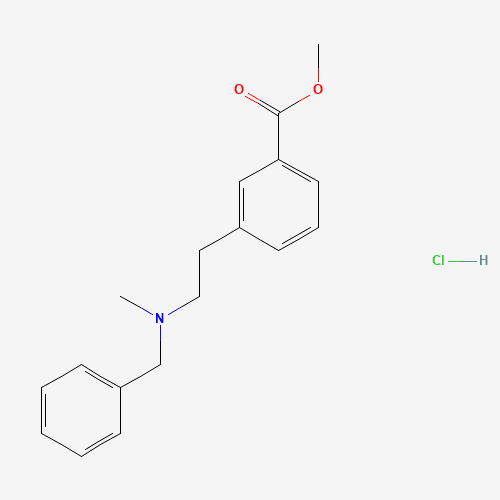
A specific receptor target or human mechanism was not demonstrated in the cited study. The chemical structure alone does not show how the reported memory result arose [1].
Dosing
as studied or commonly reported; not a recommendationNo doses are listed for this compound.No peer-reviewed human dosing data.
- Form
- The PubChem identity used here is the hydrochloride salt; the accessible clinical abstract describes oral dosing but does not specify its form [1].
- Notes
- A human experiment exists, but the publisher full text was unavailable and its abstract does not report the dose or schedule; no verified study-dose row can be given [1].
Safety
risks and cautions, not medical adviceThe accessible abstract reports null findings for visual reaction time and motor control, but it does not provide a systematic adverse-event account [1]. With the full text unavailable and only one old human experiment, short- and long-term safety cannot be characterised.
- The published abstract does not permit a supported human dosing or safety recommendation [1]
- One double-blind human report from 1978 with no independently replicated clinical result located [1]
- Publisher full text unavailable; dose, sample size and adverse events cannot be verified from the abstract [1]
- No established receptor mechanism or pharmacokinetic measurements in the cited human paper
- What human evidence is there for PRL-8-53?
- One 1978 double-blind experiment reported improved verbal retention but no visual reaction-time or motor-control benefit; its accessible abstract lacks dose and safety details [1].
References
entry last reviewed 2026-09-24- [1]PRL-8-53: enhanced learning and subsequent retention in humans as a result of low oral doses of new psychotropic agent.Hansl NR, Mead BTPsychopharmacology (Berl) 1978RCT · humanPMID 418433◌ unreviewed