The Limitless Stack (UNDER CONSTRUCTION)
nine compounds aimed at learning and memory: acetylcholine supply, a stronger response to glutamate, and more growth-factor signalling at the synapse
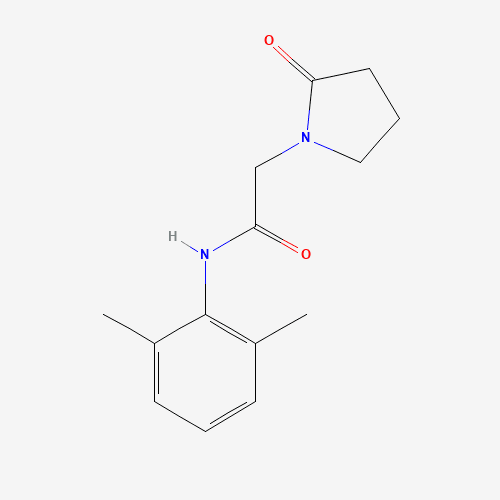 Nefiracetamracetam that potentiates nicotinic and NMDA receptorsHuman RCTs
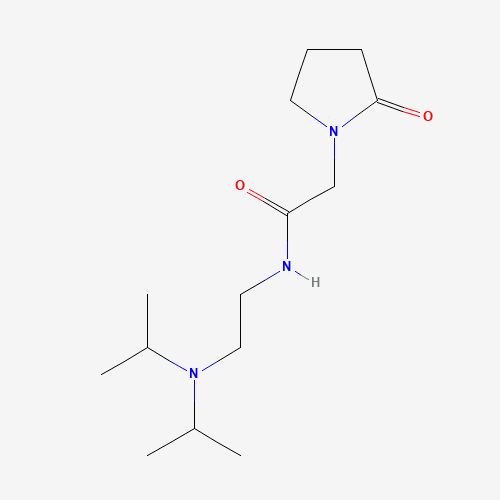 Pramiracetamracetam acting on brain cholineHuman RCTs
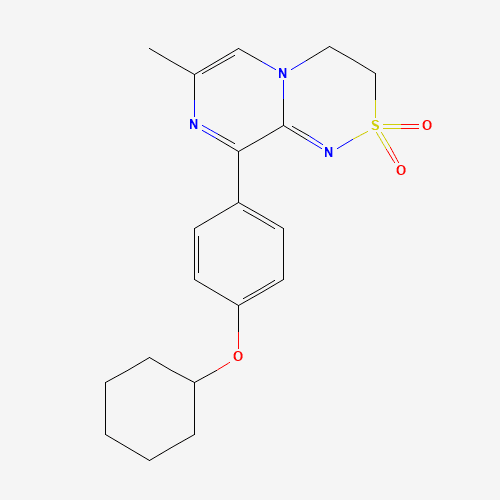 TAK-653AMPA receptor positive allosteric modulatorEarly human trials
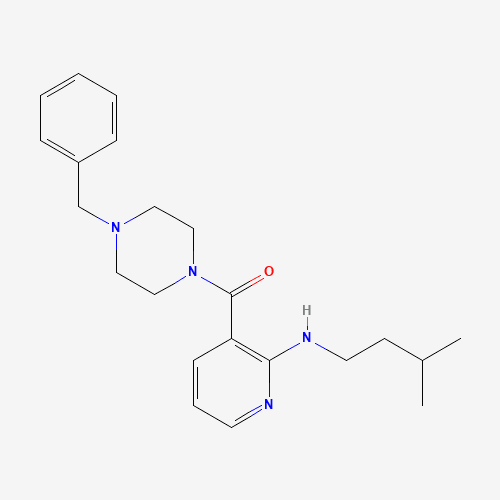 NSI-189neurogenic compound found by a neural-stem-cell screenEarly human trials
- no structure on fileACD856Trk receptor positive allosteric modulatorEarly human trials
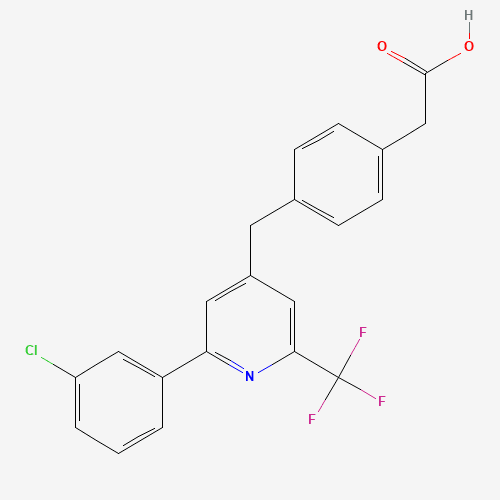 BPN14770allosteric PDE4D inhibitorHuman RCTs
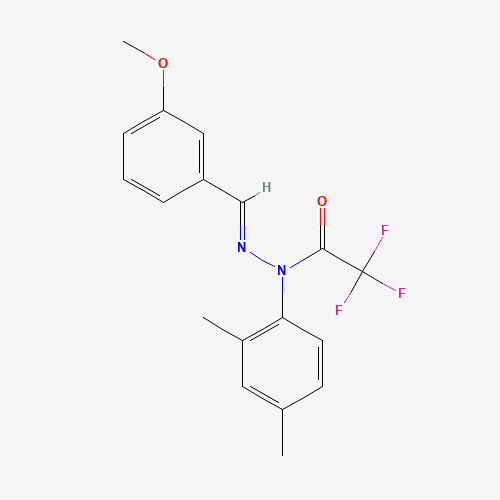 J-147partial inhibitor of mitochondrial ATP synthasePreclinical
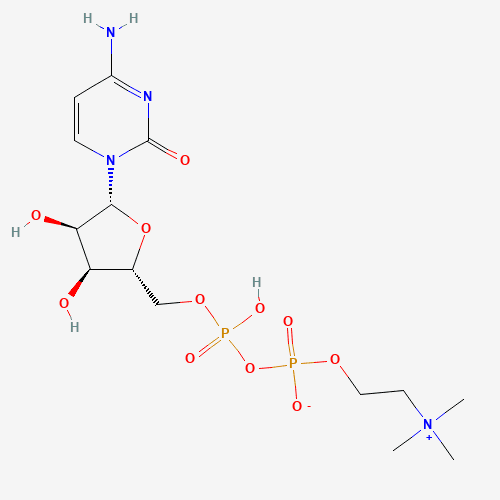 Citicolinecholine source, plus cytidineHuman RCTs
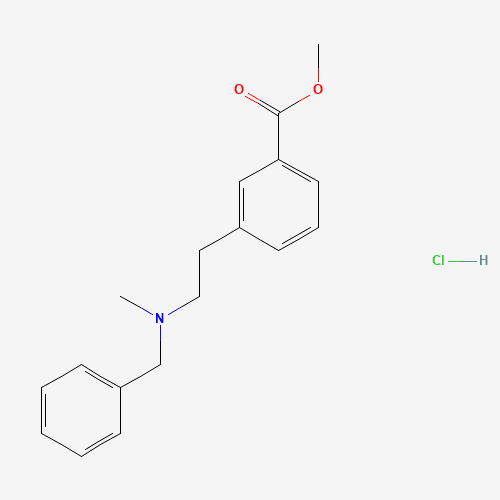 PRL-8-53phenethylamine-derived benzoate studied for verbal memoryEarly human trials
Protocol
as reported; not a recommendation| Compound | Route | Dose range | Timing |
|---|---|---|---|
| Nefiracetam | Oral | 600–900 mg/day | Daily |
| Pramiracetam | Oral | 1,200 mg/day | Split 2-3x Daily |
| TAK-653 | Oral | 0.3–9 mg/day | Daily |
| NSI-189 | Oral | 40–80 mg/day | Daily |
| ACD856 | Oral | 10–90 mg/day | Daily |
| BPN14770 | Oral | 20–50 mg/day | Split AM/PM |
| J-147 | Oral | No human dose studied | Not established |
| CDP-Choline | Oral | 250–500 mg/day | Daily |
| PRL-8-53 | Oral | 5 mg | 2–2.5 h Before Learning |
| Compound | What it does |
|---|---|
| Nefiracetam | Potentiates α4β2 nicotinic acetylcholine receptor currents through Gs proteins [1] and NMDA receptor currents through protein kinase Cα [2]. Enhances long-term potentiation in the hippocampus [3]. |
| Pramiracetam | In rats, prevents the scopolamine-induced rise in choline extraction across the blood-brain barrier and increases cerebral blood flow [4]. Partly reverses the memory and attention deficits caused by the acetylcholine blocker scopolamine [5]. |
| TAK-653 | Binds the AMPA receptor's ligand-binding domain only when glutamate is present, so it strengthens AMPA-receptor synaptic currents without activating resting receptors [6]. Raises BDNF and switches on Akt, ERK and mTOR signalling in cortical neurons [7]. |
| NSI-189 | Stimulates the proliferation of hippocampal neural stem cells [8] and raised the number of newly born hippocampal neurons in irradiated rats [9]. Raises BDNF and stem cell factor in oxygen- and glucose-deprived hippocampal cultures [10]. |
| ACD856 | Makes the TrkA, TrkB and TrkC receptors respond more strongly to their neurotrophins NGF, BDNF and NT-3 [11]. In cortical neurons it raises ERK1/2 phosphorylation in the neurites and BDNF protein [12]. |
| BPN14770 | Inhibits the PKA-activated long forms of phosphodiesterase-4D [13]. In mice carrying the human enzyme it raises brain cAMP and, with repeated dosing, CREB phosphorylation and BDNF in the hippocampus [14]. |
| J-147 | Partly inhibits the mitochondrial ATP synthase, which raises cytosolic calcium and activates AMPK through the kinase CAMKK2 [15]. Raises BDNF and NGF in the hippocampus of Alzheimer's-model mice [16]. |
| CDP-Choline | An intermediate in the synthesis of phosphatidylcholine, the main membrane phospholipid. Also supplies choline for acetylcholine synthesis [17]. |
| PRL-8-53 | Improved the retention of verbal information in people, with a smaller effect on its acquisition. Potentiates apomorphine-induced gnawing, a dopamine-dependent behaviour, and promotes conditioned avoidance learning in rats [18]. Reported to produce a cholinergic response and partly inhibit serotonin in animals [19]. |
- Cholinergic signalling
Three compounds act on acetylcholine at different points. CDP-choline supplies the choline it is made from [17], and pramiracetam acts on the transport of choline across the blood-brain barrier [4]. Nefiracetam stimulates acetylcholine release in the frontal cortex and raises the activity of choline acetyltransferase, the enzyme that makes it [20], and potentiates the α4β2 nicotinic receptors acetylcholine acts on [1].
- Glutamate receptors
Two compounds strengthen the response to glutamate, each at a different receptor. TAK-653 potentiates AMPA receptors only while glutamate is bound, amplifying synaptic signalling that is already under way [6]. Nefiracetam potentiates NMDA receptors through protein kinase Cα, enhancing glycine binding and largely removing the channel's magnesium block [2].
- Long-term potentiation
Three compounds favour the lasting strengthening of a synapse after it is used. Nefiracetam enhances long-term potentiation in the hippocampus through CaMKII, PKCα and the phosphorylation of AMPA receptors [3]. BPN14770 let a weak stimulus produce long-lasting potentiation in hippocampal slices from mice carrying the human PDE4D [14], and J-147 helped potentiation form in rat hippocampal slices [21].
- cAMP–CREB signalling
BPN14770 inhibits PDE4D most strongly once PKA has activated the enzyme, so it acts where cAMP signalling is already under way [13]. In mice carrying the human enzyme it raised brain cAMP and, after two weeks, phosphorylation of the transcription factor CREB in the hippocampus [14]; a PKA inhibitor blocked its memory effects [22].
- Neurotrophin signalling
Four compounds raise the growth factor BDNF and a fifth acts on its receptor. TAK-653 raises BDNF in cortical neurons [7], BPN14770 raised it in the hippocampus with repeated dosing [14], J-147 raises hippocampal BDNF and NGF [16], and NSI-189 raised BDNF and stem cell factor in oxygen- and glucose-deprived hippocampal cultures [10]. ACD856 works on the receptor side: it makes the Trk receptors respond more strongly to BDNF, NGF and NT-3 [11].
- Neurogenesis
- Synapses and neurites
BPN14770 raised phosphorylated synapsin and the postsynaptic protein PSD95 in the hippocampus [14], and J-147 restored synaptic proteins in Alzheimer's-model mice [21]. In cultured cells ACD856 largely prevented the loss of the synaptic protein SNAP25 caused by amyloid-β and lengthened the neurites grown in response to NGF [12]. NSI-189 increased the neurite marker MAP2 in the hippocampus and cortex of rats after stroke [10].
- Cell membranes
CDP-choline is the direct precursor of phosphatidylcholine, the main phospholipid in cell membranes. In animal models of cerebral ischaemia it also slows membrane breakdown by inhibiting phospholipases [17].
- Energy metabolism
J-147 partly inhibits the mitochondrial ATP synthase, raises whole-cell ATP and activates AMPK through the calcium-sensing kinase CAMKK2 [15]. AMPK then inhibits ACC1, which raises acetyl-CoA in neurons and the acetylation of histone H3, a mark linked to memory formation [23]. ACD856 kept ATP levels up in cortical neurons deprived of glucose and pyruvate [12].
- Monoamine balance
- [1]Nootropic drug modulation of neuronal nicotinic acetylcholine receptors in rat cortical neurons.Zhao X, Kuryatov A, Lindstrom JM et al.Mol Pharmacol 2001other · animalPMID 11259610◌ unreviewed
- [2]Nefiracetam potentiates N-methyl-D-aspartate (NMDA) receptor function via protein kinase C activation and reduces magnesium block of NMDA receptor.Moriguchi S, Shioda N, Maejima H et al.Mol Pharmacol 2007other · animalPMID 17095583◌ unreviewed
- [3]CaM kinase II and protein kinase C activations mediate enhancement of long-term potentiation by nefiracetam in the rat hippocampal CA1 region.Moriguchi S, Shioda N, Han F et al.J Neurochem 2008other · animalPMID 18445137◌ unreviewed
- [4]Reversal of scopolamine-induced alterations of choline transport across the blood-brain barrier by the nootropics piracetam and pramiracetam.Brust PArzneimittelforschung 1989other · animalPMID 2610714◌ unreviewed
- [5]Pramiracetam effects on scopolamine-induced amnesia in healthy volunteers.Mauri M, Sinforiani E, Reverberi F et al.Arch Gerontol Geriatr 1994RCT · humanPMID 15374306◌ unreviewed
- [6]Strictly regulated agonist-dependent activation of AMPA-R is the key characteristic of TAK-653 for robust synaptic responses and cognitive improvement.Suzuki A, Kunugi A, Tajima Y et al.Sci Rep 2021other · humanPMID 34267258◌ unreviewed
- [7]TAK-653, an AMPA receptor potentiator with minimal agonistic activity, produces an antidepressant-like effect with a favorable safety profile in rats.Hara H, Suzuki A, Kunugi A et al.Pharmacol Biochem Behav 2021other · humanPMID 34655652◌ unreviewed
- [8]The neurogenic compound, NSI-189 phosphate: a novel multi-domain treatment capable of pro-cognitive and antidepressant effects.McIntyre RS, Johe K, Rong C et al.Expert Opin Investig Drugs 2017reviewPMID 28460574◌ unreviewed
- [9]Remediation of Radiation-Induced Cognitive Dysfunction through Oral Administration of the Neuroprotective Compound NSI-189.Allen BD, Acharya MM, Lu C et al.Radiat Res 2018preclinical · animalPMID 29351056◌ unreviewed
- [10]NSI-189, a small molecule with neurogenic properties, exerts behavioral, and neurostructural benefits in stroke rats.Tajiri N, Quach DM, Kaneko Y et al.J Cell Physiol 2017preclinical · animalPMID 28181668◌ unreviewed
- [11]Identification of Novel Positive Allosteric Modulators of Neurotrophin Receptors for the Treatment of Cognitive Dysfunction.Dahlström M, Madjid N, Nordvall G et al.Cells 2021preclinical · animalPMID 34440640◌ unreviewed
- [12]Neuroprotective and Disease-Modifying Effects of the Triazinetrione ACD856, a Positive Allosteric Modulator of Trk-Receptors for the Treatment of Cognitive Dysfunction in Alzheimer's Disease.Parrado Fernandez C, Juric S, Backlund M et al.Int J Mol Sci 2023preclinical · animalPMID 37446337◌ unreviewed
- [13]Design and Synthesis of Selective Phosphodiesterase 4D (PDE4D) Allosteric Inhibitors for the Treatment of Fragile X Syndrome and Other Brain Disorders.Gurney ME, Nugent RA, Mo X et al.J Med Chem 2019preclinical · animalPMID 31013090◌ unreviewed
- [14]Memory enhancing effects of BPN14770, an allosteric inhibitor of phosphodiesterase-4D, in wild-type and humanized mice.Zhang C, Xu Y, Chowdhary A et al.Neuropsychopharmacology 2018preclinical · animalPMID 30131563◌ unreviewed
- [15]The mitochondrial ATP synthase is a shared drug target for aging and dementia.Goldberg J, Currais A, Prior M et al.Aging Cell 2018preclinical · animalPMID 29316249◌ unreviewed
- [16]The neurotrophic compound J147 reverses cognitive impairment in aged Alzheimer's disease mice.Prior M, Dargusch R, Ehren JL et al.Alzheimers Res Ther 2013preclinical · animalPMID 23673233◌ unreviewed
- [17]Citicoline: neuroprotective mechanisms in cerebral ischemia.Adibhatla RM, Hatcher JF, Dempsey RJJ Neurochem 2002reviewPMID 11796739◌ unreviewed
- [18]A novel spasmolytic and CNS active agent: 3-(2-benzylmethylamino ethyl) benzoic acid methyl ester hydrochloride.Hansl NRExperientia 1974other · animalPMID 4824605◌ unreviewed
- [19]PRL-8-53: enhanced learning and subsequent retention in humans as a result of low oral doses of new psychotropic agent.Hansl NR, Mead BTPsychopharmacology (Berl) 1978RCT · humanPMID 418433◌ unreviewed
- [20]Effects of nefiracetam on amnesia animal models with neuronal dysfunctions.Hiramatsu M, Shiotani T, Kameyama T et al.Behav Brain Res 1997preclinical · animalPMID 9062668◌ unreviewed
- [21]A novel neurotrophic drug for cognitive enhancement and Alzheimer's disease.Chen Q, Prior M, Dargusch R et al.PLoS One 2011preclinical · animalPMID 22194796◌ unreviewed
- [22]Protection from Amyloid β Peptide-Induced Memory, Biochemical, and Morphological Deficits by a Phosphodiesterase-4D Allosteric Inhibitor.Cui SY, Yang MX, Zhang YH et al.J Pharmacol Exp Ther 2019preclinical · animalPMID 31488603◌ unreviewed
- [23]Elevating acetyl-CoA levels reduces aspects of brain aging.Currais A, Huang L, Goldberg J et al.Elife 2019preclinical · animalPMID 31742554◌ unreviewed
Not a recommendation to take or combine anything. Doses are reported, not prescribed. Read the individual entries, and talk to a clinician before taking any of this, particularly anything labelled prescription drug.