Selegiline
also L-Deprenyl · (−)-Deprenyl · (-)-Deprenyl · Deprenyl · Eldepryl
Selegiline (L-deprenyl) is an irreversible MAO-B inhibitor created in Joseph Knoll's Budapest laboratory in the 1960s and prescribed for Parkinson's disease and, as a skin patch, for major depression [1][2]. In early Parkinson's disease 10 mg a day delayed the need for levodopa by about nine months, though whether that was protection or symptom relief was never settled [3][4]; the patch beat placebo modestly in adult depression and not at all in adolescents [2][5]. It is broken down to l-methamphetamine and l-amphetamine [6]. Its reputation as an anti-aging drug rests on rat longevity studies that replicated inconsistently, and a Cochrane review found no clinically meaningful benefit in Alzheimer's disease [7][8][9].
An established drug with modest, real effects in Parkinson's disease and, as a patch, in adult depression; the claims that brought it to nootropic use, neuroprotection and longer life, rest on rodent studies with mixed replication and were not borne out in the human trials that tested them.
- meta-analysis
- RCT
- trial
- observational
- preclinical / case
- review / patent / other
- retracted
- + Delayed the need for levodopa in early Parkinson's disease by about nine months in the 800-patient DATATOP trial
- + Across 17 trials, MAO-B inhibitors cut the need for levodopa and the risk of motor fluctuations without raising mortality
- + The skin patch beat placebo in three short adult depression trials and nearly halved relapse over a year, with no dietary restriction at the lowest strength
- + At 10 mg a day by mouth it barely changes sensitivity to dietary tyramine
- + Improved daytime sleepiness, sleep attacks and cataplexy in a small narcolepsy trial at 20 mg a day
- − Broken down to l-methamphetamine and l-amphetamine, which show up on urine drug screens
- − Loses its selectivity for MAO-B at higher oral doses and with the patch or dissolving tablet, bringing back tyramine and serotonergic interactions
- − A neuroprotective effect was never established, and the Parkinson's benefit waned after the first year
- − No clinically meaningful benefit in Alzheimer's disease, and null trials in adolescent depression, smoking cessation and cocaine dependence
- − Insomnia, dry mouth and patch-site reactions are common; with levodopa it can cause orthostatic hypotension and hallucinations
- − Animal life-extension results range from longer life to shorter life depending on species, dose and laboratory
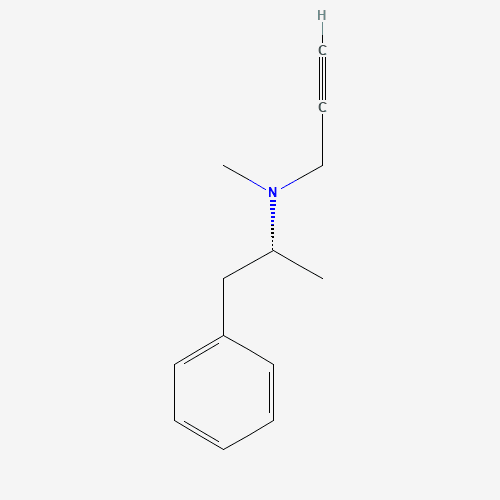
Selegiline is methamphetamine with a propargyl group on the nitrogen [10]. Joseph Knoll's group in Budapest created it in the 1960s, it became the first selective inhibitor of monoamine oxidase B, and it has been registered in more than 60 countries for Parkinson's disease, Alzheimer's disease and major depression, and used as an anti-aging drug [1].
Parkinson's disease. The DATATOP trial randomized 800 people with early, untreated Parkinson's disease to selegiline 10 mg a day, vitamin E, both or placebo. An interim analysis found that selegiline cut the risk of needing levodopa by 57% [11]; with longer follow-up the hazard ratio was 0.50 and the median delay about nine months (719 against 454 days). Vitamin E did nothing. The benefit was concentrated in the first year, with the hazard ratio rising from 0.35 in the first six months to 0.86 after 18 months, and motor scores improved on starting selegiline and worsened on stopping it, so the trial could not separate a protective effect from symptom relief [3]. Pooled across 17 trials, MAO-B inhibitors reduced the need for levodopa (odds ratio 0.57) and motor fluctuations (0.75) without changing mortality, and in the six selegiline trials with rating-scale data total scores were 2.7 points better than control at three months [4]. A 2023 meta-analysis of 27 randomized and 11 observational studies found the difference from placebo growing with time, from about 3.3 points at three months to 11 points at five years, at the cost of more adverse events, mostly neuropsychiatric [12]. In people already on levodopa with motor fluctuations, the dissolving tablet cut daily off time by about 2.2 hours at 12 weeks, against 0.6 hours on placebo [13].
The mortality scare. In 1995 the UK Parkinson's Disease Research Group reported that, in an open trial of 520 patients, those given selegiline with levodopa died at 1.57 times the rate of those on levodopa alone, with no clinical benefit [14]. Other evidence did not bear this out: DATATOP found no effect on survival over 8.2 years [15], a pooled analysis of five long-term trials gave a hazard ratio of 1.02 [16], and the 17-trial meta-analysis judged the UK result probably a chance finding, while noting that its confidence interval could not rule out a small increase [4].
Depression. At the 10 mg a day used for Parkinson's disease, oral selegiline did not lift depression in three weeks; at about 30 mg a day, a dose that is no longer selective, half of patients responded against 14% on placebo [17], and 60 mg a day helped treatment-resistant older patients [18]. Such doses bring back the tyramine reaction [19]. The skin patch was designed to inhibit MAO-A and MAO-B in the brain while largely sparing the gut and liver [20]. It beat placebo in three short adult trials, by a modest margin in two of them, and in a 52-week trial cut relapse from 30.7% to 16.8% [20][21][22][23]. In 308 adolescents it did no better than placebo [2]. A 2023 meta-analysis across psychiatric disorders found selegiline better than placebo for depression (standardized mean difference −0.96, ten trials) and atypical depression, with moderate confidence only for symptom reduction with the patch [5].
Other uses tried. For ADHD, two small Iranian trials found it no different from methylphenidate [24][25] and a crossover in 11 children reported gains in sustained attention and hyperactivity [26], but 20 or 60 mg a day did no better than placebo in 24 adults [27], a trial in children with Tourette's syndrome missed its primary outcome [28], and the pooled placebo-controlled trials showed no benefit [5]. In narcolepsy, 20 mg a day reduced sleepiness, sleep attacks and cataplexy over two weeks in 30 patients [29]. A multicenter trial reported fewer negative symptoms when selegiline was added to antipsychotics in schizophrenia [30], but pooled trials did not confirm it [5]. It failed for smoking cessation, by mouth and by patch, and for cocaine dependence [31][32][33].
Alzheimer's disease. In a two-year trial of 341 patients with moderately severe disease, neither selegiline nor vitamin E differed from placebo in the unadjusted analysis; after adjusting for higher baseline cognitive scores in the placebo group, selegiline delayed death, institutionalization, loss of basic daily activities or severe dementia by a median of about seven months, without any effect on cognitive test scores [34]. A Cochrane review of 17 trials found small short-term cognitive gains but no clinically meaningful benefit, and saw no justification for further trials [9].
Aging and the nootropic use. In 1988 Knoll reported that male rats given 0.25 mg/kg three times a week from two years of age lived on average 198 weeks against 147 for saline-treated rats, and that it restored sexual activity in 64 of 66 [7]. Later studies were mixed. Fischer rats lived about 7–15% longer in Kitani's studies [35][36], female but not male hamsters lived longer [37], mice gained 6–9% in pooled data [38] or nothing [8], Fischer rats given it in drinking water learned a water maze better but did not clearly live longer [39], male Wistar rats given 0.5 mg/kg died sooner [40], and old beagles lived longer only in a subgroup analysis [41]. Kitani concluded that the effect needs a dose within a certain range, and that higher doses may shorten life [36]. Knoll attributed the effect not to MAO-B but to a "catecholaminergic activity enhancer" action seen at much lower doses, and proposed 1 mg a day for life from sexual maturity [42][43]. No study has tested that in people.
MAO-B inhibition. Selegiline first binds monoamine oxidase B reversibly and then attaches covalently to its flavin cofactor, destroying the enzyme. PET shows it retained in regions rich in MAO-B, including the striatum, hippocampus, thalamus and substantia nigra [6]. Because the block is permanent, activity returns only as new enzyme is made: after people stopped taking it, brain MAO-B came back with a half-time of about 40 days [44]. MAO-B breaks down the trace amine phenylethylamine [43]; blocking it raises dopamine in the substantia nigra, and selegiline also inhibits dopamine reuptake [45].
Selectivity depends on dose and route. At 10 mg a day by mouth it leaves brain MAO-A, the enzyme that clears serotonin, norepinephrine and dietary tyramine, substantially intact [46]. At 30 mg a day tyramine sensitivity rose two- to fourfold and plasma levels of a norepinephrine metabolite fell, signs of MAO-A inhibition [19]; at 60 mg a day spinal-fluid metabolites of norepinephrine and serotonin fell by 51% and 17% [18]. Formulations that avoid first-pass metabolism give much higher selegiline levels: in healthy men, 10 mg a day of the dissolving tablet for 28 days inhibited brain MAO-A by 37% on PET, and the patch by 33% in three subjects, a difference that was not significant [46]. That loss of selectivity is thought to explain why the patch and high oral doses work in depression [46].
Amphetamine metabolites. Selegiline is metabolized to l-desmethylselegiline, l-methamphetamine and l-amphetamine, with no conversion to the d-forms [6][47]; the l-isomers have cardiovascular and psychological effects, weaker than those of the d-isomers [32]. After a 10 mg tablet the metabolite levels exceed those of selegiline itself [48]. Desmethylselegiline is itself an irreversible MAO-B inhibitor, but MAO-B inhibition tracked selegiline levels and not those of the metabolites [6][48]. The amphetamines have been discussed as a possible cause of selegiline's cardiovascular effects with levodopa [49].
The "enhancer" effect. Knoll's group argued that small doses of selegiline also make catecholamine neurons release more transmitter per nerve impulse, separately from MAO-B. Three weeks of 0.01–0.25 mg/kg a day raised dopamine and norepinephrine release from rat brain tissue and lowered serotonin release, and PPAP, an analog with no MAO-B activity, did the same [50][51][52]. In rat striatal slices, 10⁻¹⁰–10⁻⁹ M selegiline raised electrically evoked dopamine release without raising resting release; rasagiline, another MAO-B inhibitor, had no such effect and blocked selegiline's, as did the TAAR1 antagonist EPPTB, and the metabolite l-methamphetamine was also active at 10⁻⁹ M [53]. The group proposes that the enhancer effect works through TAAR1, a receptor for trace amines and amphetamines, and that it is what lengthened rat lifespans [42][53]. The evidence comes almost entirely from that laboratory's own assays, and how much the effect adds to MAO-B inhibition at clinical doses has not been tested in people.
Anti-apoptotic actions. In the cell and animal work reviewed by Tatton's group, selegiline and other propargylamines protected neurons independently of MAO-B by binding GAPDH and shifting protein synthesis away from cell death [54]. Selegiline also raised NGF and BDNF output from cultured astrocytes, but only at 0.4–0.5 mM [55]. These mechanisms were part of the rationale for neuroprotection trials, and no trial established protection in patients [3][9].
- Monoamine oxidase B (MAO-B)blocksstrong
- Monoamine oxidase A (MAO-A)blockslargely spared at 10 mg a day by mouth, but 30 mg a day raised tyramine sensitivity two- to fourfold, 60 mg a day lowered spinal-fluid metabolites of norepinephrine and serotonin, and 10 mg a day of the dissolving tablet inhibited brain MAO-A by 37% on PET; the patch inhibited it by 33% in three people, not significantly [18][19][46]moderate
- Glyceraldehyde-3-phosphate dehydrogenase (GAPDH) and apoptosis signalingmodulatespropargylamines such as selegiline bind GAPDH and, in the cell and animal work reviewed by Tatton's group, cut the synthesis of pro-apoptotic proteins and raise BCL-2, superoxide dismutase and HSP70 independently of MAO-B; not shown in patients [54]unclear
- Brain dopamineactivatesby blocking MAO-B it raises dopamine in the substantia nigra, and it also inhibits dopamine reuptake [45]moderate
- Impulse-evoked catecholamine release (catecholaminergic activity enhancer effect)activatesin rat striatal slices 10⁻¹⁰–10⁻⁹ M raised electrically evoked dopamine release without changing resting release, an effect rasagiline lacked and the TAAR1 antagonist EPPTB blocked; three weeks of 0.01–0.25 mg/kg a day raised dopamine and norepinephrine release from rat brain tissue and lowered serotonin release, which the MAO-B-free analog PPAP reproduced [50][53]unclear
- Active metabolites (l-desmethylselegiline, l-methamphetamine, l-amphetamine)activatesmoderate
- Neurotrophic factor synthesis (NGF, BDNF)activatesraised NGF and BDNF output from cultured mouse astrocytes, but only at 0.4–0.5 mM [55]weak
Formulation
how the form changes blood levelsThree forms are in use, and they differ more than their doses suggest.
Tablets and capsules. A 10 mg oral dose is absorbed quickly, peaks within an hour and has a half-life of about 1.5 hours, but most of it is metabolized before reaching the circulation: absolute bioavailability is about 4–10%, and levels vary widely between people [45][56]. Taking it with food raised exposure at least threefold [45].
Orally disintegrating tablet (Zydis selegiline, Zelapar). Placed on the tongue, it dissolves, and almost a third of the dose is absorbed through the mouth within a minute. In seven studies in 156 healthy volunteers, 1.25 mg gave selegiline levels and MAO-B inhibition similar to a 10 mg tablet, with peak metabolite levels about a tenth as high: 0.93 against 12.9 ng/mL of l-methamphetamine and 0.34 against 3.6 ng/mL of l-amphetamine [48]. At 10 mg a day it no longer spares brain MAO-A [46].
Transdermal patch (Emsam). Through the skin, 73% of the dose reaches the circulation, against 4% for a tablet, and plasma levels stay high and steady through the day [2][56]. Bypassing the gut is meant to inhibit MAO-A and MAO-B in the brain while largely sparing intestinal and liver MAO-A, which clears dietary tyramine [20]. At 6 mg/24 h, tyramine sensitivity rose by a factor of 1.85, similar to 10 mg tablets and more than 20 times less than with tranylcypromine [57].
Dosing
as studied or commonly reported; not a recommendationDoses below are what studies used or, where marked, what is commonly reported. None is a recommendation.
Oral
- 10 mg/day
- 10 mg/day341 people with moderately severe Alzheimer's disease; slower functional decline only after adjusting for a baseline imbalance, no cognitive benefit5 mg twice daily, morning and afternoon · 2 yearshuman study[34]
- 1.25 mg/day, later 2.5 mg/daypeople with Parkinson's disease and motor fluctuations on levodopa; reduced daily off timeorally disintegrating tablet · 12 weekshuman study[13]
- 10 mg/day, then about 30 mg/daydepressed outpatients; no effect at 10 mg, response in 50% against 13.6% on placebo at the higher dose3 weeks at each levelhuman study[17]
- 60 mg/day16 treatment-resistant older depressed patients, crossover against placebo; Hamilton scores fell 37% at a dose that is no longer MAO-B selective3 weekshuman study[18]
- 10 or 20 mg/day30 people with narcolepsy; 20 mg/day reduced daytime sleepiness, sleep attacks and cataplexy5 mg or 10 mg twice daily · 14 dayshuman study[29]
- 5–10 mg/day28 children with ADHD, against methylphenidate 1 mg/kg/day; no difference between the twodose adjusted for age and weight · 4 weekshuman study[24]
- 20 or 60 mg/day24 adults with ADHD; neither dose beat placebo, and side effects were worse at 60 mg6 weekshuman study[27]
- 10 mg/day101 smokers trying to quit; no effect on abstinence5 mg once daily for a week, then 5 mg twice daily · 9 weekshuman study[31]
- 2.5–10 mg/day18 healthy men, brain PET; only 10 mg inhibited brain MAO-Aorally disintegrating tablet · 28 dayshuman study[46]
Topical
- 6 mg/24 h322 adults with major depression who had responded; relapse in 16.8% on the patch against 30.7% on placebo, with no tyramine dietone transdermal patch a day · 10 weeks open, then 52 weeks randomizedhuman study[23]
- 6–12 mg/24 h265 adults with major depression, no tyramine diet; modest benefit over placeboone transdermal patch a day, raised if response was inadequate · 8 weekshuman study[22]
- 20 mg in a 20 cm² patch (the size later labeled 6 mg/24 h)
- 6–12 mg/24 h308 adolescents with major depression; no better than placeboone transdermal patch a day, starting at 6 mg and raised after 4 weeks if needed · 12 weekshuman study[2]
Subcutaneous injection
- 0.25–0.5 mg/kg (human equivalent ≈0.04–0.08 mg/kg)
- 0.001 or 0.1 mg/kg (human equivalent ≈0.16 µg/kg or 0.016 mg/kg)
- Form
- By mouth as selegiline hydrochloride tablets or capsules, usually of 5 mg [3][31]; as an orally disintegrating tablet (Zydis selegiline, Zelapar) of 1.25 mg, which dissolves on the tongue and is absorbed largely through the cheek [46][48]; and as a transdermal patch (Emsam) delivering 6, 9 or 12 mg over 24 hours from 20, 30 or 40 cm² [2].
- Timing and food
- In the Parkinson's and Alzheimer's trials the tablets were taken twice a day, in the morning and with the evening meal or in the afternoon [3][34]. Food raises absorption of the tablet at least threefold [45]. Insomnia is among its commonest side effects [5].
- Time to effect
- MAO-B is blocked within an hour of a dose [6]. Parkinson's ratings improved within the first three months of DATATOP [3], and the dissolving tablet reduced off time by weeks 4–6 [13]. The patch separated from placebo in depression from the first week in one trial [21].
- Notes
- The doses differ by route because absorption does. A 10 mg tablet gives roughly the same selegiline level as 1.25 mg of the dissolving tablet, with about ten times the amphetamine metabolites [48], and the patch delivers about 73% of its dose against 4% for a tablet [56]. Selectivity for MAO-B is a matter of dose. At 10 mg a day by mouth sensitivity to dietary tyramine barely changes, whereas 30 mg a day raised it two- to fourfold [19][57], and oral doses of 20 mg a day or more are counted as non-selective [5]. The 6 mg/24 h patch did not need a tyramine diet in trials, but a larger rise in tyramine sensitivity was seen at 12 mg/24 h [23][57]. Because MAO-B is inhibited irreversibly and human brain MAO-B takes about 40 days (half-time) to come back, the PET group that measured this suggested the standard 10 mg dose may be more than is needed [44]. No dose has been studied as an anti-aging or cognitive treatment in healthy people. Knoll proposed 1 mg a day from sexual maturity until death in 2001 [43]; that was a proposal in a review, not a tested regimen.
Pharmacokinetics
what the body does with it| Half-life | About 1.5 hours after a single 10 mg oral dose; with repeated dosing the half-lives of selegiline and desmethylselegiline rose at least fourfold [45]. The effect outlasts the drug: brain MAO-B takes about 40 days (half-time) to recover after stopping [44]. |
|---|---|
| Onset | Platelet MAO-B is almost fully inhibited within an hour of a 10 mg oral dose [6]. |
| Time to peak | Under an hour after an oral dose [45][56]. |
| Peak level | About 2 µg/L after 10 mg by mouth [45]. The 1.25 mg dissolving tablet gave a peak (1.52 ng/mL) similar to a 10 mg tablet (1.14 ng/mL) [48]. Median plasma levels on the patch were 1.31, 2.38 and 2.96 ng/mL at 6, 9 and 12 mg/24 h in adolescents [2]. |
| Bioavailability | About 4–10% by mouth, against 73% from the 6 mg/24 h patch, because most of an oral dose is metabolized on first pass [45][56]. Food raised peak level and exposure at least threefold [45]. Almost a third of a 10 mg dissolving tablet was absorbed before swallowing, mostly through the cheek, within a minute [48]. |
| Steady state | Selegiline and its metabolites accumulate with daily dosing [45]; plasma levels on the patch stayed roughly constant through each day's application [2]. |
| Metabolism | Mainly in the liver by cytochrome P450, to l-desmethylselegiline, l-methamphetamine and l-amphetamine, with no conversion to the d-forms; methamphetamine is the largest share [6][47]. Nine urinary metabolites have been identified, including norephedrine and p-hydroxyamphetamine [47]. Oral clearance far exceeds liver blood flow, pointing to metabolism outside the liver as well [45]. The patch and the dissolving tablet bypass much of this, giving more selegiline and far less metabolite [48][56]. |
| Excretion | Mainly in urine as metabolites [6]; 44–58% of a 2.5–10 mg dose appeared as urinary metabolites within two days [47]. |
Safety
risks and cautions, not medical adviceIn Parkinson's trials selegiline was generally well tolerated, though not free of side effects. In DATATOP, nausea, injuries and mild cardiac arrhythmias were more frequent with selegiline, including bradycardia with atrioventricular block in five people on selegiline and none on placebo alone, and liver enzymes were raised more often; blood pressure and pulse did not change [3]. The 2023 meta-analysis found adverse events in 62.1% on selegiline against 54.7% on placebo, the excess mainly neuropsychiatric [12]. With levodopa, head-up tilt caused orthostatic hypotension in 9 of 16 patients on selegiline, two of whom lost consciousness, and in none of 9 on levodopa alone; stopping selegiline reversed it [49]. In the Alzheimer's trial falls and syncope were more frequent in the treated groups [34].
In psychiatric trials the patch and tablets caused more insomnia and dry mouth than placebo, and the patch more skin reactions [5]. No hypertensive crisis occurred in the adult patch trials run without a tyramine diet or in the adolescent trial [2][22][23]. In the adolescent trial, three patients on the patch withdrew because of suicidal ideation [2].
The mortality signal from the UK trial was not confirmed by DATATOP, a pooled analysis of five trials or the 17-trial meta-analysis [4][14][15][16].
Interactions follow from the pharmacology. Higher doses and the non-oral forms inhibit MAO-A [19][46]. Combined with the MAO-A inhibitor moclobemide, tyramine sensitivity rose 8.4-fold, more than with either drug alone [59]. The manufacturer advised against combining it with antidepressants because of serotonin syndrome; a survey of Parkinson's investigators found possible serotonin syndrome in 0.24% of 4,568 patients given both, serious in 0.04%, and no deaths [60]. Intravenous methamphetamine during selegiline treatment did not add to the rise in heart rate or blood pressure in a small study in methamphetamine users [61], and the patch blunted some effects of intravenous cocaine [62].
Its metabolites make urine screens positive for methamphetamine and amphetamine, and only chiral analysis shows that they are the l-isomers [63]. DATATOP and the Alzheimer's trial used the urine test to check that patients were taking the drug [3][34].
- Insomnia and dry mouth more often than placebo across psychiatric trials, and skin reactions with the patch [5]
- In Parkinson's disease, more adverse events overall than placebo (62.1% against 54.7%), mainly neuropsychiatric [12]
- Nausea, mild cardiac arrhythmias including bradycardia with heart block, injuries and raised liver enzymes in DATATOP [3]
- Severe orthostatic hypotension in some patients also taking levodopa [49]
- Falls and syncope in the Alzheimer's trial [34]
- Peak-dose dyskinesia and on-off fluctuations were more frequent with selegiline plus levodopa in the UK trial [14]
- Tyramine: little change at 10 mg/day by mouth or with the 6 mg/24 h patch, but two- to fourfold more sensitivity at 30 mg/day and a larger rise at 12 mg/24 h [19][57]
- Antidepressants and other MAO inhibitors: serotonin syndrome is rare but reported, and moclobemide multiplied tyramine sensitivity [59][60]
- Urine drug screens read positive for methamphetamine and amphetamine; chiral testing identifies the l-isomers [63]
- The block is irreversible: brain MAO-B takes weeks to recover after stopping [44]
- With levodopa: orthostatic hypotension, dyskinesia and hallucinations [3][14][49]
- In the adolescent depression trial, three patients on the patch withdrew because of suicidal ideation [2]
- DATATOP could not separate symptom relief from neuroprotection: motor scores improved on starting and worsened on stopping, and the benefit waned after the first year [3]
- The Alzheimer's trial was positive only after adjusting for a baseline imbalance, with no cognitive benefit, and the Cochrane review found no clinically meaningful effect [9][34]
- Confidence in the psychiatric evidence is low or very low for most outcomes, moderate only for depressive symptoms with the patch [5]
- The ADHD trials are small and conflicting, and the pooled placebo-controlled result is null [5][25][27]
- Animal life-extension results are inconsistent across species, strains, doses and laboratories, and no human study has tested an anti-aging dose [8][36][39][40]
- The enhancer mechanism comes almost entirely from Knoll's laboratory and its collaborators [50][53]
- Oral pharmacokinetics are highly variable, with bioavailability of 4–10% [45][56]
- Several key trials, including the first DATATOP report, the oral depression trials and the patch trials, were read from their abstracts because the full texts are paywalled; the UK mortality trial and the tilt-table study are on PMC only as scanned pages and were also read from their abstracts
Interactions
documented pairs only, not exhaustive- any mao inhibitorcautionAdding the MAO-A inhibitor moclobemide raised tyramine pressor sensitivity 8.4-fold, more than either drug alone (2.4- and 1.3-fold), so dietary tyramine restriction becomes necessary [59]
- The manufacturer advised against combining selegiline with antidepressants because of serotonin syndrome; among 4,568 Parkinson's patients given both, 0.24% had possible serotonin syndrome and 0.04% serious symptoms [60]
- Adderallcaution
- VyvansecautionLisdexamfetamine acts as amphetamine, and selegiline adds its own amphetamine metabolites; no study has combined them [6]
- DL-PhenylalaninecautionL-phenylalanine is the precursor of phenylethylamine, which MAO-B clears; the combination was used deliberately to raise brain phenylethylamine in depression, in an uncontrolled series of 155 patients [64]
Knoll's group created selegiline in the 1960s, and in 1972 described it as the first highly selective inhibitor of MAO-B [1][10]. The DATATOP trial, begun in 1987, led its investigators to recommend it as an option for the initial treatment of early Parkinson's disease [3]. Its use in the United Kingdom dropped substantially after the 1995 mortality report [4].
Two new forms followed. The orally disintegrating tablet was designed to get more selegiline into the blood with fewer amphetamine metabolites [48], and the patch, approved in the United States in 2006 for major depression at 6, 9 and 12 mg/24 h [2], to deliver antidepressant doses without a tyramine diet at its lowest strength [56][57].
In parallel, Knoll's group developed PPAP and then BPAP to separate the enhancer effect from MAO-B inhibition [10], and in 2023 linked selegiline's enhancer effect to TAAR1 [53]. A 2016 review from the same laboratory called it the only enhancer available as a drug [1].
- Is selegiline a stimulant?
- Partly. It is metabolized to l-methamphetamine and l-amphetamine [6], and insomnia is a common side effect [5]. Unlike methamphetamine, it does not release dopamine from resting nerve endings in rat brain slices [53][65].
References
entry last reviewed 2026-10-14- [1]The significance of selegiline/(-)-deprenyl after 50 years in research and therapy (1965-2015).Miklya IMol Psychiatry 2016reviewPMID 27480491◌ unreviewed
- [2]A double-blind, placebo-controlled study of selegiline transdermal system in depressed adolescents.DelBello MP, Hochadel TJ, Portland KB et al.J Child Adolesc Psychopharmacol 2014RCT · humanPMID 24955812◌ unreviewed
- [3]Effects of tocopherol and deprenyl on the progression of disability in early Parkinson's disease.Parkinson Study GroupN Engl J Med 1993RCT · humanPMID 8417384◌ unreviewed
- [4]Monoamine oxidase type B inhibitors in early Parkinson's disease: meta-analysis of 17 randomised trials involving 3525 patients.Ives NJ, Stowe RL, Marro J et al.BMJ 2004meta-analysis · humanPMID 15310558◌ unreviewed
- [5]Efficacy and safety of selegiline across different psychiatric disorders: A systematic review and meta-analysis of oral and transdermal formulations.Rossano F, Caiazza C, Sobrino A et al.Eur Neuropsychopharmacol 2023meta-analysis · humanPMID 37087864◌ unreviewed
- [6]Pharmacokinetic aspects of l-deprenyl (selegiline) and its metabolites.Heinonen EH, Anttila MI, Lammintausta RAClin Pharmacol Ther 1994reviewPMID 7995016◌ unreviewed
- [7]The striatal dopamine dependency of life span in male rats. Longevity study with (-)deprenyl.Knoll JMech Ageing Dev 1988preclinical · animalPMID 3147347◌ unreviewed
- [8]Chronic treatment of aged mice with L-deprenyl produces marked striatal MAO-B inhibition but no beneficial effects on survival, motor performance, or nigral lipofuscin accumulation.Ingram DK, Wiener HL, Chachich ME et al.Neurobiol Aging 1993preclinical · animalPMID 8247225◌ unreviewed
- [9]Selegiline for Alzheimer's disease.Birks J, Flicker LCochrane Database Syst Rev 2003meta-analysis · humanPMID 12535396◌ unreviewed
- [10](-)1-(Benzofuran-2-yl)-2-propylaminopentane, [(-)BPAP], a selective enhancer of the impulse propagation mediated release of catecholamines and serotonin in the brain.Knoll J, Yoneda F, Knoll B et al.Br J Pharmacol 1999preclinical · animalPMID 10588928◌ unreviewed
- [11]Effect of deprenyl on the progression of disability in early Parkinson's disease.Parkinson Study GroupN Engl J Med 1989RCT · humanPMID 2509910◌ unreviewed
- [12]Efficacy and safety of selegiline for the treatment of Parkinson's disease: A systematic review and meta-analysis.Wang K, Liu ZH, Li XY et al.Front Aging Neurosci 2023meta-analysis · humanPMID 37113570◌ unreviewed
- [13]Zydis selegiline reduces off time in Parkinson's disease patients with motor fluctuations: a 3-month, randomized, placebo-controlled study.Waters CH, Sethi KD, Hauser RA et al.Mov Disord 2004RCT · humanPMID 15077240◌ unreviewed
- [14]
- [15]Mortality in DATATOP: a multicenter trial in early Parkinson's disease. Parkinson Study Group.Ann Neurol 1998RCT · humanPMID 9506548◌ unreviewed
- [16]Effect of selegiline on mortality in patients with Parkinson's disease: a meta-analysis.Olanow CW, Myllylä VV, Sotaniemi KA et al.Neurology 1998meta-analysis · humanPMID 9748034◌ unreviewed
- [17]A controlled study of the antidepressant efficacy and side effects of (-)-deprenyl. A selective monoamine oxidase inhibitor.Mann JJ, Aarons SF, Wilner PJ et al.Arch Gen Psychiatry 1989clinical trial · humanPMID 2491941◌ unreviewed
- [18]High-dose selegiline in treatment-resistant older depressive patients.Sunderland T, Cohen RM, Molchan S et al.Arch Gen Psychiatry 1994RCT · humanPMID 7519005◌ unreviewed
- [19]Enhanced pressor sensitivity to oral tyramine challenge following high dose selegiline treatment.Prasad A, Glover V, Goodwin BL et al.Psychopharmacology (Berl) 1988clinical trial · humanPMID 3145523◌ unreviewed
- [20]A double-blind, placebo-controlled trial of the safety and efficacy of selegiline transdermal system without dietary restrictions in patients with major depressive disorder.Amsterdam JDJ Clin Psychiatry 2003RCT · humanPMID 12633131◌ unreviewed
- [21]Transdermal selegiline in major depression: a double-blind, placebo-controlled, parallel-group study in outpatients.Bodkin JA, Amsterdam JDAm J Psychiatry 2002RCT · humanPMID 12411221◌ unreviewed
- [22]Selegiline transdermal system for the treatment of major depressive disorder: an 8-week, double-blind, placebo-controlled, flexible-dose titration trial.Feiger AD, Rickels K, Rynn MA et al.J Clin Psychiatry 2006RCT · humanPMID 17017821◌ unreviewed
- [23]Selegiline transdermal system in the prevention of relapse of major depressive disorder: a 52-week, double-blind, placebo-substitution, parallel-group clinical trial.Amsterdam JD, Bodkin JAJ Clin Psychopharmacol 2006RCT · humanPMID 17110814◌ unreviewed
- [24]Selegiline in the treatment of attention deficit hyperactivity disorder in children: a double blind and randomized trial.Akhondzadeh S, Tavakolian R, Davari-Ashtiani R et al.Prog Neuropsychopharmacol Biol Psychiatry 2003RCT · humanPMID 12921918◌ unreviewed
- [25]Selegiline in comparison with methylphenidate in attention deficit hyperactivity disorder children and adolescents in a double-blind, randomized clinical trial.Mohammadi MR, Ghanizadeh A, Alaghband-Rad J et al.J Child Adolesc Psychopharmacol 2004RCT · humanPMID 15650498◌ unreviewed
- [26]Placebo-controlled study examining effects of selegiline in children with attention-deficit/hyperactivity disorder.Rubinstein S, Malone MA, Roberts W et al.J Child Adolesc Psychopharmacol 2006RCT · humanPMID 16958566◌ unreviewed
- [27]Selegiline in adults with attention deficit hyperactivity disorder: clinical efficacy and safety.Ernst M, Liebenauer LL, Jons PH et al.Psychopharmacol Bull 1996RCT · humanPMID 8961775◌ unreviewed
- [28]A controlled trial of deprenyl in children with Tourette's syndrome and attention deficit hyperactivity disorder.Feigin A, Kurlan R, McDermott MP et al.Neurology 1996RCT · humanPMID 8780073◌ unreviewed
- [29]Selegeline hydrochloride treatment in narcolepsy. A double-blind, placebo-controlled study.Mayer G, Ewert Meier K, Hephata KClin Neuropharmacol 1995RCT · humanPMID 8665543◌ unreviewed
- [30]Double-blind, placebo-controlled, multicenter trial of selegiline augmentation of antipsychotic medication to treat negative symptoms in outpatients with schizophrenia.Bodkin JA, Siris SG, Bermanzohn PC et al.Am J Psychiatry 2005RCT · humanPMID 15677608◌ unreviewed
- [31]A double-blind, placebo-controlled, randomized clinical trial of oral selegiline hydrochloride for smoking cessation in nicotine-dependent cigarette smokers.Weinberger AH, Reutenauer EL, Jatlow PI et al.Drug Alcohol Depend 2010RCT · humanPMID 19939587◌ unreviewed
- [32]Selegiline transdermal system (STS) as an aid for smoking cessation.Kahn R, Gorgon L, Jones K et al.Nicotine Tob Res 2012RCT · humanPMID 21846661◌ unreviewed
- [33]Double-blind, placebo-controlled trial of selegiline transdermal system (STS) for the treatment of cocaine dependence.Elkashef A, Fudala PJ, Gorgon L et al.Drug Alcohol Depend 2006RCT · humanPMID 16730924◌ unreviewed
- [34]A controlled trial of selegiline, alpha-tocopherol, or both as treatment for Alzheimer's disease. The Alzheimer's Disease Cooperative Study.Sano M, Ernesto C, Thomas RG et al.N Engl J Med 1997RCT · humanPMID 9110909◌ unreviewed
- [35]Chronic treatment of (-)deprenyl prolongs the life span of male Fischer 344 rats. Further evidence.Kitani K, Kanai S, Sato Y et al.Life Sci 1993preclinical · animalPMID 8423709◌ unreviewed
- [36]Dose-dependency of life span prolongation of F344/DuCrj rats injected with (-)deprenyl.Kitani K, Kanai S, Miyasaka K et al.Biogerontology 2005preclinical · animalPMID 16463106◌ unreviewed
- [37]Chronic treatment of Syrian hamsters with low-dose selegiline increases life span in females but not males.Stoll S, Hafner U, Kränzlin B et al.Neurobiol Aging 1997preclinical · animalPMID 9258898◌ unreviewed
- [38]L-deprenyl treatment in aged mice slightly increases life spans, and greatly reduces fecundity by aged males.Archer JR, Harrison DEJ Gerontol A Biol Sci Med Sci 1996preclinical · animalPMID 8914495◌ unreviewed
- [39]Long-term treatment of male F344 rats with deprenyl: assessment of effects on longevity, behavior, and brain function.Bickford PC, Adams CE, Boyson SJ et al.Neurobiol Aging 1997preclinical · animalPMID 9263197◌ unreviewed
- [40]Long-term administration of (-)-deprenyl increases mortality in male Wistar rats.Gallagher IM, Clow A, Glover VJ Neural Transm Suppl 1998preclinical · animalPMID 9564632◌ unreviewed
- [41]Treatment with L-deprenyl prolongs life in elderly dogs.Ruehl WW, Entriken TL, Muggenburg BA et al.Life Sci 1997preclinical · animalPMID 9307048◌ unreviewed
- [42]Longevity study with low doses of selegiline/(-)-deprenyl and (2R)-1-(1-benzofuran-2-yl)-N-propylpentane-2-amine (BPAP).Knoll J, Miklya ILife Sci 2016preclinical · animalPMID 27777099◌ unreviewed
- [43]
- [44]Slow recovery of human brain MAO B after L-deprenyl (Selegeline) withdrawal.Fowler JS, Volkow ND, Logan J et al.Synapse 1994clinical trial · humanPMID 7839316◌ unreviewed
- [45]Clinical pharmacokinetics and pharmacodynamics of selegiline. An update.Mahmood IClin Pharmacokinet 1997reviewPMID 9260033◌ unreviewed
- [46]Evidence that formulations of the selective MAO-B inhibitor, selegiline, which bypass first-pass metabolism, also inhibit MAO-A in the human brain.Fowler JS, Logan J, Volkow ND et al.Neuropsychopharmacology 2015clinical trial · humanPMID 25249059◌ unreviewed
- [47]Metabolism of selegiline in humans. Identification, excretion, and stereochemistry of urine metabolites.Shin HSDrug Metab Dispos 1997other · humanPMID 9193866◌ unreviewed
- [48]A new formulation of selegiline: improved bioavailability and selectivity for MAO-B inhibition.Clarke A, Brewer F, Johnson ES et al.J Neural Transm (Vienna) 2003RCT · humanPMID 14628189◌ unreviewed
- [49]Autonomic effects of selegiline: possible cardiovascular toxicity in Parkinson's disease.Churchyard A, Mathias CJ, Boonkongchuen P et al.J Neurol Neurosurg Psychiatry 1997observational · humanPMID 9285463◌ unreviewed
- [50]Multiple, small dose administration of (-)deprenyl enhances catecholaminergic activity and diminishes serotoninergic activity in the brain and these effects are unrelated to MAO-B inhibition.Knoll J, Miklya IArch Int Pharmacodyn Ther 1994preclinical · animalPMID 7893186◌ unreviewed
- [51]Enhanced catecholaminergic and serotoninergic activity in rat brain from weaning to sexual maturity: rationale for prophylactic (-)deprenyl (selegiline) medication.Knoll J, Miklya ILife Sci 1995preclinical · animalPMID 7869839◌ unreviewed
- [52](-)Deprenyl and (-)1-phenyl-2-propylaminopentane, [(-)PPAP], act primarily as potent stimulants of action potential-transmitter release coupling in the catecholaminergic neurons.Knoll J, Miklya I, Knoll B et al.Life Sci 1996preclinical · animalPMID 8602114◌ unreviewed
- [53]Striking Neurochemical and Behavioral Differences in the Mode of Action of Selegiline and Rasagiline.Harsing LG, Timar J, Miklya IInt J Mol Sci 2023preclinical · animalPMID 37686140◌ unreviewed
- [54]Neuroprotection by deprenyl and other propargylamines: glyceraldehyde-3-phosphate dehydrogenase rather than monoamine oxidase B.Tatton W, Chalmers-Redman R, Tatton NJ Neural Transm (Vienna) 2003reviewPMID 12721812◌ unreviewed
- [55]Enhancer substances: selegiline and R-(-)-1-(benzofuran-2-yl)-2-propylaminopentane [(-)-BPAP] enhance the neurotrophic factor synthesis on cultured mouse astrocytes.Shimazu S, Tanigawa A, Sato N et al.Life Sci 2003preclinical · cellPMID 12679194◌ unreviewed
- [56]Pharmacokinetics and absolute bioavailability of selegiline following treatment of healthy subjects with the selegiline transdermal system (6 mg/24 h): a comparison with oral selegiline capsules.Azzaro AJ, Ziemniak J, Kemper E et al.J Clin Pharmacol 2007RCT · humanPMID 17715422◌ unreviewed
- [57]Tyramine pressor sensitivity during treatment with the selegiline transdermal system 6 mg/24 h in healthy subjects.Azzaro AJ, Vandenberg CM, Blob LF et al.J Clin Pharmacol 2006clinical trial · humanPMID 16855078◌ unreviewed
- [58]A simple practice guide for dose conversion between animals and human.Nair AB, Jacob SJ Basic Clin Pharm 2016reviewPMID 27057123◌ unreviewed
- [59]Tyramine pressor sensitivity in healthy subjects during combined treatment with moclobemide and selegiline.Korn A, Wagner B, Moritz E et al.Eur J Clin Pharmacol 1996RCT · humanPMID 8857072◌ unreviewed
- [60]Serotonin syndrome and the combined use of deprenyl and an antidepressant in Parkinson's disease. Parkinson Study Group.Richard IH, Kurlan R, Tanner C et al.Neurology 1997observational · humanPMID 9109902◌ unreviewed
- [61]A comprehensive assessment of the safety of intravenous methamphetamine administration during treatment with selegiline.Newton TF, De La Garza R, Fong T et al.Pharmacol Biochem Behav 2005RCT · humanPMID 16413604◌ unreviewed
- [62]Transdermal selegiline and intravenous cocaine: safety and interactions.Houtsmuller EJ, Notes LD, Newton T et al.Psychopharmacology (Berl) 2004clinical trial · humanPMID 14605792◌ unreviewed
- [63]Detection of l-Methamphetamine and l-Amphetamine as Selegiline Metabolites.Shin I, Choi H, Kang S et al.J Anal Toxicol 2021case report · humanPMID 32476010◌ unreviewed
- [64]L-deprenyl plus L-phenylalanine in the treatment of depression.Birkmayer W, Riederer P, Linauer W et al.J Neural Transm 1984other · humanPMID 6425455◌ unreviewed
- [65]Enhancer Regulation of Dopaminergic Neurochemical Transmission in the Striatum.Harsing LG, Knoll J, Miklya IInt J Mol Sci 2022preclinical · animalPMID 35955676◌ unreviewed