Vyvanse
also Lisdexamfetamine · Lisdexamfetamine dimesylate · Lisdexamphetamine · Elvanse
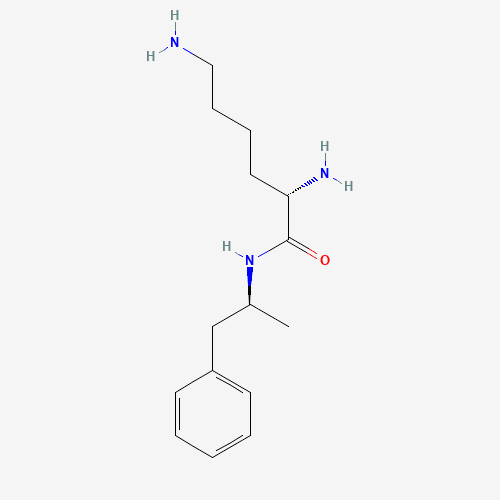
Vyvanse is lisdexamfetamine dimesylate, a prodrug converted in blood to dextroamphetamine. It has established ADHD efficacy and a separate US indication for moderate-to-severe binge-eating disorder in adults. [1][2] Its prodrug design changes delivery but does not remove stimulant adverse effects or misuse potential. [3]
A well-supported once-daily ADHD treatment; prodrug delivery does not make it non-addictive or free of cardiovascular effects.
- meta-analysis
- RCT
- trial
- observational
- preclinical / case
- review / patent / other
- retracted
- + Placebo-controlled ADHD benefit
- + Once-daily prodrug delivery
- − Appetite loss and insomnia
- − Amphetamine effects remain after metabolic conversion
Overview
In a four-week study of 420 adults, ADHD rating scores fell by 16.2, 17.4 and 18.6 points at 30, 50 and 70 mg/day, compared with 8.2 points on placebo. All doses beat placebo. The overall endpoint analysis did not find a significant difference between doses, although some weekly comparisons favored 70 over 30 mg. [1]
The evidence supports ADHD treatment, not a promise of better cognition in healthy adults. The US label also includes moderate-to-severe binge-eating disorder in adults, but explicitly does not indicate Vyvanse for weight loss or establish its efficacy for obesity. [2][4]
Mechanism
Lisdexamfetamine links dextroamphetamine to L-lysine. Hydrolysis, mainly in red blood cells, releases the active dextroamphetamine, which increases catecholamine signaling through monoamine transporters and release mechanisms. The intact prodrug is pharmacologically inactive at these targets. [5]
- Dopamine and noradrenaline transporters (via dextroamphetamine)modulatesThe active metabolite promotes catecholamine release; lisdexamfetamine itself is not the active transporter ligand. [5]strong
Formulation
how the form changes blood levelsIts duration comes from prodrug conversion and the active metabolite’s kinetics, rather than the delayed-release beads used by Adderall XR. Capsule and chewable-tablet formulations are described in the prescribing information. [2][5]
Dosing
as studied or commonly reported; not a recommendationDoses below are what studies used or, where marked, what is commonly reported. None is a recommendation.
Oral
- 30, 50 or 70 mg/day (lisdexamfetamine dimesylate)420 adults aged 18–55 with moderate-to-severe ADHDonce daily; higher-dose groups began at 30 mg and escalated weekly · 4 weekshuman study[1]
- Form
- Capsules and chewable tablets contain lisdexamfetamine dimesylate. The identity fields describe the free-base prodrug, not the dimesylate salt or the released dextroamphetamine. [2]
- Timing and food
- The label specifies morning administration, with or without food; food modestly delays the capsule’s dextroamphetamine peak. [2]
- Time to effect
- ADHD scores separated from placebo at the first weekly assessment in the adult trial. [1]
- Notes
- Reported trial doses are not conversion instructions for Adderall or methylphenidate. The separate 100 mg healthy-volunteer PK study used a dose above the labeled maximum to examine misuse-related effects, not ADHD treatment. [3]
Pharmacokinetics
what the body does with it| Half-life | Unconverted lisdexamfetamine averages less than 1 hour; dextroamphetamine averages about 10–11.3 hours in healthy adults. [2] |
|---|---|
| Time to peak | Dextroamphetamine peaks about 3.8 hours after a fasted 70 mg capsule in healthy adults; a high-fat meal delays this to about 4.7 hours. [2] |
| Metabolism | Red blood cells hydrolyze lisdexamfetamine to dextroamphetamine and L-lysine. Conversion of the prodrug is not CYP-mediated, although the active amphetamine still has clinically relevant interactions. [2] |
| Excretion | After a radiolabeled 70 mg dose, about 96% of radioactivity was recovered in urine over 120 hours; the label reports 42% of the dose as amphetamine-related material and 2% as intact lisdexamfetamine. [2] |
Safety
risks and cautions, not medical adviceA systematic safety review found decreased appetite in roughly 25–39% and insomnia in 11–19% of participants in short-term trials. Pediatric growth gains were reduced, and mean pulse and blood pressure rose modestly. Most trial events were mild or moderate, but selected participants and short follow-up limit detection of rare harms. [6]
A randomized crossover study of 24 healthy volunteers compared 100 mg lisdexamfetamine with an equimolar oral dextroamphetamine dose. Peak drug liking and cardiovascular effects did not differ significantly, despite a later onset with lisdexamfetamine. This was a high-dose, acute experiment, not a comparison of usual ADHD regimens. [3]
The US boxed warning covers abuse, misuse and addiction; serious cardiac disease and psychiatric adverse reactions remain relevant. [2]
- Appetite loss, insomnia, dry mouth, weight loss and increased pulse or blood pressure. [6]
- The comparative evidence is strongest for short-term ADHD symptom control. The 2018 network meta-analysis had insufficient data at 26 and 52 weeks, and most indirect comparisons had low or very low certainty. It does not establish cognitive enhancement in healthy people. [4]
- The safety review notes manufacturer sponsorship of the clinical trials, exclusion of many major comorbidities and selection of responders in longer extensions. [6]
Interactions
documented pairs only, not exhaustiveMAO inhibitors are contraindicated during treatment and for 14 days after stopping the MAO inhibitor because of hypertensive crisis risk. Serotonergic drugs and CYP2D6 inhibitors can increase serotonin-syndrome risk. Urinary alkalinizing agents increase amphetamine exposure; acidifying agents can lower it. These are interactions to review with the prescriber, not ways to adjust a dose independently. [2]
- any mao inhibitoravoidContraindicated during MAOI treatment and for 14 days afterward. [2]
- any stimulantcautionAdditional stimulants add pharmacologic exposure and may compound adverse effects; this is not evidence of benefit from stacking. [2]
FAQ
References
entry last reviewed 2026-09-21- [1]Double-blind, placebo-controlled study of the efficacy and safety of lisdexamfetamine dimesylate in adults with attention-deficit/hyperactivity disorder.Adler LA, Goodman DW, Kollins SH et al.J Clin Psychiatry 2008RCT · humanPMID 19012818◌ unreviewed
- [2]VYVANSE® (lisdexamfetamine dimesylate) capsules, for oral use, CII VYVANSE® (lisdexamfetamine dimesylate) chewable tablets, for oral use, CII Initial U.S. Approval: 2007DailyMed prescribing information 2026other◌ unreviewed
- [3]Pharmacokinetics and Pharmacodynamics of Lisdexamfetamine Compared with D-Amphetamine in Healthy Subjects.Dolder PC, Strajhar P, Vizeli P et al.Front Pharmacol 2017RCT · humanPMID 28936175◌ unreviewed
- [4]Comparative efficacy and tolerability of medications for attention-deficit hyperactivity disorder in children, adolescents, and adults: a systematic review and network meta-analysis.Cortese S, Adamo N, Del Giovane C et al.Lancet Psychiatry 2018meta-analysis · humanPMID 30097390◌ unreviewed
- [5]Amphetamine, past and present--a pharmacological and clinical perspective.Heal DJ, Smith SL, Gosden J et al.J Psychopharmacol 2013reviewPMID 23539642◌ unreviewed
- [6]A systematic review of the safety of lisdexamfetamine dimesylate.Coghill DR, Caballero B, Sorooshian S et al.CNS Drugs 2014reviewPMID 24788672◌ unreviewed