Ritalin
also Methylphenidate · Methylphenidate hydrochloride · Immediate-release methylphenidate · Ritalin IR
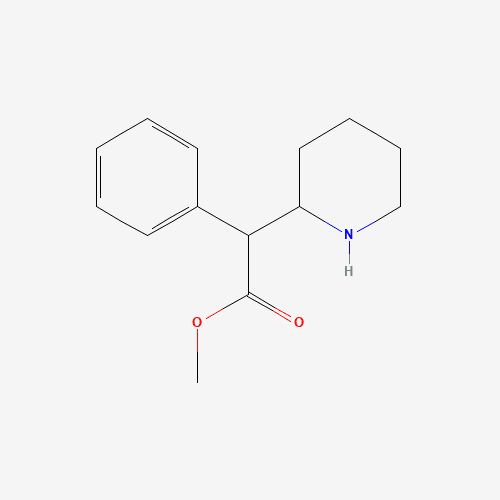
Ritalin tablets contain immediate-release methylphenidate hydrochloride, a prescription stimulant used for ADHD and narcolepsy. [1] ADHD efficacy is well supported, while its shorter delivery profile means that trial regimens often use multiple daily doses. [2][3] This page focuses on ordinary tablets, not the separate Ritalin LA formulation.
An established short-acting methylphenidate formulation; timing flexibility comes with repeated dosing and familiar stimulant risks.
- meta-analysis
- RCT
- trial
- observational
- preclinical / case
- review / patent / other
- retracted
- + Well-supported ADHD symptom reduction
- + Immediate-release dosing studied against longer-acting options
- − Repeated daytime dosing in many trial regimens
- − Appetite loss, insomnia and misuse potential
Overview
This entry concerns immediate-release Ritalin tablets. They contain the same active methylphenidate as Concerta but do not use its osmotic release system. The US tablet label includes ADHD and narcolepsy; the efficacy trials summarized here concern ADHD. [1][4]
In the 68-child formulation comparison, immediate-release methylphenidate three times daily and once-daily Concerta both improved behavior and schoolwork, with little difference on most outcomes and similar appetite and sleep effects. [3]
In a separate small Ritalin-versus-Adderall crossover, both drugs helped, but the tested Adderall doses produced longer effects on some measures. Unequal functional potency and intensive concurrent behavioral treatment limit any conclusion that one drug is universally better. [5]
Mechanism
Ritalin contains racemic threo-methylphenidate; its d-enantiomer is more pharmacologically active. It inhibits dopamine and noradrenaline reuptake, increasing catecholamine availability. It is not an amphetamine prodrug. [1][6]
Formulation
how the form changes blood levelsImmediate-release delivery produces earlier peaks and more fluctuation with repeated doses than Concerta. A later dose creates another absorption peak; this is different from the gradual delivery of an osmotic tablet. [7]
Dosing
as studied or commonly reported; not a recommendationDoses below are what studies used or, where marked, what is commonly reported. None is a recommendation.
Oral
- 5, 10 or 15 mg per dose (immediate-release methylphenidate)68 children aged 6–12 already taking methylphenidate; comparison with Concerta and placebothree times daily · 7 days per condition in a three-condition crossoverhuman study[3]
- 10 or 17.5 mg per dose (Ritalin)25 children with ADHD in a behavioral summer-treatment program; comparison with Adderall and placebotwice daily, at 7:45 am and 12:15 pm · 24 randomized treatment days within a 6-week crossoverhuman study[5]
- Form
- Immediate-release methylphenidate hydrochloride tablets; PubChem fields describe methylphenidate itself. Ritalin LA is a distinct release formulation and is outside this page’s dosing and PK scope. [1]
- Timing and food
- The tablet label describes divided dosing, preferably before meals, and warns about late dosing when sleep is affected. [1]
Pharmacokinetics
what the body does with it| Half-life | About 3 hours in the adult immediate-release comparator reported in the Concerta label; elimination half-life is not the same as duration of clinical benefit. [4][7] |
|---|---|
| Time to peak | About 2 hours after a 10 mg immediate-release tablet on average; substantial individual variation is reported. [1] |
| Peak level | Approximately 4.3 ± 2.3 ng/mL after a 10 mg tablet in the label’s PK data. [1] |
| Bioavailability | The label reports absolute oral bioavailability of 22 ± 8% for the d-enantiomer and 5 ± 3% for the l-enantiomer. [1] |
| Metabolism | Primarily de-esterified to ritalinic acid, which has little or no pharmacologic activity. [1] |
| Excretion | Within 48–96 hours, 78–97% of a dose is recovered in urine as metabolites; less than 1% is unchanged methylphenidate. [1] |
Safety
risks and cautions, not medical adviceCommon problems include appetite loss, insomnia and increased pulse or blood pressure. The US label carries a boxed warning for abuse, misuse and addiction. Serious cardiac disease, new psychotic or manic symptoms, circulation problems in fingers or toes, and reduced growth in children require clinical attention. Blood pressure, pulse, weight and pediatric growth are monitored during treatment. [1]
The tablet label also warns about rare priapism and glaucoma-related problems. Short dosing intervals do not remove the drug’s cardiovascular, psychiatric or misuse risks. [1]
- Appetite loss, insomnia, abdominal discomfort, nervousness and increased pulse or blood pressure. [1]
- The comparative evidence is strongest for short-term ADHD symptom control. The 2018 network meta-analysis had insufficient data at 26 and 52 weeks, and most indirect comparisons had low or very low certainty. It does not establish cognitive enhancement in healthy people. [2]
- The 68-child formulation comparison enrolled children already taking methylphenidate and included behavioral treatment; each treatment condition lasted only seven days. [3]
Interactions
documented pairs only, not exhaustiveMAO inhibitors are contraindicated during treatment and for 14 days after their discontinuation because of hypertensive crisis risk. Methylphenidate can oppose antihypertensive treatment; blood pressure needs monitoring. [1]
The Ritalin label additionally identifies halogenated anesthetics and dose changes during concurrent risperidone treatment as interactions requiring attention. [1]
- any mao inhibitoravoidContraindicated during MAOI treatment and within 14 days after discontinuation because of hypertensive crisis risk. [1]
- any stimulantcautionAdditional stimulants may compound cardiovascular and sleep effects; combined dosing needs a specific clinical rationale. [1]
FAQ
References
entry last reviewed 2026-09-21- [1]RITALIN® (methylphenidate hydrochloride) tablets, for oral use, CIIInitial U.S. Approval: 1955DailyMed prescribing information 2025other◌ unreviewed
- [2]Comparative efficacy and tolerability of medications for attention-deficit hyperactivity disorder in children, adolescents, and adults: a systematic review and network meta-analysis.Cortese S, Adamo N, Del Giovane C et al.Lancet Psychiatry 2018meta-analysis · humanPMID 30097390◌ unreviewed
- [3]Once-a-day Concerta methylphenidate versus three-times-daily methylphenidate in laboratory and natural settings.Pelham WE, Gnagy EM, Burrows-Maclean L et al.Pediatrics 2001clinical trial · humanPMID 11389303◌ unreviewed
- [4]CONCERTA® (methylphenidate hydrochloride) extended-release tablets, for oral use, CII Initial U.S. Approval: 2000DailyMed prescribing information 2026other◌ unreviewed
- [5]A comparison of ritalin and adderall: efficacy and time-course in children with attention-deficit/hyperactivity disorder.Pelham WE, Aronoff HR, Midlam JK et al.Pediatrics 1999RCT · humanPMID 10103335◌ unreviewed
- [6]Amphetamine, past and present--a pharmacological and clinical perspective.Heal DJ, Smith SL, Gosden J et al.J Psychopharmacol 2013reviewPMID 23539642◌ unreviewed
- [7]Single- and multiple-dose pharmacokinetics of an oral once-a-day osmotic controlled-release OROS (methylphenidate HCl) formulation.Modi NB, Lindemulder B, Gupta SKJ Clin Pharmacol 2000clinical trial · humanPMID 10761165◌ unreviewed