Intranasal Insulin
also INI · Nasal insulin · Insulin human · Regular insulin
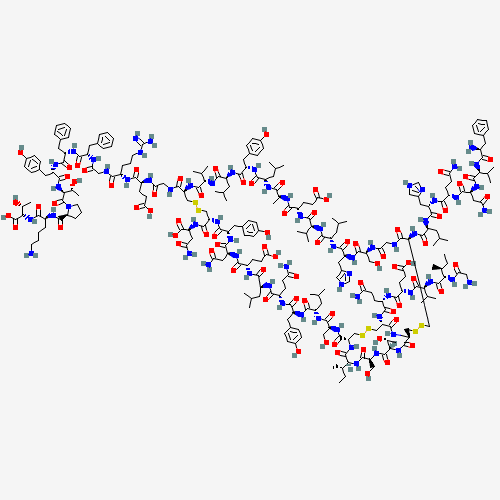
Intranasal insulin is ordinary human insulin sprayed high into the nose so that some of it travels into the brain, where insulin receptors are dense in memory regions, while blood insulin and glucose barely change [1][2]. Small trials found better memory in healthy adults and in people with mild cognitive impairment or Alzheimer's [3][4], but the largest trial, a 12-month phase 2/3 study in 289 people, found no benefit [5]. Several trials in older surgical patients reported less delirium after surgery [6].
A well-tolerated way to get insulin into the brain that improved memory in small early studies, but the largest Alzheimer's trial was negative and results swing with the nasal device, the dose and APOE genotype; the delirium findings are promising but come mostly from small single-center trials.
- meta-analysis
- RCT
- trial
- observational
- preclinical / case
- review / patent / other
- retracted
- + Reaches the cerebrospinal fluid in people with little rise in blood insulin at usual doses
- + Improved word-list recall and mood over 8 weeks in healthy young adults
- + Improved memory or slowed decline in small trials in mild cognitive impairment and Alzheimer's
- + Fewer cases of delirium after surgery in several trials in older patients
- + Single doses reduced food intake in healthy men
- + No symptomatic hypoglycemia at usual doses across 56 studies in a safety review
- − No benefit in the largest Alzheimer's trial, a 12-month phase 2/3 study
- − Results depend heavily on the nasal delivery device
- − Memory worsened in some APOE ε4 carriers in short studies
- − No weight loss in obese men, and no effect on mood in depression or on symptoms in schizophrenia
- − Nasal irritation, runny nose and nosebleeds
- − High doses spill into the blood; 240 IU caused hypoglycemia during surgery
Insulin is a peptide hormone made by the pancreas that, besides controlling blood glucose, acts in the brain [7]. Its receptors are densest in the olfactory bulb, hypothalamus, hippocampus, cerebral cortex, striatum and cerebellum [8]. Most brain insulin is thought to arrive from the blood through a saturable transport system, which works less well in obesity and perhaps in Alzheimer's disease [1]. Insulin sprayed into the nose travels along olfactory and trigeminal pathways and reaches the cerebrospinal fluid within 30 minutes while largely bypassing the bloodstream [1][2][9], so its effects on the brain can be studied without causing hypoglycemia [1]. Trials have used ordinary injectable insulin sprayed into the nose, an off-label use [10].
Healthy people. In 38 young adults, 40 IU four times a day for 8 weeks improved delayed recall of a word list (6.2 words versus 2.9 on placebo), reduced anger and raised self-confidence, with no change in blood glucose or insulin [3]. The rapid-acting analog insulin aspart improved recall more than regular insulin [11]. A single 160 IU dose improved spatial and working memory in women but not men [12], and 160 IU once daily for 8 weeks gave only slight memory gains, and only when taken in the evening [13]. A 2023 meta-analysis of 11 trials in 400 healthy people found no overall effect on cognition [14].
Mild cognitive impairment and Alzheimer's. In single-dose studies, memory improved in memory-impaired adults without the APOE ε4 allele but worsened slightly in carriers [15][16], and a single dose of rapid-acting glulisine had no effect on memory in 9 ε4 carriers with Alzheimer's [17]. In the first 4-month pilot trial (104 adults), 20 IU a day improved delayed story recall, both 20 and 40 IU a day preserved daily function, and the insulin groups lost less brain glucose metabolism on PET; the authors noted that the effects were small in absolute terms [4]. A later 4-month trial found that regular insulin improved memory but long-acting detemir did not [18]. Rapid-acting glulisine twice daily for 6 months did no better than placebo in 35 people [19].
The decisive test, the SNIFF phase 2/3 trial, randomized 289 people at 27 sites to 40 IU a day or placebo for 12 months. The original nasal device kept malfunctioning, so the main analysis used the 240 people given a second device; in them there was no difference in cognition, daily function or cerebrospinal fluid markers (ADAS-cog-12 difference 0.03 points, P = .98) [5]. The 49 people who used the first device showed a trend toward better cognition and improved Aβ42-to-Aβ40 and Aβ42-to-tau ratios in cerebrospinal fluid, which the authors cautioned may be chance or a difference in how well the devices delivered insulin [5]; a secondary analysis of that group reported slower growth of white matter lesions [20]. A 2023 meta-analysis found a small benefit on global cognition in mild cognitive impairment and Alzheimer's (standardized mean difference 0.22, 12 trials) [14], but a 2026 meta-analysis of 5 randomized trials (540 people) found no benefit on any cognitive, functional or biomarker outcome [21]. A 4-week trial of a higher dose, 160 IU a day, reported a nominal improvement on a cognitive composite, without correction for multiple comparisons [22].
Type 2 diabetes and older adults. One 40 IU dose improved visuospatial memory in older adults with and without type 2 diabetes [23]. In the 24-week MemAID trial (223 people), 40 IU daily did not improve cognition in those with diabetes, though they walked faster; in those without diabetes, executive function and verbal memory were better than on placebo [10].
Delirium. In older patients having major surgery, single-center trials in China reported less delirium: 12.5% versus 47.5% after 20 IU on the two days before gastrointestinal surgery [24], and 10.9% versus 26.6% with 40 IU daily around orthopedic or pancreatic surgery [25]. A meta-analysis of 7 such trials, all from China, found a 61% lower risk [26]. A 2026 network meta-analysis of 158 trials of delirium-prevention drugs ranked intranasal insulin among the effective options (odds ratio 0.13), with the benefit shown in elective abdominal surgery and the evidence rated moderate to very low quality [6]. In cardiac surgery, 40 or 80 IU given after induction of anesthesia did not significantly reduce delirium [27]. In 100 hospitalized older adults who already had delirium, long-acting insulin did not significantly shorten it overall, though hospital stays were shorter [28].
Other conditions. In bipolar disorder, 8 weeks improved one test of executive function out of a battery [29]; trials in treatment-resistant depression [30], schizophrenia [31] and multiple sclerosis [32] were negative. In Parkinson's disease a 14-person pilot reported better verbal fluency [33], but a 30-person dose-finding trial found no outcome that improved more than on placebo [34]. Insulin placed in the olfactory cleft twice a week improved smell in 38 people with hyposmia [35].
Appetite and weight. In healthy men, 40 IU four times a day for 8 weeks reduced body fat by 1.4 kg, while women gained 1 kg as body water [36]. The same regimen did not reduce weight or fat in obese men, though their memory and mood improved [37]. A single 40 IU dose cut breakfast intake by about 12% in men [38], and 160 IU after lunch reduced chocolate-cookie snacking in women [39].
Insulin binds the insulin receptor, a tyrosine kinase that recruits insulin receptor substrate proteins and signals through the PI3K–Akt and MAPK pathways [7][8]. Brain insulin receptors are enriched at synapses, where insulin regulates the trafficking of AMPA and NMDA receptors and the long-term potentiation and depression that underlie memory; it also enhances neurite outgrowth and modulates catecholamine release [1][8]. Neurons take up glucose mainly through GLUT3, which does not need insulin, so insulin influences rather than controls brain glucose use [8]. Insulin also affects how the amyloid β peptide is cleared and how tau is phosphorylated, and it acts on blood vessels and inflammation [7].
"Brain insulin resistance", a failure of brain cells to respond to insulin, has been shown in post-mortem hippocampus from people with Alzheimer's, which is the rationale for giving insulin to the brain; there is still no agreed way to measure it in living people [7][8].
After intranasal dosing in rats, labeled insulin traveled along the outside of the trigeminal nerve and through the spaces around brain blood vessels within 30 minutes, reached the cortex, hippocampus and hypothalamus, and activated insulin receptors [9]. In healthy men, 40 IU raised ATP and phosphocreatine in the brain within 10 minutes, and the size of the rise predicted how much less they ate afterward [38]. 160 IU lowered synaptic dopamine in the striatum [40] and, in lean but not obese men, improved whole-body insulin sensitivity, an effect linked to hypothalamic activity and parasympathetic output [1][41].
- Brain insulin receptoractivatesstrong
- Synaptic plasticitymodulatesmoderate
- Brain energy (ATP and phosphocreatine)activatesmoderate
- Striatal dopaminemodulates160 IU lowered synaptic dopamine in the ventral and dorsal striatum on raclopride PET in 10 healthy men [40]weak
- Food intakeblocksmoderate
- Whole-body insulin sensitivityactivatesimproved during a glucose clamp in lean men, linked to hypothalamic activity and parasympathetic output, but not in obese men [41]weak
- Memory in mild cognitive impairment and Alzheimer'smodulatesweak
Formulation
how the form changes blood levelsInsulin type. Over 8 weeks in healthy men, intranasal aspart improved recall more than regular insulin [11]. Long-acting detemir improved memory over 3 weeks in APOE ε4 carriers but worsened it in non-carriers [43]; over 4 months it did no better than placebo and was linked to smaller right hippocampal and cuneus volumes, while regular insulin improved memory [18]. Glulisine had no effect on cognition [19], and lispro could not be detected in human cerebrospinal fluid [44].
Device. Many trials used the ViaNase electronic atomizer, which releases a metered mist into a chamber over the nose that is breathed in over about 2 minutes [4]. In the SNIFF trial its added timer failed often, and the replacement device (Impel's I109 Precision Olfactory Delivery) was used in the null primary analysis [5]. Other trials used a cartridge pump system [22], the SipNose device [34] or simple 0.1 mL spray pumps [31][39]. The SNIFF investigators concluded that future devices should be shown to deliver insulin to the brain before efficacy is tested [5].
Additives. Regular insulin, detemir and similar products contain m-cresol, which has a noticeable coal-tar smell, so placebo sprays use the insulin diluent to keep participants blinded [1]. Porcine insulin given with an absorption enhancer (laureth-9) at about 1 unit per kilogram entered the blood and caused hypoglycemia in healthy volunteers [45].
Dosing
as studied or commonly reported; not a recommendationDoses below are what studies used or, where marked, what is commonly reported. None is a recommendation.
Nasal
- 10 or 20 IU twice daily (20 or 40 IU a day)adults with amnestic mild cognitive impairment or mild to moderate Alzheimer's (104); regular insulinafter breakfast and dinner · 4 monthshuman study[4]
- 20 IU twice daily (40 IU a day)
- 20 IU twice daily (40 IU a day), regular insulin or insulin detemiradults with mild cognitive impairment or Alzheimer's (36)30 minutes after breakfast and dinner · 4 monthshuman study[18]
- 20 or 40 IU of insulin detemir a day
- 20 IU of insulin glulisine twice daily
- 40 IU four times a day (160 IU a day)adults with mild cognitive impairment, early Alzheimer's or amyloid positivity (47)30 minutes before breakfast, lunch, dinner and bedtime · 4 weekshuman study[22]
- 10–60 IU
- 40 IUadults aged 50–85 with and without type 2 diabetes (223)once daily before breakfast · 24 weekshuman study[10]
- 40 IU four times a day (160 IU a day)
- 40 IU four times a day (160 IU a day)
- 40 IU four times a day (160 IU a day)
- 160 IU
- 160 IU
- 40 IUolder adults (mean age 69) having orthopedic or pancreatic surgery (140)once daily from 5 minutes before anesthesia until 3 days after surgeryhuman study[25]
- 20 IU of insulin detemir twice dailyhospitalized adults over 64 with delirium (100)until the delirium resolved or dischargehuman study[28]
- 10 or 20 IU twice daily
- 20, 40 or 80 IU a day, split into two doses
- 40 IUadults with Parkinson's disease or multiple system atrophy (16)once daily before breakfast · 4 weekshuman study[33]
- Form
- Trials have used ordinary injectable human insulin at 100 IU/mL sprayed into the nose, an off-label use [10]. Most used regular insulin (Novolin R, Humulin R or Actrapid); some tested the analogs aspart, detemir, glulisine and lispro (see Formulation) [11][18][19][44]. A simple spray puff of 0.1 mL holds 10 IU [38].
- Timing and food
- Twice-daily doses were usually taken after breakfast and dinner [4], and four-times-daily doses 30 minutes before meals and at bedtime [22]. In healthy men, once-daily 160 IU slightly improved word recall when taken in the evening, not the morning [13]. 160 IU reduced snacking when given after lunch, but not when given fasting [39].
- Time to effect
- Single doses changed memory scores on tests given 15 minutes later in memory-impaired older adults [16]. In healthy adults the improvement in delayed word recall was measured after 8 weeks of daily use [3]; in mild cognitive impairment and Alzheimer's, pilot trials saw memory gains by 2 months [4][18].
- Notes
- The best dose is unknown and the dose–response may be an inverted U: in memory-impaired adults without APOE ε4, single doses helped most at 20 IU, and in a 4-month trial 20 IU a day improved recall where 40 IU a day did not [4][16]. A 2025 trial chose 40 IU per dose because, in the investigators' unpublished work, it raised cerebrospinal fluid insulin more reliably than 20 IU [22]. The delivery device changes the outcome (see Formulation).
Pharmacokinetics
what the body does with it| Half-life | Not measured in the human brain. In mice given 2.4 IU intranasally, insulin cleared with a half-life of about 2 hours in brain and 3 hours in plasma [42]. |
|---|---|
| Onset | Insulin reached the cerebrospinal fluid within 30 minutes of an intranasal dose in healthy people, without passing through the bloodstream [2]. Brain energy compounds rose within 10 minutes of 40 IU [38], and striatal activity was lower 15 and 30 minutes after 160 IU [40]. |
| Time to peak | In mice, intranasal insulin peaked at 10 minutes in plasma and at 1 hour in brain [42]. |
| Peak level | Lispro, a rapid-acting analog, stayed below the limit of quantification in the cerebrospinal fluid of 8 volunteers even after 160 IU, although it was detectable in dogs [44]. |
| Bioavailability | Little reaches the blood at usual doses: 10–60 IU did not change plasma insulin or glucose in older adults [16], and single doses up to about 200 IU cause no large rise in blood insulin [1]. 80 IU lowered glucose by 0.4 mmol/L in surgical patients without diabetes [27]; 160 IU raised serum insulin, and 240 IU caused hypoglycemia in 2 of 3 patients [46]. In mice, the brain received about as much insulin as from the same dose injected under the skin, with roughly 1,500 times less in the blood [42]. |
| Metabolism | Insulin from the blood enters the brain by a saturable, receptor-mediated transport across the blood–brain barrier [1]. The nasal route bypasses the barrier, with insulin traveling along olfactory and trigeminal pathways and the spaces around brain blood vessels [1][9]. |
Safety
risks and cautions, not medical adviceAcross 38 single-dose studies (1,092 people) and 18 repeated-dose studies (832 people, 21 days to 9.7 years), a 2018 review found no symptomatic hypoglycemia and no severe adverse events; transient nasal symptoms were common with both insulin and placebo sprays, and the authors judged long-term safety data insufficient [47]. In healthy adults taking 60 IU daily for 3 weeks, rhinoscopy showed no nasal irritation and nasal clearance and airflow were unchanged, though 11 of 20 reported transient stinging or an unpleasant smell [48].
In the 4-month pilot trial in Alzheimer's, adverse events were more frequent on 20 IU a day than on placebo, mostly rhinitis and nosebleeds [4]. In the 12-month SNIFF trial adverse events were equally common on insulin and placebo; vascular disorders were 12.4% versus 5.0% (not significant, P = .07), and hippocampal volume fell slightly more on insulin [5]. A 2026 meta-analysis found more gastrointestinal adverse events (risk ratio 1.57) and fewer cardiovascular events with insulin [21]. In a Parkinson's trial, nasal irritation or nosebleeds affected nearly everyone, including on placebo, and one person on 80 IU a day stopped because of persistent nosebleeds [34].
Blood glucose is little affected at usual doses. In the 24-week MemAID trial, asymptomatic low glucose readings were similarly common on insulin and placebo, including in people with diabetes [10]. During cardiac surgery, 40 and 80 IU caused no hypoglycemia [27], but 240 IU caused it in 2 of 3 patients and 160 IU raised serum insulin [46]. HbA1c rose very slightly over 4 weeks of 160 IU a day [22].
Effects on memory were not always positive: single doses worsened recall in some memory-impaired APOE ε4 carriers [15][16], and 40 IU a day worsened memory in APOE ε4-negative women with mild cognitive impairment or Alzheimer's [49].
- Doses of 160 IU and above put measurable insulin into the blood, and 240 IU caused hypoglycemia [46]
- Absorption enhancers greatly increase uptake into the blood [45]
- Memory worsened after dosing in some APOE ε4 carriers [15][16]
- People with diabetes treated with insulin were excluded from most trials [4][5][10]
- The largest and longest trial, SNIFF, found no benefit in its primary analysis [5]
- Most positive Alzheimer's results come from small trials by one research group [4][18][43]
- How much insulin reaches the brain depends on the delivery device, which changed partway through the largest trial [5]
- Responses differ by APOE genotype and sex, in directions that are not consistent between studies [16][43][49]
- The delirium-prevention trials are mostly small single-center studies from China, with evidence rated moderate to very low quality [6][26]
- Long-term safety data are limited [47]
- Several of the healthy-volunteer, cerebrospinal fluid and safety-review papers cited here were read as abstracts only, because their full texts are paywalled
Interactions
documented pairs only, not exhaustive- any incretin agonistcaution
- Does intranasal insulin reach the brain?
- Insulin reached the cerebrospinal fluid within 30 minutes in healthy people [2], and in rats it traveled along the trigeminal nerve and around blood vessels into the brain [9]. The analog lispro could not be detected in human cerebrospinal fluid [44].
- Does it lower blood sugar?
- Not meaningfully at the usual 20–40 IU doses [10][47]. 80 IU lowered glucose slightly [27], and 240 IU caused hypoglycemia [46].
References
entry last reviewed 2026-10-16- [1]Intranasal insulin.Hallschmid MJ Neuroendocrinol 2021reviewPMID 33506526◌ unreviewed
- [2]Sniffing neuropeptides: a transnasal approach to the human brain.Born J, Lange T, Kern W et al.Nat Neurosci 2002clinical trial · humanPMID 11992114◌ unreviewed
- [3]Intranasal insulin improves memory in humans.Benedict C, Hallschmid M, Hatke A et al.Psychoneuroendocrinology 2004RCT · humanPMID 15288712◌ unreviewed
- [4]Intranasal insulin therapy for Alzheimer disease and amnestic mild cognitive impairment: a pilot clinical trial.Craft S, Baker LD, Montine TJ et al.Arch Neurol 2012RCT · humanPMID 21911655◌ unreviewed
- [5]Safety, Efficacy, and Feasibility of Intranasal Insulin for the Treatment of Mild Cognitive Impairment and Alzheimer Disease Dementia: A Randomized Clinical Trial.Craft S, Raman R, Chow TW et al.JAMA Neurol 2020RCT · humanPMID 32568367◌ unreviewed
- [6]Effectiveness of drug interventions to prevent delirium after surgery for older adults: systematic review and network meta-analysis of randomised controlled trials.Luney M, Holdsworth L, Hagana A et al.BMJ 2026meta-analysis · humanPMID 41690769◌ unreviewed
- [7]Brain insulin resistance in Alzheimer's disease and related disorders: mechanisms and therapeutic approaches.Kellar D, Craft SLancet Neurol 2020reviewPMID 32730766◌ unreviewed
- [8]Brain insulin resistance in type 2 diabetes and Alzheimer disease: concepts and conundrums.Arnold SE, Arvanitakis Z, Macauley-Rambach SL et al.Nat Rev Neurol 2018reviewPMID 29377010◌ unreviewed
- [9]Distribution of insulin in trigeminal nerve and brain after intranasal administration.Lochhead JJ, Kellohen KL, Ronaldson PT et al.Sci Rep 2019preclinical · animalPMID 30796294◌ unreviewed
- [10]MemAID: Memory advancement with intranasal insulin vs. placebo in type 2 diabetes and control participants: a randomized clinical trial.Novak V, Mantzoros CS, Novak P et al.J Neurol 2022RCT · humanPMID 35482079◌ unreviewed
- [11]Intranasal insulin improves memory in humans: superiority of insulin aspart.Benedict C, Hallschmid M, Schmitz K et al.Neuropsychopharmacology 2007RCT · humanPMID 16936707◌ unreviewed
- [12]Differential sensitivity of men and women to anorexigenic and memory-improving effects of intranasal insulin.Benedict C, Kern W, Schultes B et al.J Clin Endocrinol Metab 2008clinical trial · humanPMID 18230654◌ unreviewed
- [13]Metabolic and Cognitive Outcomes of Subchronic Once-Daily Intranasal Insulin Administration in Healthy Men.Ritze Y, Kern W, Ebner EM et al.Front Endocrinol (Lausanne) 2018RCT · humanPMID 30524368◌ unreviewed
- [14]Outcomes and clinical implications of intranasal insulin on cognition in humans: A systematic review and meta-analysis.Wu S, Stogios N, Hahn M et al.PLoS One 2023meta-analysis · humanPMID 37379265◌ unreviewed
- [15]Effects of intranasal insulin on cognition in memory-impaired older adults: modulation by APOE genotype.Reger MA, Watson GS, Frey WH et al.Neurobiol Aging 2006clinical trial · humanPMID 15964100◌ unreviewed
- [16]Intranasal insulin administration dose-dependently modulates verbal memory and plasma amyloid-beta in memory-impaired older adults.Reger MA, Watson GS, Green PS et al.J Alzheimers Dis 2008clinical trial · humanPMID 18430999◌ unreviewed
- [17]A single-dose pilot trial of intranasal rapid-acting insulin in apolipoprotein E4 carriers with mild-moderate Alzheimer's disease.Rosenbloom MH, Barclay TR, Pyle M et al.CNS Drugs 2014RCT · humanPMID 25373630◌ unreviewed
- [18]Effects of Regular and Long-Acting Insulin on Cognition and Alzheimer's Disease Biomarkers: A Pilot Clinical Trial.Craft S, Claxton A, Baker LD et al.J Alzheimers Dis 2017RCT · humanPMID 28372335◌ unreviewed
- [19]A Phase II, Single-Center, Randomized, Double-Blind, Placebo-Controlled Study of the Safety and Therapeutic Efficacy of Intranasal Glulisine in Amnestic Mild Cognitive Impairment and Probable Mild Alzheimer's Disease.Rosenbloom M, Barclay TR, Kashyap B et al.Drugs Aging 2021RCT · humanPMID 33719017◌ unreviewed
- [20]Intranasal Insulin Reduces White Matter Hyperintensity Progression in Association with Improvements in Cognition and CSF Biomarker Profiles in Mild Cognitive Impairment and Alzheimer's Disease.Kellar D, Lockhart SN, Aisen P et al.J Prev Alzheimers Dis 2021RCT · humanPMID 34101779◌ unreviewed
- [21]Intranasal insulin for mild cognitive impairment and Alzheimer's disease: A systematic review and meta-analysis of randomized controlled trials.Silva AMP, Gonçalves OR, Tudella GCN et al.Rev Neurol (Paris) 2026meta-analysis · humanPMID 41436338◌ unreviewed
- [22]A phase 2A/B randomized trial of metabolic modulators intranasal insulin and empagliflozin for MCI and early AD.Erichsen JM, Register TC, Sutphen C et al.Alzheimers Dement 2025RCT · humanPMID 41057918◌ unreviewed
- [23]Enhancement of vasoreactivity and cognition by intranasal insulin in type 2 diabetes.Novak V, Milberg W, Hao Y et al.Diabetes Care 2014RCT · humanPMID 24101698◌ unreviewed
- [24]Repeated Preoperative Intranasal Administration of Insulin Decreases the Incidence of Postoperative Delirium in Elderly Patients Undergoing Laparoscopic Radical Gastrointestinal Surgery: A Randomized, Placebo-Controlled, Double-Blinded Clinical Study.Huang Q, Li Q, Qin F et al.Am J Geriatr Psychiatry 2021RCT · humanPMID 33757723◌ unreviewed
- [25]Effect of intranasal insulin on perioperative cognitive function in older adults: a randomized, placebo-controlled, double-blind clinical trial.Sun M, Ruan X, Zhou Z et al.Age Ageing 2024RCT · humanPMID 39216470◌ unreviewed
- [26]The Role of Perioperative Intranasal Insulin Administration in Preventing Postoperative Delirium: A Systematic Review and Meta-Analysis of Randomized Controlled Trials.Amin AM, Mansour A, Sharkawy AM et al.Am J Geriatr Psychiatry 2026meta-analysis · humanPMID 41720686◌ unreviewed
- [27]Intranasal administration of 40 and 80 units of insulin does not cause hypoglycemia during cardiac surgery: a randomized controlled trial.Roque P, Nakadate Y, Sato H et al.Can J Anaesth 2021RCT · humanPMID 33721199◌ unreviewed
- [28]Long-acting intranasal insulin for the treatment of delirium-a randomised clinical trial.Nitchingham A, Close JCT, Harvey LA et al.Age Ageing 2025RCT · humanPMID 41091693◌ unreviewed
- [29]A randomized, double-blind, controlled trial evaluating the effect of intranasal insulin on neurocognitive function in euthymic patients with bipolar disorder.McIntyre RS, Soczynska JK, Woldeyohannes HO et al.Bipolar Disord 2012RCT · humanPMID 23107220◌ unreviewed
- [30]A randomized, double-blind, placebo-controlled, crossover trial evaluating the effect of intranasal insulin on cognition and mood in individuals with treatment-resistant major depressive disorder.Cha DS, Best MW, Bowie CR et al.J Affect Disord 2017RCT · humanPMID 28013123◌ unreviewed
- [31]No effect of adjunctive, repeated-dose intranasal insulin treatment on psychopathology and cognition in patients with schizophrenia.Fan X, Liu E, Freudenreich O et al.J Clin Psychopharmacol 2013RCT · humanPMID 23422397◌ unreviewed
- [32]Intranasal insulin for improving cognitive function in multiple sclerosis.Newsome SD, Fitzgerald KC, Hughes A et al.Neurotherapeutics 2025RCT · humanPMID 40253245◌ unreviewed
- [33]Safety and preliminary efficacy of intranasal insulin for cognitive impairment in Parkinson disease and multiple system atrophy: A double-blinded placebo-controlled pilot study.Novak P, Pimentel Maldonado DA, Novak VPLoS One 2019RCT · humanPMID 31022213◌ unreviewed
- [34]Safety and tolerability of intranasal insulin in Parkinson's disease.Johnson JC, Kashyap B, Gustafson SK et al.Front Neurol 2026RCT · humanPMID 42780868◌ unreviewed
- [35]Effect of Intranasal Insulin on Olfactory Recovery in Patients with Hyposmia: A Randomized Clinical Trial.Rezaeian AOtolaryngol Head Neck Surg 2018RCT · humanPMID 29557250◌ unreviewed
- [36]Intranasal insulin reduces body fat in men but not in women.Hallschmid M, Benedict C, Schultes B et al.Diabetes 2004RCT · humanPMID 15504987◌ unreviewed
- [37]Obese men respond to cognitive but not to catabolic brain insulin signaling.Hallschmid M, Benedict C, Schultes B et al.Int J Obes (Lond) 2008RCT · humanPMID 17848936◌ unreviewed
- [38]Intranasal insulin suppresses food intake via enhancement of brain energy levels in humans.Jauch-Chara K, Friedrich A, Rezmer M et al.Diabetes 2012RCT · humanPMID 22586589◌ unreviewed
- [39]Postprandial administration of intranasal insulin intensifies satiety and reduces intake of palatable snacks in women.Hallschmid M, Higgs S, Thienel M et al.Diabetes 2012RCT · humanPMID 22344561◌ unreviewed
- [40]Central Insulin Modulates Dopamine Signaling in the Human Striatum.Kullmann S, Blum D, Jaghutriz BA et al.J Clin Endocrinol Metab 2021RCT · humanPMID 34131733◌ unreviewed
- [41]Central insulin administration improves whole-body insulin sensitivity via hypothalamus and parasympathetic outputs in men.Heni M, Wagner R, Kullmann S et al.Diabetes 2014RCT · humanPMID 25028522◌ unreviewed
- [42]Pharmacokinetics of Intranasal versus Subcutaneous Insulin in the Mouse.Nedelcovych MT, Gadiano AJ, Wu Y et al.ACS Chem Neurosci 2018preclinical · animalPMID 29257872◌ unreviewed
- [43]Long-acting intranasal insulin detemir improves cognition for adults with mild cognitive impairment or early-stage Alzheimer's disease dementia.Claxton A, Baker LD, Hanson A et al.J Alzheimers Dis 2015RCT · humanPMID 25374101◌ unreviewed
- [44]An assessment of the central disposition of intranasally administered insulin lispro in the cerebrospinal fluid of healthy volunteers and beagle dogs.Lowe S, Sher E, Wishart G et al.Drug Deliv Transl Res 2017clinical trial · humanPMID 27553192◌ unreviewed
- [45]The intra-nasal administration of insulin induces significant hypoglycaemia and classical counterregulatory hormonal responses in normal man.Paquot N, Scheen AJ, Franchimont P et al.Diabete Metab 1988clinical trial · humanPMID 3292305◌ unreviewed
- [46]Safety of intranasal insulin administration in patients undergoing cardiovascular surgery: An open-label, nonrandomized, dose-escalation study.Nakadate Y, Kawakami A, Oguchi T et al.JTCVS Open 2024clinical trial · humanPMID 38420553◌ unreviewed
- [47]Safety of intranasal human insulin: A review.Schmid V, Kullmann S, Gfrörer W et al.Diabetes Obes Metab 2018meta-analysis · humanPMID 29508509◌ unreviewed
- [48]Intranasally administered insulin intended for prevention of type 1 diabetes--a safety study in healthy adults.Kupila A, Sipilä J, Keskinen P et al.Diabetes Metab Res Rev 2003RCT · humanPMID 12951650◌ unreviewed
- [49]Sex and ApoE genotype differences in treatment response to two doses of intranasal insulin in adults with mild cognitive impairment or Alzheimer's disease.Claxton A, Baker LD, Wilkinson CW et al.J Alzheimers Dis 2013RCT · humanPMID 23507773◌ unreviewed