Low-Dose Naltrexone
also LDN · Low dose naltrexone · Naltrexone · Naltrexone hydrochloride · ReVia
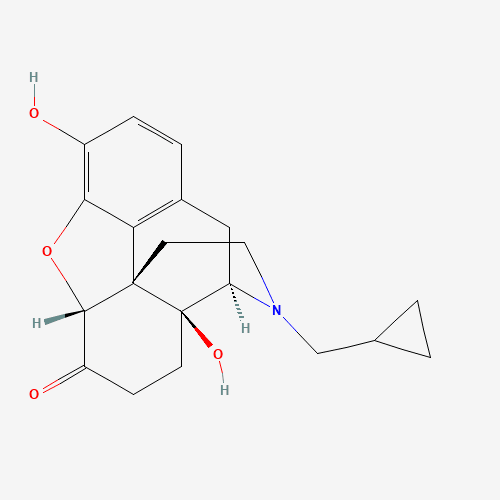
Low-dose naltrexone (LDN) is naltrexone, an opioid receptor antagonist licensed at 50 mg a day for alcohol and opioid dependence, taken off-label at about 1–5 mg a day for fibromyalgia, Crohn's disease, multiple sclerosis and other chronic conditions [1]. At 2–5 mg it blocks roughly a quarter to a half of the brain's mu-opioid receptors [2], and it is proposed to calm inflammatory glial cells as well [3]. Small early trials were positive, but the larger placebo-controlled trials in fibromyalgia and Crohn's disease were negative [4][5][6], and long COVID has no published randomized trial [7].
A cheap, well-tolerated off-label use of an old drug whose small positive trials have mostly not held up in larger ones; what remains is an unproven signal for pain and fatigue.
- meta-analysis
- RCT
- trial
- observational
- preclinical / case
- review / patent / other
- retracted
- + Small early trials in fibromyalgia, Crohn's disease and multiple sclerosis reported benefits over placebo
- + Side effects in trials were mostly mild, chiefly vivid dreams and nausea
- + Oral naltrexone did not raise serious adverse events over placebo across 89 trials
- + A generic drug that is inexpensive even when compounded
- − The largest placebo-controlled trials in fibromyalgia and Crohn's disease were negative
- − Long COVID evidence is uncontrolled, with no published randomized trial
- − Blocks opioid painkillers and can precipitate withdrawal in people taking them
- − Vivid dreams and nausea are more common than on placebo
LDN is not a new compound. It is naltrexone, licensed at 50 mg or more a day for alcohol and opioid dependence, taken at about a tenth of that dose. The practice began in the 1980s, when Dr Bihari gave 1.5–3 mg as an add-on treatment for AIDS; it has since spread to fibromyalgia, Crohn's disease, multiple sclerosis, complex regional pain syndrome and other conditions, almost entirely off-label [1].
Fibromyalgia. The two Stanford trials started the interest. In a single-blind pilot of 10 women, symptoms fell 32.5% on LDN against 2.3% on placebo [8]. In a double-blind crossover of 31 women, pain fell 28.8% on LDN against 18.0% on placebo, with better mood and life satisfaction but no change in fatigue or sleep [9]. The larger Danish trials did not reproduce this. A crossover of 58 patients found no difference on the Fibromyalgia Impact Questionnaire or pain ratings [4], and a 12-week parallel-group trial of 99 women on 6 mg found a between-group difference of 0.34 points on a 0–10 pain scale (95% CI −0.95 to 0.27), well short of significance; memory complaints may have improved, an exploratory finding [5]. Meta-analyses of these trials disagree: one pooling four trials (222 patients) found lower pain scores but no difference in the impact questionnaire [10], while another pooling eight studies found improvement from baseline but none over placebo [11].
Crohn's disease. An open-label pilot of 17 adults reported a response in 89% and remission in 67% [12]. In a 40-patient double-blind trial from the same group, 88% on naltrexone and 40% on placebo had a 70-point fall in the disease activity index, and endoscopic response was 78% against 28%; two of its authors hold a patent on naltrexone for inflammatory bowel disease [13]. The 2018 Cochrane review judged that trial and a pediatric pilot low-certainty evidence, and found clinical remission (30% against 18%) not significantly different [14]. A multicenter Dutch trial of 41 patients was then stopped for futility: endoscopic remission was 5.6% on LDN against 18.8% on placebo, and clinical remission 22% against 70%, though fatigue scores improved on LDN [6].
Multiple sclerosis. In a crossover trial of 80 patients (60 completed), 8 weeks of 4.5 mg nightly improved mental-health quality-of-life scores, such as 3.3 points on the SF-36 mental component [15]. A 17-week Iranian trial of 96 patients found no difference in quality of life [16]. An open-label pilot in 40 people with primary progressive MS found it safe, with less spasticity [17]. When LDN use surged in Norway, people with MS who started it did not go on to use fewer MS medicines [18].
Long COVID. A 2026 meta-analysis found no published randomized trial. Four uncontrolled before-and-after studies (155 patients) showed moderate improvements in fatigue, brain fog, sleep, pain and daily function, at low certainty; four randomized trials are registered [7]. Two of the four studies were an Irish clinic cohort on 1–3 mg [19] and a Stanford chart review of 59 patients on 0.5–6 mg [20].
Other uses. As an add-on for major depression, a 12-patient trial missed its primary outcome but scored better than placebo on one secondary scale, the MADRS [21]. A Norwegian register study found that people with hypothyroidism who started LDN did not go on to use less thyroid hormone [22]. Claims for cancer rest mainly on case reports in people and on cell and animal work [23], and the dermatological reports (Hailey-Hailey disease, lichen planopilaris) are case reports and small series [24].
Naltrexone is a competitive opioid antagonist with its highest affinity for the mu-opioid receptor [1][3]. The full 50 mg dose blocks more than 90% of brain mu receptors for at least two days. Low doses block a fraction: on PET, 2 mg and 5 mg blocked about 27% and 49% within 8 hours [2]. Two ideas try to explain why partial blockade might help.
Opioid rebound. A short, incomplete blockade each day is proposed to make the body compensate by producing more endogenous opioids and opioid receptors [3]. Zagon and McLaughlin argue that the length of blockade matters more than the dose: intermittent blockade of the opioid growth factor receptor slows cell proliferation, while continuous blockade speeds it [25]. They found serum [Met5]-enkephalin low in people with MS and restored in those taking LDN [26]. The premise that fibromyalgia involves an opioid deficit is not well supported: a full 50 mg challenge changed neither pain sensitivity nor mood in women with fibromyalgia or in controls [27].
Glial cells. In cell experiments naltrexone also blocks toll-like receptor 4, an innate-immune receptor on microglia, and does so with both its opioid-active (−) and opioid-inactive (+) forms [28]. A single spinal injection of the (+)-isomer eased nerve-injury pain in rats [28], and it blocked TLR4-driven release of nitric oxide and TNF-α from microglia [29]. The proponents of this idea note that the data do not fit it perfectly [3]. The cell experiments used 10 µM, about 3.4 mg/L [28], while plasma naltrexone after 4.5 mg measured 0.33–0.66 µg/L [4], several thousand times lower.
Human biomarker data are thin. Plasma cytokines fell over 8 weeks in eight women with fibromyalgia, in a study where no placebo was actually given [30]; serum cytokines did not change in an IBD cohort [31]. In the fibromyalgia pilot, a higher baseline sedimentation rate, a marker of inflammation, predicted a better response [8].
- Mu-opioid receptorblockson PET, single oral doses of 2 mg and 5 mg blocked about 27% and 49% of brain mu-opioid receptors within 8 hours, against more than 90% for at least 49 hours after 50 mg [2]moderate
- Kappa-opioid receptorblocksnaltrexone's estimated affinity for kappa receptors is about half that for mu, and for delta receptors about 79 times lower [2]unclear
- Toll-like receptor 4 (microglia)blocksunclear
- Opioid growth factor receptor ([Met5]-enkephalin)modulatesunclear
Dosing
as studied or commonly reported; not a recommendationDoses below are what studies used or, where marked, what is commonly reported. None is a recommendation.
Oral
- 4.5 mg10 women with fibromyalgia, single-blind crossover pilotonce daily, about an hour before bed · 8 weeks, after 2 weeks of placebohuman study[8]
- 4.5 mg
- 4.5 mg58 adults with fibromyalgia, double-blind crossoveronce daily · about 3 weeks per crossover periodhuman study[4]
- 1.5 mg, raised by 1.5 mg a week to 6 mg
- 0.75–6 mg25 women with fibromyalgia, single-blind dose-finding studydose stepped up or down by 0.75 mg from one participant to the nexthuman study[32]
- 4.5 mg17 adults with active Crohn's disease, open-label pilotonce daily in the evening · 12 weekshuman study[12]
- 4.5 mg40 adults with moderate-to-severe Crohn's disease, double-blind trialonce daily at bedtime · 12 weeks, then 12 weeks open-labelhuman study[13]
- 0.1 mg/kg, up to 4.5 mg14 children aged 8–17 with moderate-to-severe Crohn's disease, double-blind pilotonce daily · 8 weeks, then 8 weeks open-labelhuman study[33]
- 4.5 mg41 adults with mild-to-moderate Crohn's disease, double-blind trial stopped for futilityonce daily · 12 weekshuman study[6]
- 4.5 mg80 adults with multiple sclerosis (60 completed), double-blind crossovernightly · 8 weeks per crossover periodhuman study[15]
- 1 mg, raised by 1 mg a month to 3 mg38 adults with long COVID, uncontrolled before-and-after studyonce daily · 2–3 monthshuman study[19]
- 0.5–6 mg, individually titrated
- 1 mg12 adults with major depression breaking through on dopaminergic antidepressants, double-blind add-on trialtwice daily · 3 weekshuman study[21]
- Form
- The licensed product is a 50 mg tablet. When the Stanford group reviewed LDN in 2014 there was no commercial low-dose formulation, and trials used naltrexone hydrochloride compounded into gelatin capsules, typically with a microcrystalline cellulose filler [3][8]; the review put the cost at about US$35 a month including compounding [3]. LDN means roughly 1–5 mg a day; doses below 1 mg (very-low and ultra-low dose naltrexone) are a separate practice, used alongside opioids [1].
- Timing and food
- Most trials gave it once a day, about an hour before bed [8][13]. The Stanford group moved people with insomnia to morning dosing and dropped the dose to 3 mg for side effects [3].
- Time to effect
- In the fibromyalgia pilot the effect peaked after about 4 weeks [8]. In the positive Crohn's trial, naltrexone and placebo did not differ at weeks 4 or 8, only at week 12 [13]. The Stanford group found that separation from placebo took at least a month and judged two months necessary to estimate efficacy [3].
- Notes
- These are trial doses, not advice. A Danish up-and-down study estimated the dose that helped half of women with fibromyalgia at 3.88 mg and 95% of them at 5.40 mg [32]. The full texts of the Iranian MS trial and the primary progressive MS pilot were unavailable, so their doses are not listed.
Pharmacokinetics
what the body does with it| Half-life | About 4 hours for naltrexone and 12–13 hours for its active metabolite 6β-naltrexol after oral doses [1][34]. Brain receptor blockade outlasts the plasma level: after 50 mg it declined with an estimated half-life of 72 hours [2]. |
|---|---|
| Time to peak | After 4.5 mg, plasma naltrexone and 6β-naltrexol probably peaked 30–45 minutes after the dose [4]. |
| Peak level | After a first 4.5 mg dose, mean levels at 30 minutes were 0.66 µg/L naltrexone and 4.61 µg/L 6β-naltrexol. After 21 days of daily dosing, samples taken 1–3 hours after the dose had medians of 0.33 µg/L and 5.29 µg/L [4]. |
| Bioavailability | Absorption is near complete [1], but extensive first-pass metabolism left about 5% of a dose reaching the circulation as naltrexone in one study [34]; a first-pass loss of about 80% was measured after 100 mg [35], and reviews give a range of 5–40% [1]. Exposure rose in proportion to dose from 50 to 200 mg [34]. |
| Metabolism | Mostly converted to 6β-naltrexol, itself an opioid antagonist [1]. After 4.5 mg, 6β-naltrexol levels were more than ten times those of naltrexone [4]. |
| Excretion | Less than 1% of a dose is excreted in urine as naltrexone over 48 hours, against about 25% as unconjugated 6β-naltrexol [34]. |
Safety
risks and cautions, not medical adviceAt low doses, side effects in trials were mostly mild. Pooled fibromyalgia trials found more vivid dreams (odds ratio 2.97) and nausea (2.75) than on placebo, with no difference in headache, diarrhea, dizziness or serious adverse events [10]. In the 99-woman Danish trial, 84% on LDN and 86% on placebo had an adverse event, and 8% and 6% stopped because of one [5]. In the Dutch Crohn's trial, 12 patients on LDN and 6 on placebo reported minor events, mostly sleep disturbance and headache, with no serious events, and liver enzymes stayed within acceptable ranges [6].
Across 89 placebo-controlled trials of oral naltrexone at all doses (11,194 participants), naltrexone did not increase serious adverse events (risk ratio 0.84, 95% CI 0.66–1.06); nausea, dizziness and vomiting were somewhat more common [36]. The liver warning on full-dose naltrexone came from 1980s studies at up to 300 mg a day, and the US boxed warning was removed in 2013 [36]. Liver tests stayed stable in the Crohn's trials in adults and children [13][33].
The main hazard is opioids. Even a low dose may blunt opioid pain relief, and the trials excluded people taking opioid painkillers [3]. A 66-year-old man on long-term opioids went into severe precipitated withdrawal after starting 1 mg [37]. Physicians have also reported anxiety and a fast heart rate anecdotally [3].
- The positive trials are small (10–80 people) and short, and several were crossover or single-blind [8][9][15]
- The larger placebo-controlled trials in fibromyalgia and the newest Crohn's trial were negative [4][5][6]
- The positive Crohn's trials came from investigators holding a patent on naltrexone for inflammatory bowel disease [13][33]
- Long COVID evidence is uncontrolled before-and-after data, with no published randomized trial [7]
- The anti-inflammatory mechanism rests on cell and animal work at concentrations far above those measured in people [4][28]
- Norwegian register studies found no fall in other medicines after starting LDN for MS or hypothyroidism [18][22]
- Human evidence for LDN in cancer consists mainly of case reports [23]
Interactions
documented pairs only, not exhaustiveNaltrexone blocks the receptors that opioid painkillers act on. In people taking opioids it can reduce pain relief [3] and has precipitated severe withdrawal at 1 mg [37]. Among Norwegians who used opioids before starting LDN, those who kept collecting it used 46% less opioid in the following year; the authors could not tell whether that reflected warnings against combining them or an effect of LDN [38]. Beyond opioids, no interaction studies at low doses have been published [3].
Naltrexone was synthesized in 1963 and approved in the US in 1984 for opioid addiction [3]. Low doses entered use in the 1980s through Dr Bihari's off-label treatment of AIDS [1].
Norway shows how fast the practice can spread. After a television documentary in 2013, the share of Norwegians collecting LDN went from negligible to 0.3% of the population (15,297 people in the prescription database, and more outside it). Users had a median age of 52, 74% were women, the median daily dose was 3.7 mg, and 20% of all Norwegian doctors wrote at least one prescription [39].
- Is LDN a different drug from naltrexone?
- No. It is the same molecule at roughly a tenth of the licensed dose, usually 1–5 mg a day instead of 50 mg or more [1].
- Does LDN work for fibromyalgia?
- The evidence is mixed. Two small Stanford trials were positive [8][9], but the two larger Danish trials found no benefit over placebo [4][5], and meta-analyses disagree [10][11].
- Can it be taken with opioid painkillers?
- The trials excluded opioid users and its developers warned it may blunt opioid pain relief [3]. At 1 mg it has precipitated severe withdrawal in a man on long-term opioids [37].
- How long does it take to work?
- In trials the separation from placebo took at least a month, and two months were judged necessary to estimate an effect [3]; the positive Crohn's trial saw a difference only at 12 weeks [13].
- Does it help Hashimoto's or an underactive thyroid?
- There are no trials. In Norway, people with hypothyroidism who started LDN did not go on to need less thyroid hormone [22].
References
entry last reviewed 2026-10-14- [1]Low-Dose Naltrexone (LDN)-Review of Therapeutic Utilization.Toljan K, Vrooman BMed Sci (Basel) 2018reviewPMID 30248938◌ unreviewed
- [2]Opioid antagonism in humans: a primer on optimal dose and timing for central mu-opioid receptor blockade.Trøstheim M, Eikemo M, Haaker J et al.Neuropsychopharmacology 2023other · humanPMID 35978096◌ unreviewed
- [3]The use of low-dose naltrexone (LDN) as a novel anti-inflammatory treatment for chronic pain.Younger J, Parkitny L, McLain DClin Rheumatol 2014reviewPMID 24526250◌ unreviewed
- [4]Low-dose naltrexone for treatment of pain in patients with fibromyalgia: a randomized, double-blind, placebo-controlled, crossover study.Bested K, Jensen LM, Andresen T et al.Pain Rep 2023RCT · humanPMID 38226027◌ unreviewed
- [5]Naltrexone 6 mg once daily versus placebo in women with fibromyalgia: a randomised, double-blind, placebo-controlled trial.Due Bruun K, Christensen R, Amris K et al.Lancet Rheumatol 2024RCT · humanPMID 38258677◌ unreviewed
- [6]Low-Dose Naltrexone in Crohn's Disease: A Prematurely Terminated Randomized Trial Showing Reduced Fatigue Without Clinical or Endoscopic Benefit.van de Pol N, Paulides E, Wolfhagen FHJ et al.Dig Dis Sci 2026RCT · humanPMID 42701992◌ unreviewed
- [7]Effect of low-dose naltrexone for long COVID: a systematic review and meta-analysis.Byambasuren O, Atkins T, Baptista S et al.BMJ Open 2026meta-analysis · humanPMID 42463201◌ unreviewed
- [8]Fibromyalgia symptoms are reduced by low-dose naltrexone: a pilot study.Younger J, Mackey SPain Med 2009clinical trial · humanPMID 19453963◌ unreviewed
- [9]Low-dose naltrexone for the treatment of fibromyalgia: findings of a small, randomized, double-blind, placebo-controlled, counterbalanced, crossover trial assessing daily pain levels.Younger J, Noor N, McCue R et al.Arthritis Rheum 2013RCT · humanPMID 23359310◌ unreviewed
- [10]Efficacy and safety of low-dose naltrexone for the management of fibromyalgia: a systematic review and meta-analysis of randomized controlled trials with trial sequential analysis.Vatvani AD, Patel P, Hariyanto TI et al.Korean J Pain 2024meta-analysis · humanPMID 39344363◌ unreviewed
- [11]Efficacy of Low-Dose Naltrexone in Treating Patients with Fibromyalgia: systematic Review and Meta-Analysis.Ologunowa A, Otoo MN, Caffrey AR et al.J Pain Palliat Care Pharmacother 2025meta-analysis · humanPMID 40272382◌ unreviewed
- [12]Low-dose naltrexone therapy improves active Crohn's disease.Smith JP, Stock H, Bingaman S et al.Am J Gastroenterol 2007clinical trial · humanPMID 17222320◌ unreviewed
- [13]Therapy with the opioid antagonist naltrexone promotes mucosal healing in active Crohn's disease: a randomized placebo-controlled trial.Smith JP, Bingaman SI, Ruggiero F et al.Dig Dis Sci 2011RCT · humanPMID 21380937◌ unreviewed
- [14]Low dose naltrexone for induction of remission in Crohn's disease.Parker CE, Nguyen TM, Segal D et al.Cochrane Database Syst Rev 2018meta-analysis · humanPMID 29607497◌ unreviewed
- [15]Pilot trial of low-dose naltrexone and quality of life in multiple sclerosis.Cree BA, Kornyeyeva E, Goodin DSAnn Neurol 2010RCT · humanPMID 20695007◌ unreviewed
- [16]The effect of low-dose naltrexone on quality of life of patients with multiple sclerosis: a randomized placebo-controlled trial.Sharafaddinzadeh N, Moghtaderi A, Kashipazha D et al.Mult Scler 2010RCT · humanPMID 20534644◌ unreviewed
- [17]A pilot trial of low-dose naltrexone in primary progressive multiple sclerosis.Gironi M, Martinelli-Boneschi F, Sacerdote P et al.Mult Scler 2008clinical trial · humanPMID 18728058◌ unreviewed
- [18]Low dose naltrexone in multiple sclerosis: Effects on medication use. A quasi-experimental study.Raknes G, Småbrekke LPLoS One 2017observational · humanPMID 29099849◌ unreviewed
- [19]Safety and efficacy of low dose naltrexone in a long covid cohort; an interventional pre-post study.O'Kelly B, Vidal L, McHugh T et al.Brain Behav Immun Health 2022clinical trial · humanPMID 35814187◌ unreviewed
- [20]Low-dose naltrexone use for the management of post-acute sequelae of COVID-19.Bonilla H, Tian L, Marconi VC et al.Int Immunopharmacol 2023observational · humanPMID 37804660◌ unreviewed
- [21]Randomized, proof-of-concept trial of low dose naltrexone for patients with breakthrough symptoms of major depressive disorder on antidepressants.Mischoulon D, Hylek L, Yeung AS et al.J Affect Disord 2017RCT · humanPMID 27736689◌ unreviewed
- [22]No change in the consumption of thyroid hormones after starting low dose naltrexone (LDN): a quasi-experimental before-after study.Raknes G, Småbrekke LBMC Endocr Disord 2020observational · humanPMID 33004044◌ unreviewed
- [23]Naltrexone's Impact on Cancer Progression and Mortality: A Systematic Review of Studies in Humans, Animal Models, and Cell Cultures.Liubchenko K, Kordbacheh K, Khajehdehi N et al.Adv Ther 2021meta-analysis · humanPMID 33337537◌ unreviewed
- [24]Utility of Naltrexone Treatment for Chronic Inflammatory Dermatologic Conditions: A Systematic Review.Ekelem C, Juhasz M, Khera P et al.JAMA Dermatol 2019meta-analysis · humanPMID 30484835◌ unreviewed
- [25]Duration of opioid receptor blockade determines biotherapeutic response.McLaughlin PJ, Zagon ISBiochem Pharmacol 2015reviewPMID 26119823◌ unreviewed
- [26]Featured Article: Serum [Met5]-enkephalin levels are reduced in multiple sclerosis and restored by low-dose naltrexone.Ludwig MD, Zagon IS, McLaughlin PJExp Biol Med (Maywood) 2017observational · humanPMID 28766982◌ unreviewed
- [27]Effects of naltrexone on pain sensitivity and mood in fibromyalgia: no evidence for endogenous opioid pathophysiology.Younger JW, Zautra AJ, Cummins ETPLoS One 2009RCT · humanPMID 19365548◌ unreviewed
- [28]Non-stereoselective reversal of neuropathic pain by naloxone and naltrexone: involvement of toll-like receptor 4 (TLR4).Hutchinson MR, Zhang Y, Brown K et al.Eur J Neurosci 2008preclinical · animalPMID 18662331◌ unreviewed
- [29]Pharmacological characterization of the opioid inactive isomers (+)-naltrexone and (+)-naloxone as antagonists of toll-like receptor 4.Wang X, Zhang Y, Peng Y et al.Br J Pharmacol 2016preclinical · animalPMID 26603732◌ unreviewed
- [30]Reduced Pro-Inflammatory Cytokines after Eight Weeks of Low-Dose Naltrexone for Fibromyalgia.Parkitny L, Younger JBiomedicines 2017clinical trial · humanPMID 28536359◌ unreviewed
- [31]Low dose Naltrexone for induction of remission in inflammatory bowel disease patients.Lie MRKL, van der Giessen J, Fuhler GM et al.J Transl Med 2018clinical trial · humanPMID 29523156◌ unreviewed
- [32]Low-Dose Naltrexone for the Treatment of Fibromyalgia: Investigation of Dose-Response Relationships.Bruun-Plesner K, Blichfeldt-Eckhardt MR, Vaegter HB et al.Pain Med 2020RCT · humanPMID 32068870◌ unreviewed
- [33]Safety and tolerability of low-dose naltrexone therapy in children with moderate to severe Crohn's disease: a pilot study.Smith JP, Field D, Bingaman SI et al.J Clin Gastroenterol 2013RCT · humanPMID 23188075◌ unreviewed
- [34]Bioequivalence, dose-proportionality, and pharmacokinetics of naltrexone after oral administration.Meyer MC, Straughn AB, Lo MW et al.J Clin Psychiatry 1984clinical trial · humanPMID 6469932◌ unreviewed
- [35]Estimation of the systemic availability and other pharmacokinetic parameters of naltrexone in man after acute and chronic oral administration.Kogan MJ, Verebey K, Mule SJRes Commun Chem Pathol Pharmacol 1977clinical trial · humanPMID 905632◌ unreviewed
- [36]Serious adverse events reported in placebo randomised controlled trials of oral naltrexone: a systematic review and meta-analysis.Bolton M, Hodkinson A, Boda S et al.BMC Med 2019meta-analysis · humanPMID 30642329◌ unreviewed
- [37]Acute Precipitated Opioid Withdrawal With Akathisia, Delirium, and Lactic Acidosis from Low-Dose Naltrexone for Chronic Pain: Case Report.Naumann J, Naumann TPain Med Case Rep 2023case report · humanPMID 40929607◌ unreviewed
- [38]Low-dose naltrexone and opioid consumption: a drug utilization cohort study based on data from the Norwegian prescription database.Raknes G, Småbrekke LPharmacoepidemiol Drug Saf 2017observational · humanPMID 28370746◌ unreviewed
- [39]A sudden and unprecedented increase in low dose naltrexone (LDN) prescribing in Norway. Patient and prescriber characteristics, and dispense patterns. A drug utilization cohort study.Raknes G, Småbrekke LPharmacoepidemiol Drug Saf 2017observational · humanPMID 27670755◌ unreviewed