Fenbendazole
also Panacur · Fenbendazol · Phenbendasol · Fenbendazolum · Hoe 881v
Fenbendazole is a veterinary dewormer. It is on this site because of a cancer claim that spread online from 2019 onwards, and the honest summary of that claim is short: there is no clinical trial evidence that fenbendazole treats cancer in humans [1]. It does have real anti-proliferative activity in cell and animal models, through the same tubulin mechanism that kills worms [2][3]. It also has real documented harm in people who have taken it for cancer: multiple published cases of severe drug-induced liver injury, including in a patient on immunotherapy where the liver damage was initially mistaken for an immune-related adverse event [4][5][6]. A 2025 case series reporting benefit in three self-administering patients has been retracted [7].
A veterinary antiparasitic with genuine preclinical anticancer activity, no human trial of any kind, a retracted case series, and several published cases of severe liver injury in people who took it for cancer.
- meta-analysis
- RCT
- trial
- observational
- preclinical / case
- review / patent / other
- retracted
- + Anti-proliferative activity in cancer cell lines and mouse models, through microtubule disruption
- + Cheap, widely available and with a long veterinary safety record in animals
- + A plausible drug-repurposing candidate that reviewers argue deserves proper clinical trials
- − No human clinical trial of any kind has been conducted
- − Multiple published cases of severe drug-induced liver injury in people self-medicating for cancer
- − The best-known case series reporting benefit has been retracted
- − Not approved for human use anywhere, at any dose, for any indication
- − Poorly absorbed in humans, with pharmacokinetics that have never been characterised for this purpose
Overview
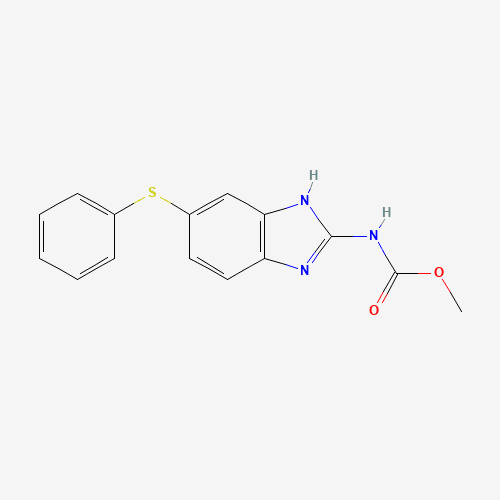
What it actually is. Fenbendazole is a benzimidazole carbamate anthelmintic licensed for dogs, cattle, horses and other animals. Its relatives albendazole and mebendazole are licensed for human parasitic infections; fenbendazole is not approved for humans anywhere [1].
Where the cancer claim came from. In 2019 an American patient with small-cell lung cancer publicised his recovery and attributed it to fenbendazole taken alongside conventional treatment. The claim spread rapidly online, and self-administration followed - notably in South Korea, where the phenomenon was written up as "fenbendazole fever" [8]. The published commentary at the time was cautious, asking whether anthelmintics could be anticancer drugs and concluding the question was open [9].
What the preclinical evidence shows. It is real, and it is preclinical. Fenbendazole has antitumour activity against cervical cancer cells and xenografts, acting on both cancer cells and cancer stem cells [2]. Transcriptome analysis with in vitro and in vivo work supports activity in ovarian cancer [3], and PLGA nanoparticle formulation improves it by addressing the compound's poor solubility [10]. A 2024 review argued that fenbendazole's low cost, safety profile in animals and anti-proliferative activity make it the benzimidazole of choice to investigate - and stated explicitly that clinical trials are crucial before repurposing, because its human pharmacokinetics are unknown [1].
What the human evidence shows. There is no clinical trial. None. The publication most often cited as human evidence - a 2025 case series of three self-administering patients in Case Reports in Oncology - has been retracted [7]. A retracted paper is not weak evidence; it is withdrawn from the record.
What is documented in humans is harm. A histologically confirmed case of severe hepatocellular drug-induced liver injury from self-administered fenbendazole, normalising three months after stopping [4]. A cancer patient who took 2 g daily and developed cholestasis with lobular and portal inflammation; the case report notes fenbendazole is reported to cause cholangitis and liver failure in humans [5]. And a patient on nivolumab/relatlimab who developed severe hepatocellular injury after increasing her self-administered fenbendazole dose - a structured causality assessment scored fenbendazole as probable, and immunotherapy was successfully reintroduced afterwards with no recurrence [6].
That last case is the most consequential. Liver injury in a patient on a checkpoint inhibitor is ordinarily attributed to the immunotherapy, which means stopping a working cancer treatment. Here it was the dewormer.
Mechanism
Benzimidazoles bind beta-tubulin and prevent microtubule polymerisation. In parasitic worms this collapses the cytoskeleton and starves the organism; the selectivity comes from a higher affinity for nematode tubulin than for mammalian tubulin [1].
The anticancer hypothesis rests on that residual mammalian activity: microtubule disruption is a well-established anticancer mechanism - vinca alkaloids and taxanes work that way - and rapidly dividing tumour cells are more vulnerable to it than most normal tissue. Preclinical work reports additional effects on cancer stem cells and on transcriptional programmes [2][3].
The gap between that and a treatment is the usual one, and here it is unusually wide. Fenbendazole is barely soluble and poorly absorbed, so the concentrations that kill cells in a dish may be unreachable in a human tumour at any tolerable oral dose - which is exactly why researchers have turned to nanoparticle formulations [10]. Nobody has measured what plasma or tissue concentrations human self-dosing actually produces [1]. Without that, the preclinical potency figures cannot be translated into anything.
- Microtubules (beta-tubulin)blocksstrong
- Cancer cell proliferationblocksmoderate
- Tumour response in humansno bindingunclear
- Livermodulatessevere hepatocellular drug-induced liver injury, histologically confirmed, resolving three months after stopping [4]; cholestasis with lobular and portal inflammation after 2 g daily [5]; and severe hepatocellular injury in a patient on nivolumab/relatlimab, with causality assessment scoring fenbendazole as probable [6]moderate
Formulation
how the form changes blood levelsSold as veterinary granules, paste and oral suspension, formulated and dosed for animals. There is no human-use product, no human dosage form and no pharmaceutical quality standard for human consumption.
The poor aqueous solubility that limits absorption is the formulation problem the research literature is trying to solve, so far only in animals [10].
Dosing
as studied or commonly reported; not a recommendationDoses below are what studies used or, where marked, what is commonly reported. None is a recommendation.
Oral
- 2 g dailya cancer patient self-medicating; developed cholestasis with lobular and portal inflammationdaily · weekshuman study[5]
- Notes
- No human dose has been studied in a trial, and no safe human dose is known. The single dose figure above is not a recommendation - it is what one patient took before developing liver injury [5]. Fenbendazole is a veterinary medicine and is not approved for human use anywhere. Doses circulating online derive from anecdote and from veterinary labelling for other species, not from any human study.
Pharmacokinetics
what the body does with it| Half-life | Not characterised in humans. Fenbendazole is poorly water-soluble and poorly absorbed, and the review literature identifies its pharmacokinetics as a central unknown for any human use [1] |
|---|---|
| Bioavailability | Low and variable. Poor solubility is why nanoparticle formulations have been investigated in animal models [10] |
| Metabolism | In animals it is oxidised to oxfendazole and other metabolites; the human metabolic profile relevant to sustained high dosing has not been published [1] |
Safety
risks and cautions, not medical adviceIn humans the documented events are liver injuries. Three published case reports describe severe drug-induced liver injury in people taking fenbendazole for cancer: histologically confirmed hepatocellular injury that normalised three months after cessation [4]; cholestasis with lobular and portal inflammation in a patient taking 2 g daily [5]; and severe hepatocellular injury in a patient on combination immunotherapy [6]. The Norwegian case report notes fenbendazole is reported to cause cholangitis and liver failure in humans [5].
The immunotherapy confound is a specific, serious hazard. Checkpoint-inhibitor hepatitis and fenbendazole-induced liver injury look alike. Misattributing the second to the first means stopping effective cancer treatment and starting steroids for the wrong reason. The 2026 case report exists precisely to make that point, and concludes that proactive patient counselling is needed because of the significant liver risks [6].
The "it's safe in animals" argument does not transfer. A wide margin in dogs at deworming doses for a few days says nothing about a human taking grams daily for months. Human pharmacokinetics have never been characterised [1].
On the retracted case series. The three-patient series in Case Reports in Oncology reporting benefit from self-administration has been retracted [7]. It should not be cited as evidence, and anyone who encountered the fenbendazole claim through it is working from a withdrawn source.
- Not approved for human use anywhere, for any indication, at any dose
- Tell your oncologist: fenbendazole liver injury is readily mistaken for checkpoint-inhibitor hepatitis, and the consequence is stopping cancer treatment that is working [6]
- The most-cited report of human benefit has been retracted and should not be relied on [7]
- Preclinical anticancer activity is not evidence of benefit in people; the review literature says trials must come first [1]
- No human clinical trial of any kind has been conducted [1]
- The case series reporting human benefit has been retracted [7]
- Human pharmacokinetics are uncharacterised, so preclinical concentrations cannot be translated to a dose [1]
- Poor solubility and absorption may make effective tumour concentrations unreachable orally [10]
Interactions
documented pairs only, not exhaustiveThe documented interaction concern is with cancer immunotherapy, and it is one of diagnosis rather than pharmacology: fenbendazole-induced liver injury is readily mistaken for checkpoint-inhibitor hepatitis in a patient on nivolumab or similar agents, with the consequence that the immunotherapy is stopped unnecessarily [6].
Benzimidazoles more generally are substrates and modulators of hepatic metabolism, and hepatotoxicity risk would be expected to compound with other hepatotoxic drugs. No formal interaction studies exist for human use, because there is no human use to study.
Anyone taking this alongside cancer treatment should tell their oncologist. That is the single most useful thing on this page.
History
Fenbendazole has been a veterinary anthelmintic since the 1970s. The anticancer interest dates from 2019 and a widely shared personal account, after which self-administration spread internationally - the Korean wave was documented as "fenbendazole fever" in 2022 [8], and editorials asked whether anthelmintics might be repurposed [9].
Preclinical publications followed in ovarian and cervical cancer models [2][3][10], and a 2024 review surveyed the evidence and called for clinical trials [1]. Meanwhile the case reports of liver injury accumulated from 2024 [4][5][6], and the 2025 case series reporting benefit was retracted [7].
FAQ
- Does fenbendazole treat cancer in humans?
- There is no clinical trial evidence that it does. The 2024 review states that trials are crucial before repurposing, and the case series most often cited as human evidence has been retracted [1][7].
- But doesn't it kill cancer cells in studies?
- It has genuine anti-proliferative activity in cell lines and mouse models, through microtubule disruption [2][3]. Whether an oral dose in a person reaches those concentrations is unknown, because human pharmacokinetics have never been measured [1].
- Is it safe because it's used in animals?
- No. There are three published cases of severe drug-induced liver injury in people taking it for cancer, including cholestasis at 2 g daily [4][5][6].
- What if I'm on immunotherapy?
- Tell your oncologist. Fenbendazole liver injury looks like checkpoint-inhibitor hepatitis, and mistaking one for the other means stopping cancer treatment that is working [6].
- What about the famous case series?
- It has been retracted [7].
References
entry last reviewed 2026-09-19- [1]Oral Fenbendazole for Cancer Therapy in Humans and Animals.Nguyen J, Nguyen TQ, Han BO et al.Anticancer Res 2024reviewPMID 39197912◌ unreviewed
- [2]Fenbendazole Exhibits Antitumor Activity Against Cervical Cancer Through Dual Targeting of Cancer Cells and Cancer Stem Cells: Evidence from In Vitro and In Vivo Models.Lei X, Wang Y, Chen Y et al.Molecules 2025preclinical · cellPMID 40509264◌ unreviewed
- [3]Transcriptome analysis reveals the anticancer effects of fenbendazole on ovarian cancer: an in vitro and in vivo study.Wang X, Tian W, Wang N et al.BMC Cancer 2024preclinical · cellPMID 39736624◌ unreviewed
- [4]Severe Drug-Induced Liver Injury Due to Self-administration of the Veterinary Anthelmintic Medication, Fenbendazole.Thakurdesai A, Rivera-Matos L, Nagra N et al.ACG Case Rep J 2024case report · humanPMID 38706451◌ unreviewed
- [5][Cholestasis following use of fenbendazole as alternative cancer treatment].Skaara TR, Amdal CD, Jespersen H et al.Tidsskr Nor Laegeforen 2025case report · humanPMID 41097960in nor◌ unreviewed
- [6]Differentiating fenbendazole-induced liver injury from immunotherapy hepatitis - the importance of structured causality assessment: A case report.Krishnan A, Lucas K, Maas L et al.World J Clin Cases 2026case report · humanPMID 41608149◌ unreviewed
- [7]Fenbendazole as an Anticancer Agent? A Case Series of Self-Administration in Three Patients.Makis W, Baghli I, Martinez PCase Rep Oncol 2025case report · humanPMID 40605964◌ unreviewedRETRACTED: Case Rep Oncol. 2026 Jan 21;19(1):169. doi: 10.1159/000549387.41574240
- [8]Exceptional Repositioning of Dog Dewormer: Fenbendazole Fever.Sultana T, Jan U, Lee H et al.Curr Issues Mol Biol 2022reviewPMID 36286053◌ unreviewed
- [9]Anthelmintics as Potential Anti-Cancer Drugs?Heo DSJ Korean Med Sci 2020reviewPMID 32056406◌ unreviewed
- [10]Anti-cancer effect of fenbendazole-incorporated PLGA nanoparticles in ovarian cancer.Chang CS, Ryu JY, Choi JK et al.J Gynecol Oncol 2023preclinical · cellPMID 37170725◌ unreviewed